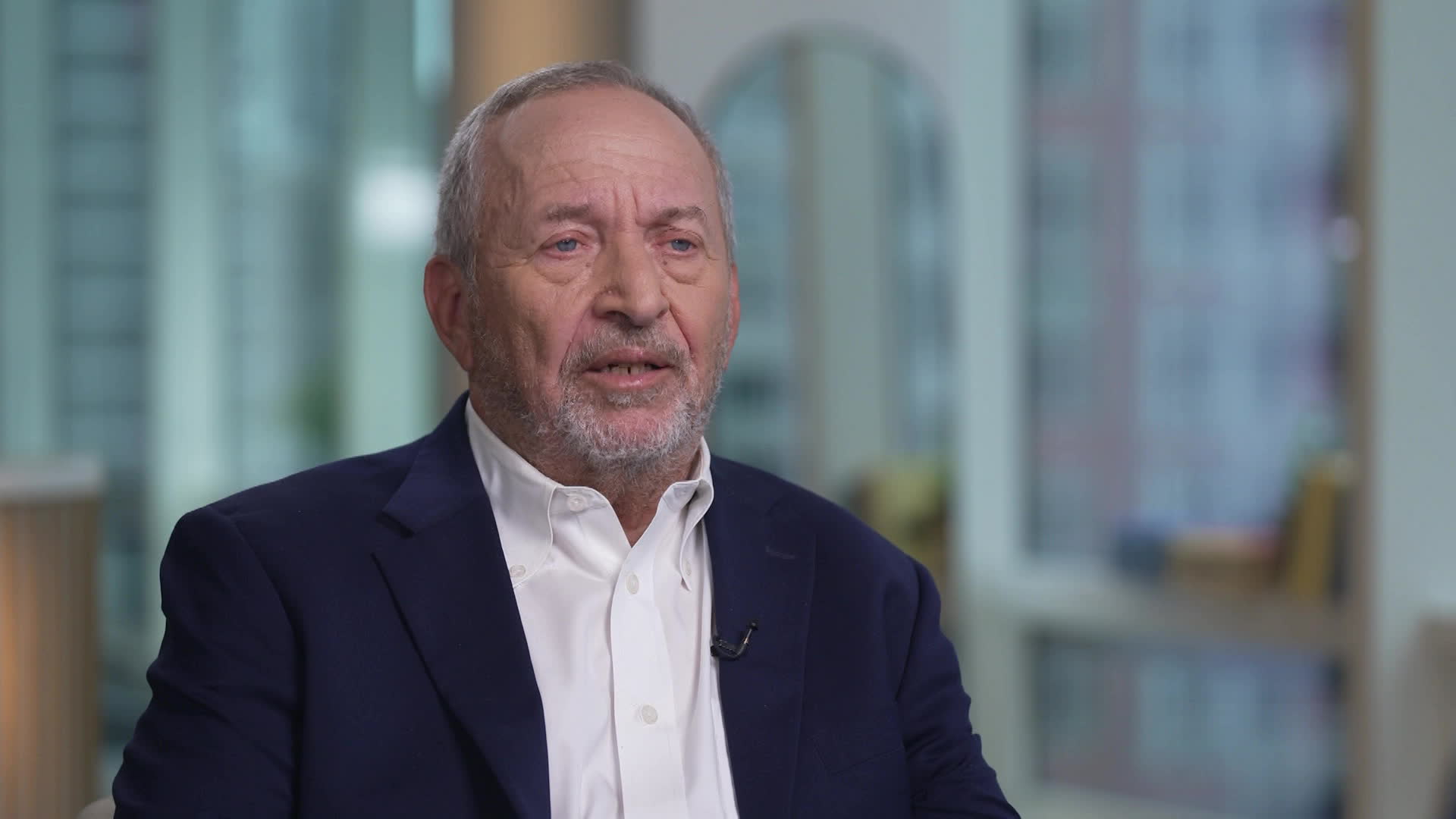
Wall Street Week recently covered a diverse range of topics, including economist Paul Krugman's assessment that a Mamdani mayoralty in NYC should not cause panic and his view that Trump's tariffs are shifting the US towards a Danish economic model. The program also explored Brazil's strategic moves to counter China's rare earth dominance, a critical supply chain issue, and debated the implications of dynamic pricing as both an innovation and potential exploitation.
The latest segments from Wall Street Week highlight a confluence of significant macroeconomic, geopolitical, and technological themes impacting investment landscapes. Economist Paul Krugman's commentary offers two key macro perspectives: first, that former President Trump's tariffs are structurally pushing the U.S. economy towards a model with higher taxes and services, akin to Denmark, implying long-term shifts in corporate cost structures and fiscal policy. Second, his view that a potential Mamdani mayoralty in New York City should not induce panic suggests that certain perceived political risks may be overpriced by the market. On the geopolitical and commodities front, Brazil's strategic initiative to challenge China's dominance in the rare earths market signals a potential realignment in critical mineral supply chains, a crucial development for technology, defense, and green energy sectors. Finally, the discussion on dynamic pricing as both 'innovation' and 'exploitation' underscores a key tension in the technology and consumer sectors, where revenue optimization strategies increasingly face the risk of regulatory scrutiny and public backlash. The overall neutral sentiment and moderate market impact score reflect a collection of disparate but important long-term trends rather than a single, acute market-moving event.
AI-powered research, real-time alerts, and portfolio analytics for institutional investors.
Overall Sentiment
mixed
Sentiment Score
0.00
