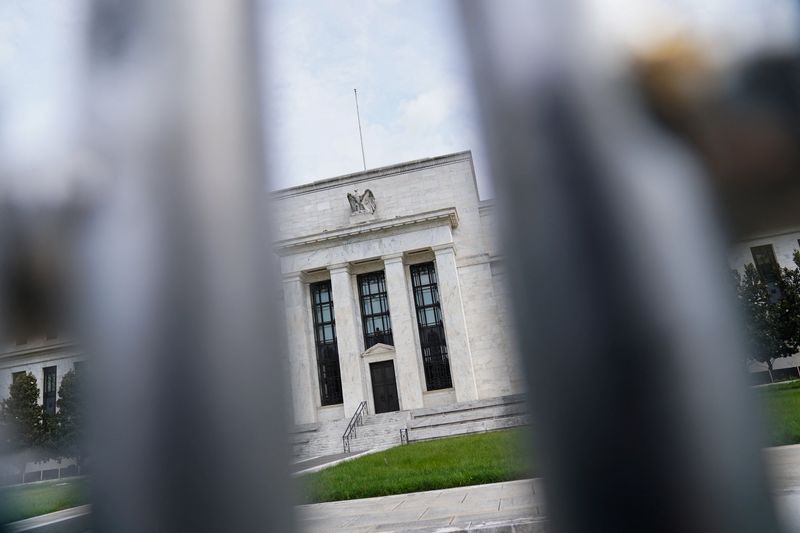
Boston Fed President Susan Collins said rates may need to rise if inflation pressures persist, with policy risk tied to how long the Middle East war lasts. She said the longer the conflict continues, the greater the risk of additional inflation pressure and negative spillovers through supply chains and energy shocks. Collins also indicated the Fed will likely need to keep the current slightly restrictive stance in place for some time.
The market implication is less about the next FOMC and more about the distribution of terminal-rate outcomes. A credible re-acceleration of inflation expectations would push the front end higher first, but the bigger second-order effect is multiple compression in long-duration equities and credit as the market reprices the probability of a prolonged restrictive regime rather than just one more hike.
Geopolitical supply disruption is most dangerous when it hits an economy that has already absorbed persistent price pressure: that combination raises the odds that the Fed treats any renewed goods/energy inflation as sticky rather than transitory. The most vulnerable exposures are companies with weak pricing power, high freight intensity, and refinancing needs over the next 6-12 months; they face a double hit from margin pressure and a higher discount rate.
Within the names referenced, the market is likely underappreciating the asymmetry between AI capex beneficiaries and AI advertisers. If rates stay elevated, compute demand is relatively insulated because it is tied to infrastructure buildout and model-training arms races, while ad-driven spending is more cyclical and sensitive to a pullback in business confidence. That makes the pair more compelling than outright beta, especially if bond yields keep grinding higher rather than spiking violently.
Contrarian angle: the hawkish rhetoric may already be priced at the margin, but what is not fully priced is duration. If conflict de-escalates quickly, inflation breakevens can fall fast, yet the Fed still likely stays restrictive because it will want proof that second-round effects are contained. That means the cleaner reversal trade is not a sharp risk rally, but a relative-value move favoring quality balance sheets and shorter-duration cash flows over long-duration growth.
AI-powered research, real-time alerts, and portfolio analytics for institutional investors.
Request DemoOverall Sentiment
mildly negative
Sentiment Score
-0.35
Ticker Sentiment
