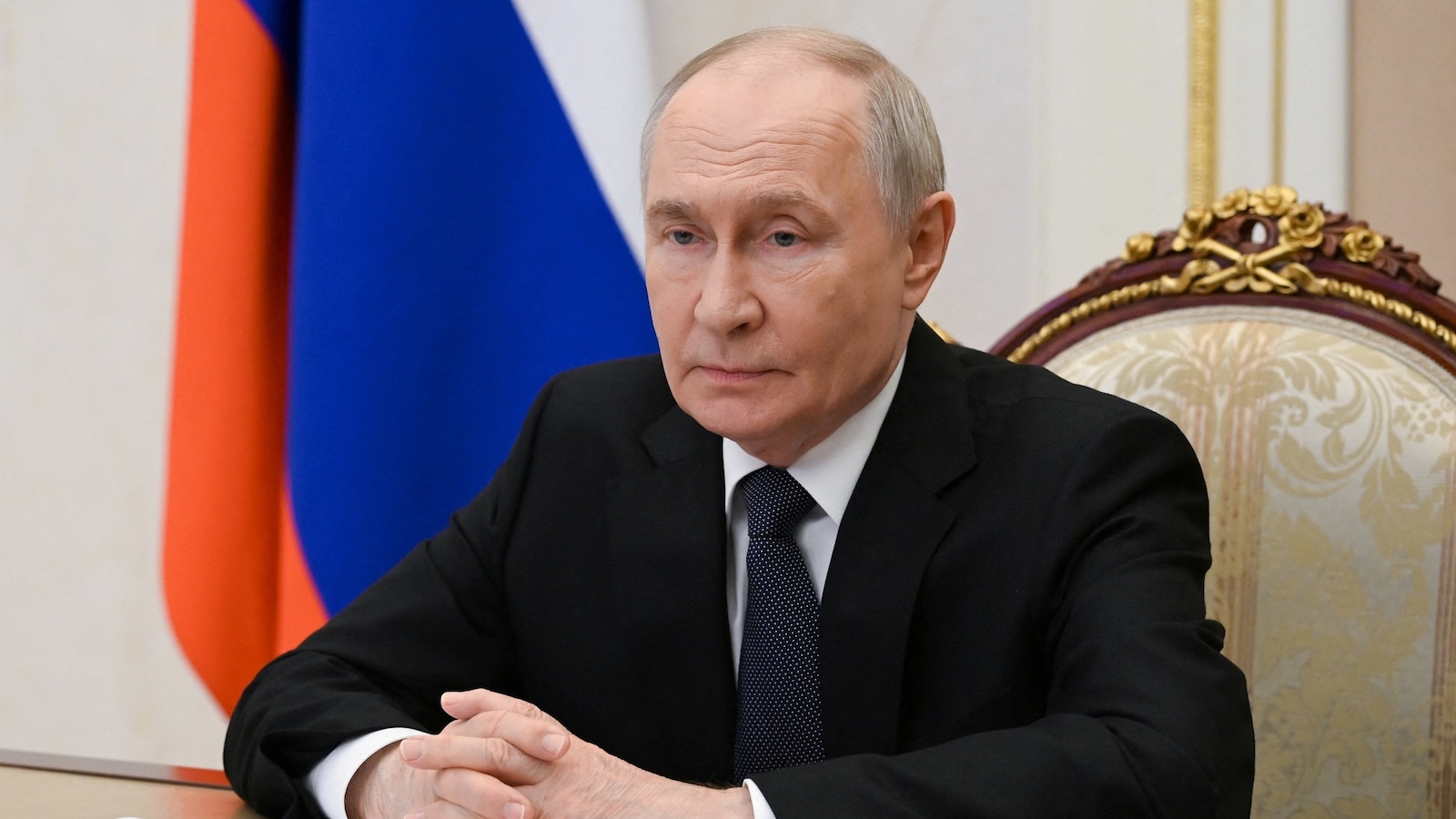
Russia said it intercepted at least 660 Ukrainian drones overnight across at least 12 regions, including Moscow and Russian-occupied Ukrainian territory, marking one of the largest attacks since the war began. The strike underscores continued escalation in the conflict and Kyiv's strategy of targeting infrastructure and energy-related assets deep inside Russia. The event is geopolitically significant and could briefly raise risk-off sentiment across European assets and energy markets.
The immediate market read is not “Ukraine escalation” so much as a renewed premium on Russian domestic vulnerability. Even if physical damage is limited, the signal to the energy complex is that long-range strike capacity is scaling faster than Russia’s ability to harden dispersed infrastructure, which raises the probability of intermittent refining outages, product logistics friction, and precautionary shutdowns over the next 2-6 weeks. The first-order winner is any non-Russian supply that can backfill gasoline/diesel tightness in Europe and the Atlantic basin; the second-order loser is Russian export reliability, especially in refined products where marginal disruptions tend to transmit faster than crude.
The more interesting setup is volatility rather than outright direction. If attacks keep forcing Russia to reroute air defenses and repair crews, the market can see a series of small, ugly supply shocks that are individually manageable but collectively support a higher floor in crack spreads and regional diesel differentials. That favors energy equities with downstream exposure and integrated balance sheets; it is less constructive for airlines, chemicals, and European industrials if product prices move before crude does. Expect the market to initially overfocus on headline geopolitics, but the real P&L impact likely shows up in refining margins and freight insurance, not spot Brent alone.
A key contrarian point: this may be underappreciated as a Russian earnings/tax issue rather than a pure supply issue. Repeated domestic infrastructure disruptions can force more state spending on defense and repairs while reducing the efficiency of Russia’s export machine, which tightens fiscal room even without a dramatic collapse in volumes. That means the medium-term risk is not one giant supply outage, but a slow degradation of Russia’s ability to monetize energy at scale, which is more bullish for non-Russian upstream and North American midstream than the market usually prices.
AI-powered research, real-time alerts, and portfolio analytics for institutional investors.
Request DemoOverall Sentiment
moderately negative
Sentiment Score
-0.35
