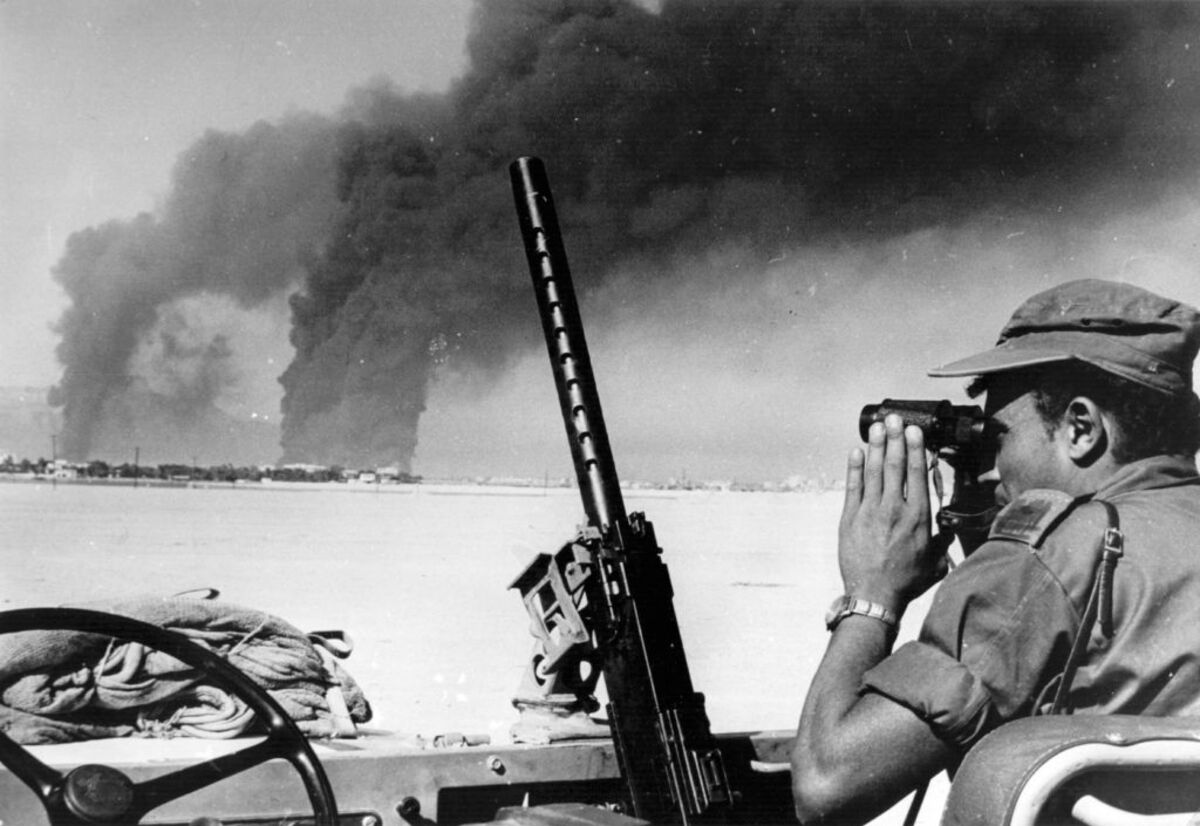
The article warns that the Strait of Hormuz could remain disrupted for an extended period, drawing a historical parallel to the Suez Canal’s 8-year closure after 1967. A prolonged blockage of this oil-and-gas chokepoint would be highly disruptive for global energy flows, shipping, and commodity prices. The piece is speculative rather than a base-case forecast, but it highlights a major geopolitical tail risk with broad market implications.
The market is likely underpricing the difference between a brief supply scare and a true maritime choke-point regime. If transits stay impaired for months rather than days, the second-order effect is not just higher crude and LNG prices; it is a re-pricing of delivered energy risk across Asia and Europe, with refiners, utilities, and chemical producers forced to carry more inventory and pay up for alternative routes. The biggest hidden winner is not the commodity itself, but firms with optionality in non-Gulf supply chains and hard assets that can capture bottleneck rents.
The more important mechanical risk is that prolonged closure would turn insurance, freight, and financing into binding constraints before physical barrels fully disappear. That means spreads can move much faster than outright prices: prompt Brent, Dubai crack spreads, LNG spot, and tanker rates can gap in days, while downstream margin destruction shows up over 1-2 quarters. If rerouting around the Cape becomes the default, voyage times extend materially, effectively removing a meaningful slice of global tanker capacity and creating a self-reinforcing squeeze.
Consensus likely assumes a fast diplomatic resolution because outright loss of flow would be economically self-defeating for all parties. The underappreciated counterpoint is that even a low-probability, long-duration shutdown can persist if each side believes time is its leverage, especially once logistics, insurance, and port scheduling are disrupted. In that scenario, the market’s first move may be right on direction but still wrong on magnitude; energy equities with upstream exposure may lag the commodity if investors fear demand destruction and policy intervention, while defense, shipping, and infrastructure names benefit from capex repricing rather than headline oil beta.
AI-powered research, real-time alerts, and portfolio analytics for institutional investors.
Request DemoOverall Sentiment
mildly negative
Sentiment Score
-0.35
