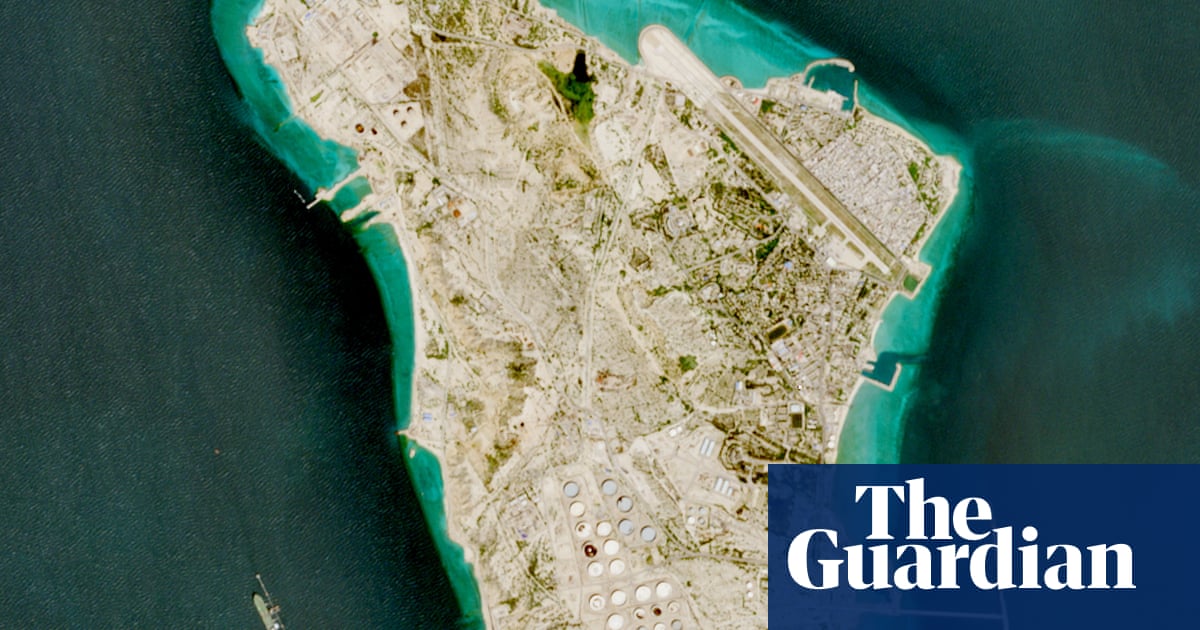
Brent crude rose 1.8% to $104.98/bbl after US strikes on Iran's Kharg Island and closure of the Strait of Hormuz raised supply fears. Kharg handles roughly 90% of Iran's oil exports and the strait transits about 20% of global oil, while US average fuel reached $3.70/gal, up $0.62 vs a month ago. Trump's call for allies to reopen the strait has drawn muted responses, heightening the risk of sustained energy-market volatility and broader market stress.
The market is pricing a premium for sea-borne Persian Gulf barrels that is distinct from headline oil prices; that premium flows to tanker owners, physical traders with floating storage capacity, and location-sensitive refiners more than it does to barrel-producing majors. Expect freight rates and war-risk insurance to spike in days, creating a widening front-month physical/back-month paper spread that incentivizes floating storage and front-month arbitrage by large traders.
Transmission to the real economy will be uneven: shipping and bunker-cost passes through quickly to Asian refiners and trucking markets in weeks, while strategic responses (SPR releases, diplomatic naval escorts, pipeline re-routing) operate on a 4–12 week cadence and can materially cut realized tightness if executed credibly. Over 6–24 months higher risk premia will accelerate defense procurement (mine-countermeasure drones, escort capabilities) and push some buyers toward longer-term supply diversification deals with non-Gulf producers.
Key reversals and tail risks are asymmetric. A rapid coordinated naval escort reopening Hormuz or a large SPR release would collapse the premium within days and hit tanker equities and storage plays hardest; conversely, escalation to strikes on export infrastructure beyond Kharg or broader Gulf coalition action would keep the premium elevated for quarters and force demand destruction in gasoline/diesel markets. Watch freight (VLCC) time-charter indices, front-month/back-month Brent spreads, insured war-risk premiums and tanker idle tonnage as leading indicators that either validate or invalidate the current risk premium.
AI-powered research, real-time alerts, and portfolio analytics for institutional investors.
Request DemoOverall Sentiment
strongly negative
Sentiment Score
-0.62
