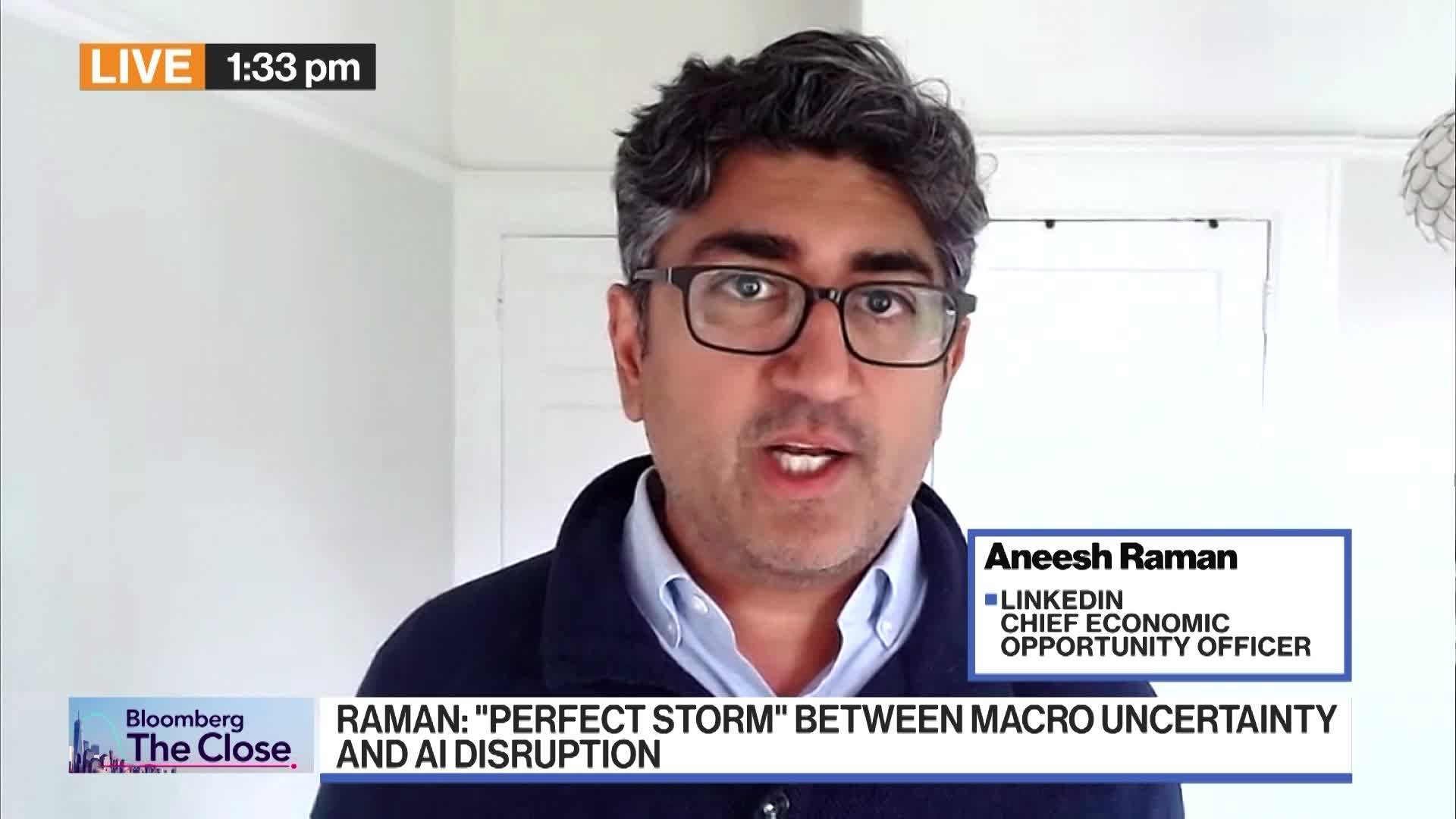
A recent Bloomberg Markets report indicates that CFO turnover reached a record high in the first quarter, suggesting potential instability or strategic shifts within corporate finance leadership across various sectors. This trend warrants attention from investors as CFO departures can signal underlying issues or changes in a company's financial direction.
The first quarter registered a record level of Chief Financial Officer (CFO) turnover, a development indicating potential widespread instability or significant strategic reassessments within corporate finance departments. This heightened rate of CFO departures across various sectors warrants close attention, as such changes in key leadership can often precede shifts in a company's financial strategy, signal underlying operational challenges, or reflect evolving governance landscapes. The market impact score of 0.55, coupled with a mixed sentiment, suggests that while not overtly directional, this trend introduces a notable element of uncertainty and could influence company fundamentals and investor perceptions.
AI-powered research, real-time alerts, and portfolio analytics for institutional investors.
Request DemoOverall Sentiment
mixed
Sentiment Score
-0.10
Ticker Sentiment
