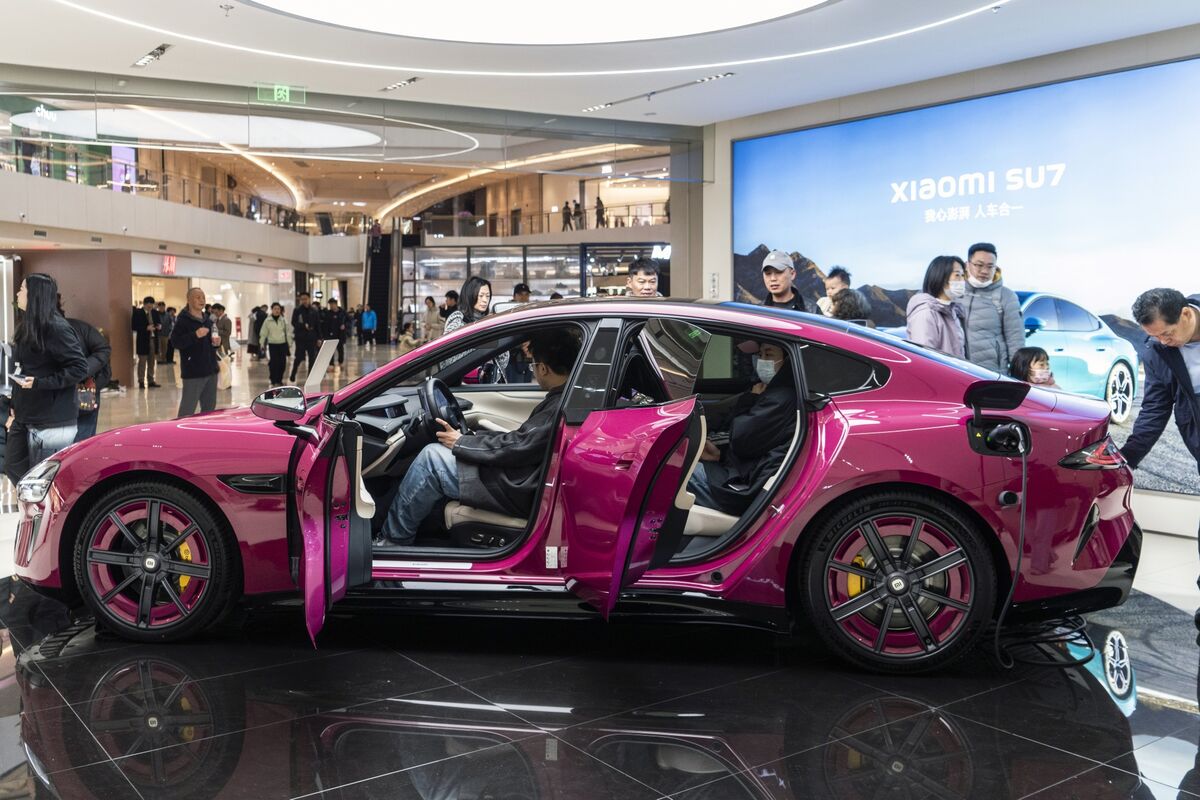
Xiaomi Corp. is deploying an over-the-air software fix to address a critical issue with the advanced driver assistance system (ADAS) in approximately 116,800 standard versions of its SU7 electric sedans, representing nearly 40% of units sold. The recall, prompted by the State Administration for Market Regulation, targets vehicles produced between February 6 and August 30, 2024, due to the ADAS potentially failing to adequately detect and warn of critical scenarios, thereby increasing collision risk if drivers do not intervene.
Xiaomi Corp. is executing a significant recall for its SU7 electric sedan, affecting nearly 40% of units sold, or approximately 116,800 vehicles produced between early February and late August 2024. The recall, mandated by China's State Administration for Market Regulation, addresses a critical flaw in the advanced driver assistance system (ADAS) that may fail to adequately detect and warn of hazards, thereby increasing collision risk. While the recall represents a notable operational and reputational challenge for Xiaomi's new and highly-watched EV division, the resolution via an over-the-air (OTA) software fix is a crucial mitigating factor. This approach avoids the substantial logistical and financial costs associated with a physical recall, demonstrating a key capability of modern software-defined vehicles. However, the issue's emergence so early in the SU7's lifecycle and the formal regulatory intervention could impact consumer confidence and brand perception in the fiercely competitive Chinese EV market.
AI-powered research, real-time alerts, and portfolio analytics for institutional investors.
Request DemoOverall Sentiment
moderately negative
Sentiment Score
-0.60
