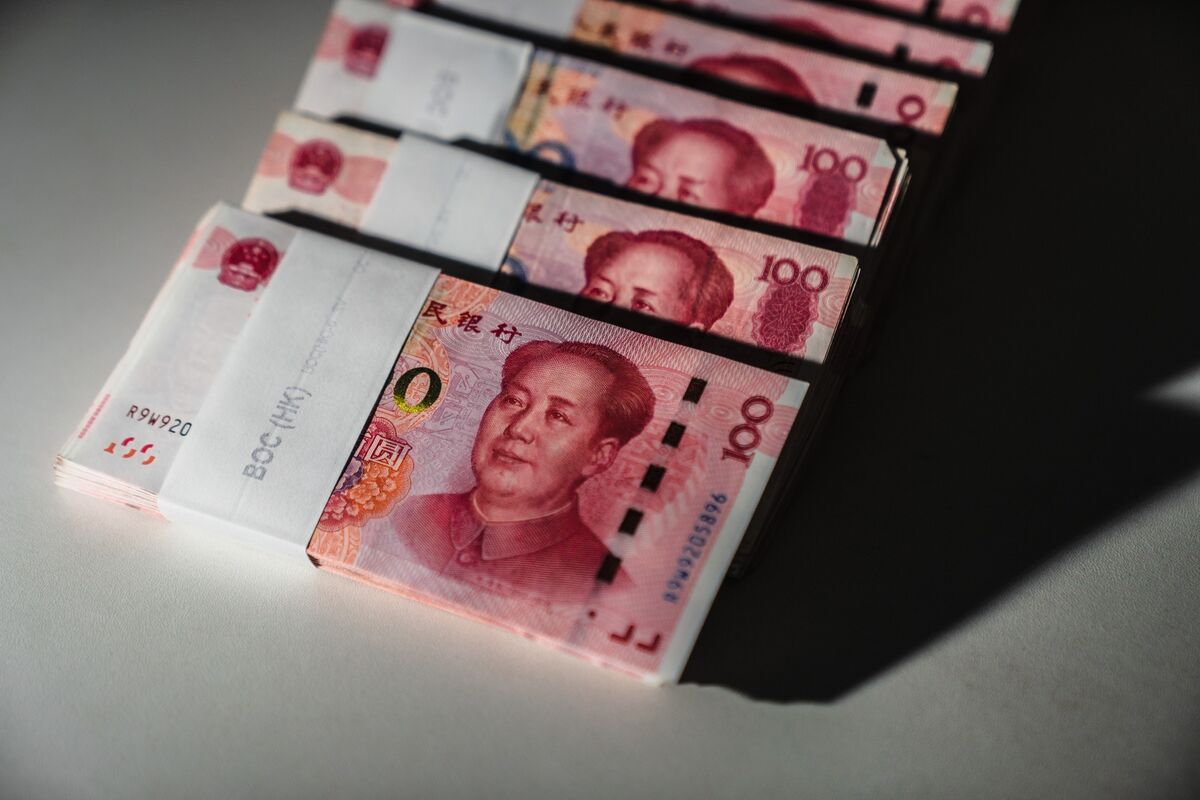
The People's Bank of China has increased the minimum ratio of yuan-denominated trade transactions for major lenders from 25% to 40% as part of its Macro Prudential Assessment. This move, while not mandatory, incentivizes banks to increase their use of the yuan in cross-border trade, as failure to meet the ratio can negatively impact their regulatory review scores and future business expansion amid ongoing trade tensions with the US.
The People's Bank of China (PBOC) has directed major domestic lenders to significantly increase the proportion of yuan utilized in facilitating cross-border trade, raising the floor ratio for yuan-denominated transactions from 25% to 40%. This adjustment, integrated into the PBOC's Macro Prudential Assessment framework, creates a strong incentive for compliance, as banks failing to meet this new target may face lower scores in regulatory reviews, potentially hindering their future business expansion. The policy signals a reinforced strategic push by Chinese authorities to promote the international use of the yuan, particularly against a backdrop of ongoing global trade tensions and US tariff measures. While the directive is not strictly mandatory, the potential repercussions for non-compliant banks suggest a firm commitment to this objective, which could gradually increase the yuan's footprint in international trade settlements and influence currency dynamics for entities engaged in trade with China. The market's mildly positive sentiment and moderate impact score suggest this is viewed as an incremental but noteworthy step in China's broader currency and trade strategy.
AI-powered research, real-time alerts, and portfolio analytics for institutional investors.
Request DemoOverall Sentiment
mildly positive
Sentiment Score
0.15
