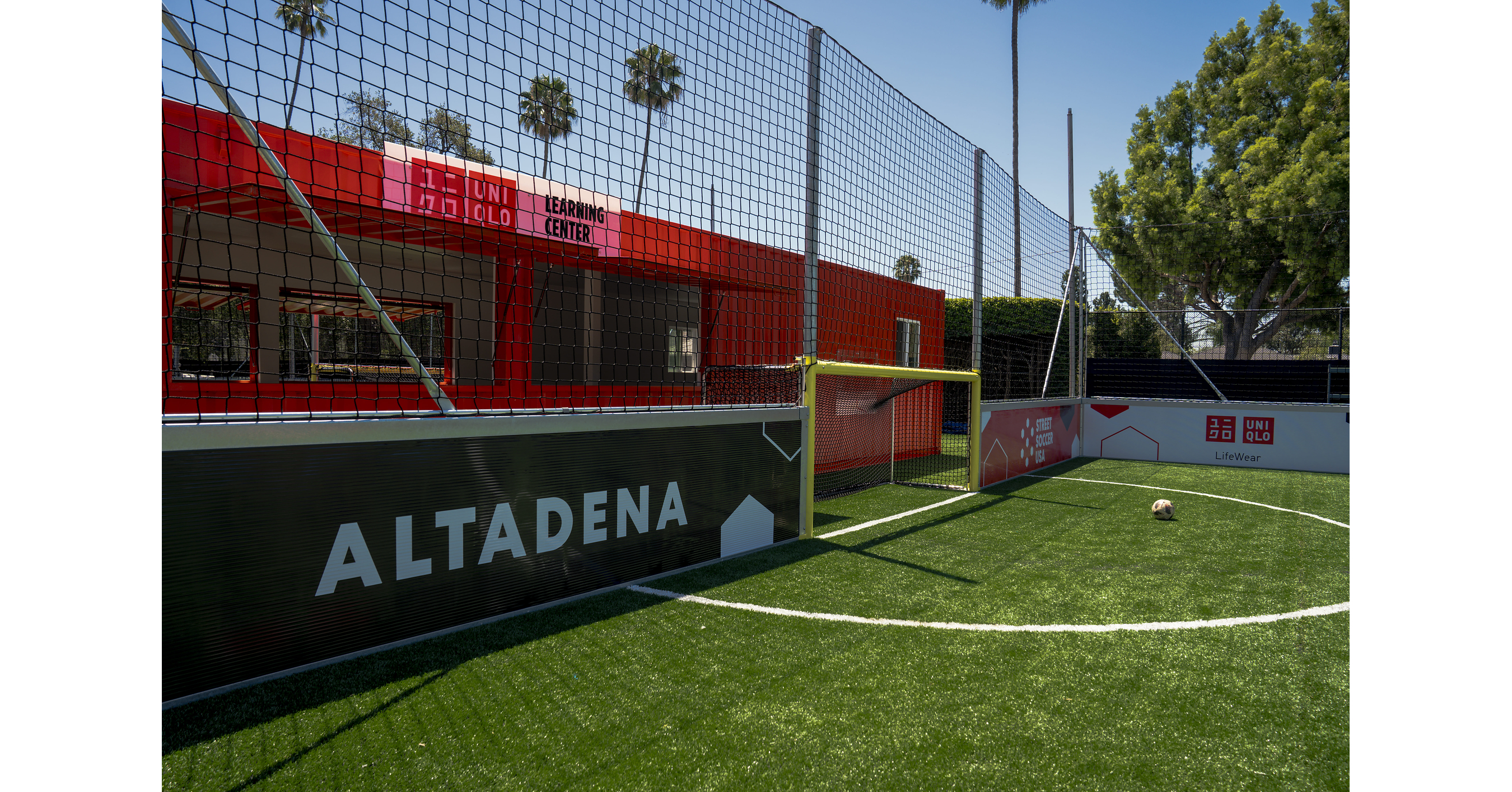
UNIQLO and Street Soccer USA opened the UNIQLO Street Soccer Park & Learning Center in Altadena on July 9, a permanent hub providing free year-round soccer and mentorship plus homework and financial/digital literacy support for youth. The program targets reaching 1,000 young people in its first year and is supported by Fast Retailing/UNIQLO’s January 2025 pledge of up to $2 million in funds and clothing for Los Angeles wildfire-affected communities.
This is a brand-equity event, not an earnings event. For FRCOY, the only economically relevant upside is a modest improvement in local affinity, employee goodwill, and landlord/community relationships in a key U.S. market; that can help conversion at the margin, but it is unlikely to move near-term sales or operating income. The incremental spend is too small to matter financially, so any stock reaction should be treated as sentiment-driven unless it is followed by harder evidence of U.S. traffic or store productivity improvement.
Second-order, the real competitive benefit is defensive: a visible commitment to a fire-affected community can deepen loyalty among family shoppers and make it easier to recruit/retain staff in Southern California. That said, this does not create a meaningful moat versus other apparel names, and it has essentially no direct read-through to distressed discretionary retailers like PLCE, where the binding constraint remains demand elasticity, not CSR positioning. Over 1-3 months, the only catalyst is whether management uses this as a platform for broader U.S. localization; over 6-18 months, the thesis only matters if it correlates with sustained North America comp growth.
Contrarian view: the market may overrate ESG optics here. Most such initiatives are cheap relative to brand budgets and rarely translate into measurable LTV uplift, so the default assumption should be zero to low ROI until proven otherwise. The thesis is falsified if the next two earnings cycles show no improvement in U.S. sell-through, same-store trends, or margin discipline, despite the publicity.
AI-powered research, real-time alerts, and portfolio analytics for institutional investors.
Overall Sentiment
mildly positive
Sentiment Score
0.12
Ticker Sentiment
