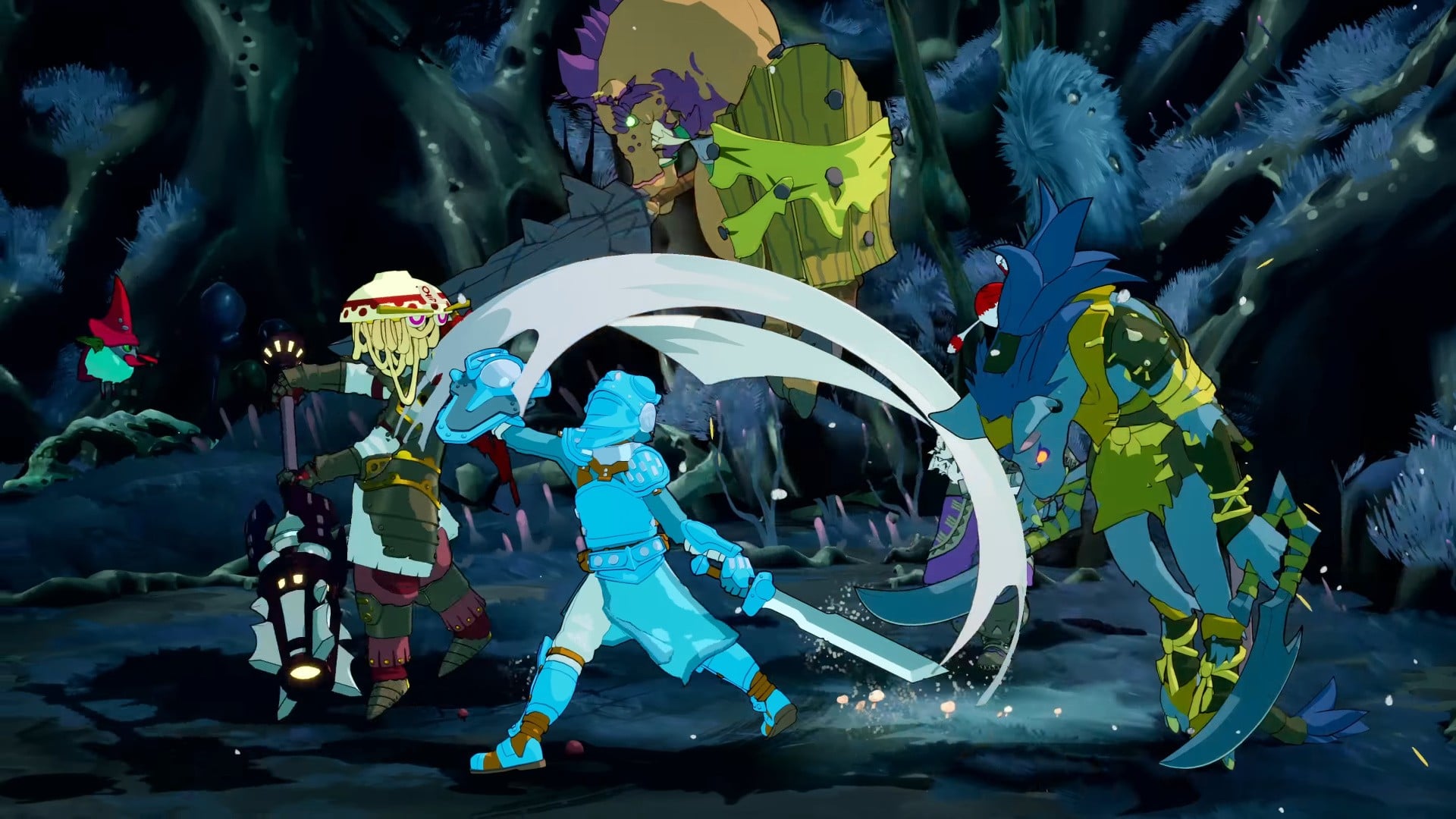
Stoic’s side-scrolling action RPG Towerborne is exiting early access and Xbox Game Preview and launching as a rebuilt 1.0 paid title on February 26, 2026, across Xbox, PC (Steam), and PlayStation 5; the studio has shifted from a planned free-to-play model to a $24.99 buy-once offline game with online co-op and a Deluxe Edition offering additional cosmetics and crafting materials. The release includes significant content and systems overhauls (completed story campaign, new bosses, difficulty rebalances, new gear/Forge, cosmetics, multiple save slots) and will be available day-one on Xbox Game Pass for Ultimate, Premium and PC tiers — a distribution decision that will affect near-term monetization and user acquisition dynamics but is unlikely to move public markets materially.
Market structure: The Towerborne pivot from free-to-play to paid buy-once, plus inclusion on Xbox Game Pass (Ultimate/Premium/PC), benefits platform licensors (Microsoft/MSFT) and discoverability for indie studios while reducing addressable in‑game transaction pools that fuel mobile F2P monetization. Winners: platform owners (MSFT, SONY) and quality-first indie devs; losers: mid-tier F2P specialists and ad/recurring-revenue service vendors if this becomes a trend. Cross-asset impact is marginal but asymmetric: small positive skew for MSFT equity and call implied vols compressing near-term; negligible effect on FX/commodities and minimal credit/repricing in bonds.
Risk assessment: Tail risks include regulatory scrutiny of subscription bundling (anti-competition) or an earnings miss from platform owners if Game Pass conversion doesn’t justify content costs; probability low but impact material to MSFT near-term. Time horizons: immediate (days) — negligible pricing move; short-term (weeks/months) — user engagement and Q/Q subscriber data matter; long-term (quarters) — monetization model shifts could alter developer economics. Hidden dependencies: platform revenue recognition, revenue-sharing terms with indies, and user retention elasticity to new premium indie content.
trade implications: Small, tactical longs in platform owners (MSFT, SONY) to capture OEM/distribution upside; small short exposure to mobile/F2P‑centric midcaps (e.g., ZNGA) that rely on lifetime monetization. Use options to express asymmetric upside (buy 3–6 month 5–10% OTM call spreads on MSFT sized 0.5–1% portfolio) while selling premium on highly volatile, F2P-exposed names. Sector rotation: trim pure-play ad/engagement mobile exposure, redeploy into platform/AAA/indie discovery plays over next 3–12 months.
AI-powered research, real-time alerts, and portfolio analytics for institutional investors.
Request TrialOverall Sentiment
mildly positive
Sentiment Score
0.28
contrarian angles: Consensus underestimates scale: if even 5–10% of mid-tier indies follow buy-once + Game Pass, lifetime MTX revenue pools could compress 1–3% industrywide over 12–24 months, pressuring Unity/U service growth. Reaction is likely underdone — market will only price this if multiple high-profile indies convert models or Game Pass subscriber growth accelerates >2% QoQ. Historical parallel: wave from boxed PC to F2P created new winners/losers; reverse shifts are gradual and create multi-quarter alpha for disciplined, small-sized positions.
