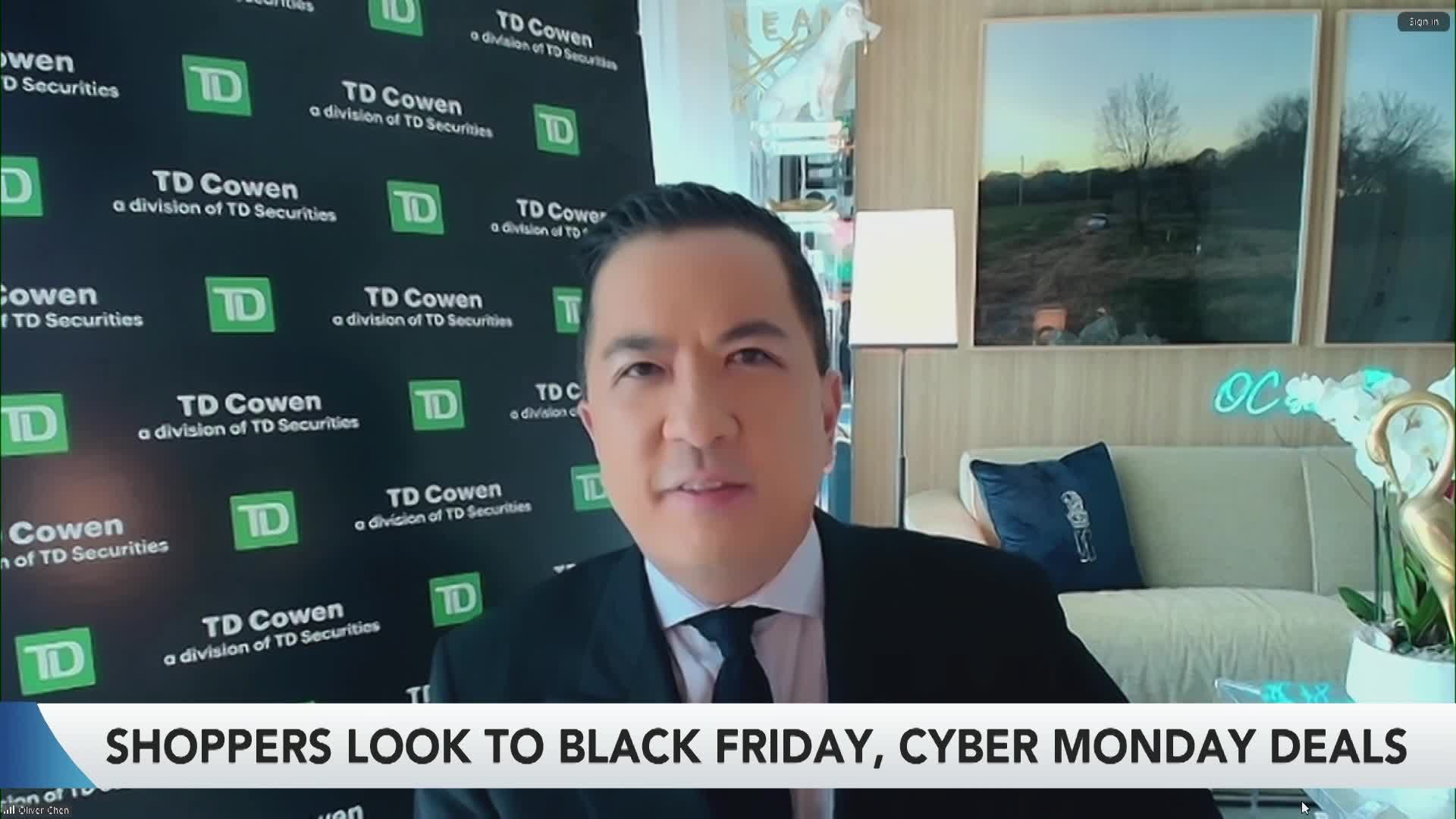
Levi's is focusing on direct-to-consumer expansion and classic denim product execution as consumers seek value; overall retail units are expected to be flat while pricing/inflation could run ~2–3%. Luxury is bifurcating with jewelry (high-single-digit growth) and quiet luxury outperforming harder-hit handbags, and selective M&A is likely in beauty and niche luxury. Payments and fulfillment trends — BNPL, mobile-as-the-new-mall, buy-online-pickup-in-store and curbside — remain important for holiday acquisition. Analyst preference highlighted Walmart (PE cited ~43) on a mix of defensive grocery exposure (≈60% revenue), a growing digital advertising business (~$5bn) and an AI/delivery/micro-fulfillment offensive.
Market structure: Winners are platform-owners with grocery+marketplace+ad stacks (WMT, AMZN, GOOGL) and premium/luxury jewelry (Richemont/Cartier analogs) where pricing power and scarcity persist; losers are promotional mid‑tier apparel and handbag players under margin pressure. Consumer spend is tracking +2–3% (units flat, pricing = 2–3% inflation), which favors low‑cost/high‑scale operators and DTC brands with inventory discipline. Platforms gain pricing power via marketplace take‑rates and first‑party ad monetization; this compresses margins for traditional multi‑brand retailers and third‑party sellers.
Risk assessment: Tail risks include BNPL regulation hitting AFRM within 3–9 months, antitrust/digital‑ad regulation for WMT/GOOGL over 6–24 months, and a macro downside shock that knocks consumer growth below 0% in 2–4 quarters. Immediate catalysts: Black Friday/Dec sales reports (days–weeks) and CPI prints (monthly); medium term: Q4 earnings (6–8 weeks) and holiday cadence. Hidden dependency: Walmart’s upside is contingent on ad RPM and marketplace take‑rate expansion—not merely same‑store sales.
Trade implications: Tactical long in WMT to capture ad+marketplace optionality and defensive grocery cash flows; paired longs in GOOGL/AMZN to express ad/fulfillment secular gains while hedging cyclicality with a short retail ETF. Use concentrated option structures: 3–6 month call spreads on GOOGL, covered calls or put spreads on WMT to lower basis. Reallocate from mall‑based discretionary names into platform/AI/ad exposure over 30 days, rebalancing after Q4 prints.
Contrarian angles: Consensus underestimates regulatory drag timing — ad monetization can re-rate markets quickly but is vulnerable to policy; BNPL is priced for growth despite material regulatory tail risk. Reaction is likely underdone for WMT’s durable grocery moat (market may underpay ad upside) and overdone for mid‑tier retailers’ recovery; history (post‑2008 retail bifurcation) suggests winners take share quickly, so front‑run with measured position sizing.
AI-powered research, real-time alerts, and portfolio analytics for institutional investors.
Request DemoOverall Sentiment
mildly positive
Sentiment Score
0.27
Ticker Sentiment
