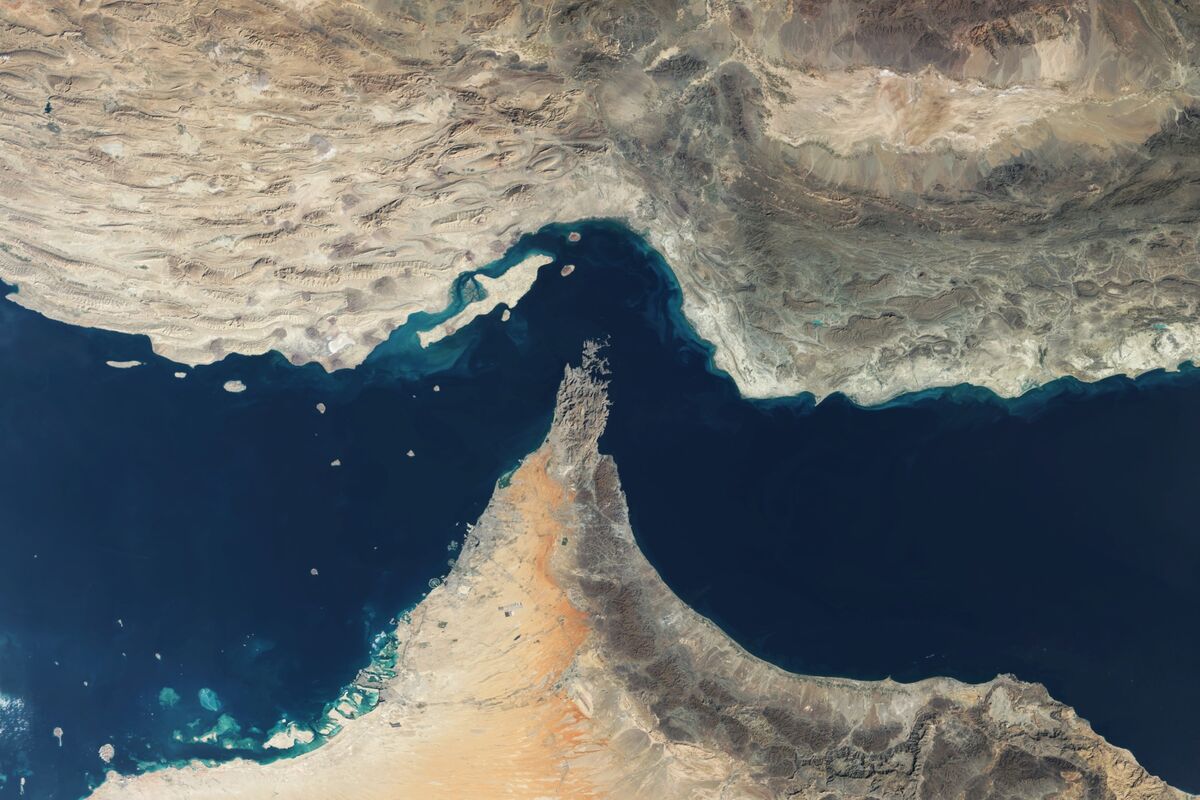
Key event: Iran is refusing to discuss reopening the Strait of Hormuz while under attack amid a US‑Israeli campaign, following strikes on energy infrastructure and the killing of security chief Ali Larijani. The escalation is delaying efforts to resume commercial transits through the Strait, increasing the risk of shipping disruptions and upward pressure on oil prices and freight/insurance costs. For portfolios, monitor oil benchmarks, tanker freight/insurance spreads, and energy/transportation sector exposures and consider hedges for potential short‑term supply shocks.
The immediate market lever is shipping friction rather than a pure oil supply shock: rerouting around Africa increases voyage distance by ~20–30% for Persian Gulf→Asia/Europe flows, effectively reducing seaborne throughput for the same fleet by roughly 10–15% while war-risk premiums spike. That math favors modern crude tanker owners and time-charter revenues (VLCC/Suezmax players), and mechanically widens Brent backwardation and middle-distillate cracks as floating inventory turns into working inventory.
Counterparties that suffer include short-cycle product importers and container lines exposed to tight feeder capacity and longer loop times; logisticians face higher working capital and slot risk (days-to-weeks of congestion premium). Insurers and P&I clubs will reprice risk monthly, creating a serial revenue opportunity for reinsurers but also a volatile earnings swing if losses escalate.
Tail risks live on a knife-edge: a single high-profile tanker loss or credible interdiction could trigger a multi-week insurance stop-loss and a >100% spike in spot tanker rates; conversely, a formal maritime protection corridor (coalition convoy or negotiated reopening) can compress rates within 2–6 weeks. Monitor naval announcements, war-risk premium notices and chartering desks’ forward fixture books as primary catalysts.
Consensus is anchoring to a permanent blockage; that’s overdone if Iran’s calculus shifts toward revenue preservation or if coalition naval cover is implemented. Use asymmetric, time-boxed exposures (options or short-dated charters/equities) and keep position sizes small until insurance market dynamics crystallize.
AI-powered research, real-time alerts, and portfolio analytics for institutional investors.
Request DemoOverall Sentiment
strongly negative
Sentiment Score
-0.62
