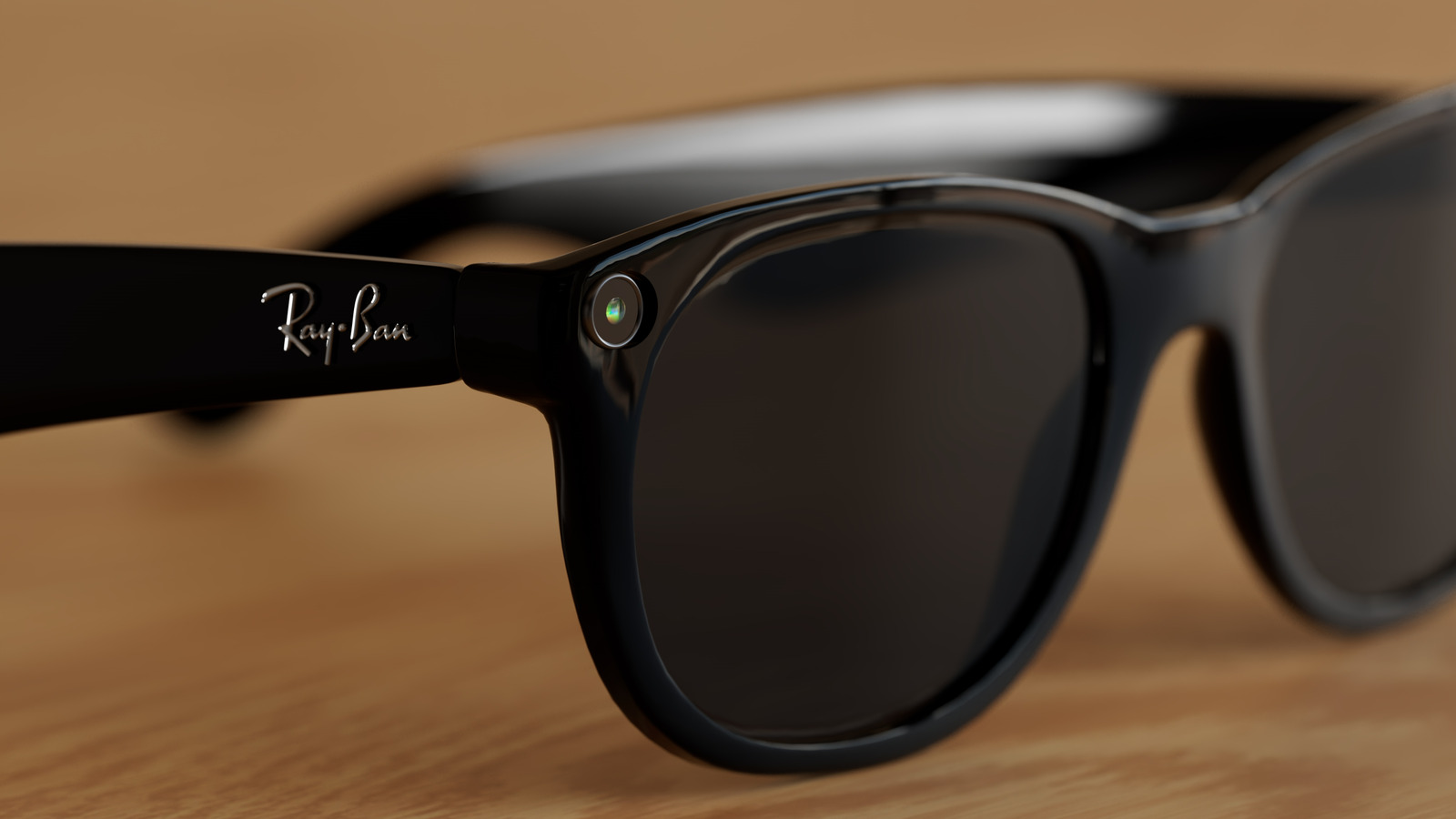
Apple is expected to launch its first smart glasses, code-named N50, later this year, with tighter iPhone integration, higher-end acetate materials, in-house chips, and a new Siri assistant as the key differentiators versus Meta's Ray-Ban glasses. The article frames the product as an incremental but potentially important new category for Apple, while noting true AR glasses are still years away, likely around 2030. Market impact should be limited in the near term, but the launch would reinforce Apple's ecosystem strategy and product pipeline.
A credible glasses launch is incrementally positive for AAPL because the market is still underestimating how quickly Apple can turn a niche wearable into an ecosystem attach rate story. The first-order hardware margin may be modest, but the second-order effect is higher iPhone stickiness, faster accessory monetization, and a new upgrade cycle for AirPods/Watch users who want hands-free AI and notification plumbing. That matters because wearable adoption tends to compound through installed-base convenience rather than standalone product appeal, which is exactly where Apple has its strongest moat.
For META, the threat is less about immediate share loss and more about narrative pressure on the company’s AI glasses lead. Apple entering the category validates smart glasses as a consumer format, but if Apple ships a more seamless iPhone-tethered product, Meta’s standalone positioning may look less differentiated to mainstream buyers. The bigger loser could be a basket of small consumer hardware suppliers and Android-adjacent accessory ecosystems that lack cross-device integration; Apple’s ecosystem pull historically compresses third-party attach opportunities once it decides a category is strategic.
The key risk is timing: this is a 6-18 month catalyst path, not a near-term earnings driver. If Siri quality slips or the product launches as a compromised accessory rather than a must-have interface, the bullish read on AAPL fades quickly and the stock may have already priced in the optionality. Conversely, the upside surprise is less about unit volume than about Apple proving it can make AI-native hardware feel native to daily life, which would re-rate the wearable stack and potentially pull forward a much larger category launch cycle into 2027-2030.
Contrarian view: consensus may be overestimating how much consumers care about glasses-specific features versus battery, privacy, and social acceptability. If the first version is mostly a camera/audio peripheral, adoption could stay limited to early adopters and leave META’s more AI-forward framing intact. That creates a setup where AAPL can outperform on announcement enthusiasm, but the follow-through depends on real usage metrics rather than product reveal optics.
AI-powered research, real-time alerts, and portfolio analytics for institutional investors.
Request TrialOverall Sentiment
mildly positive
Sentiment Score
0.15
Ticker Sentiment
