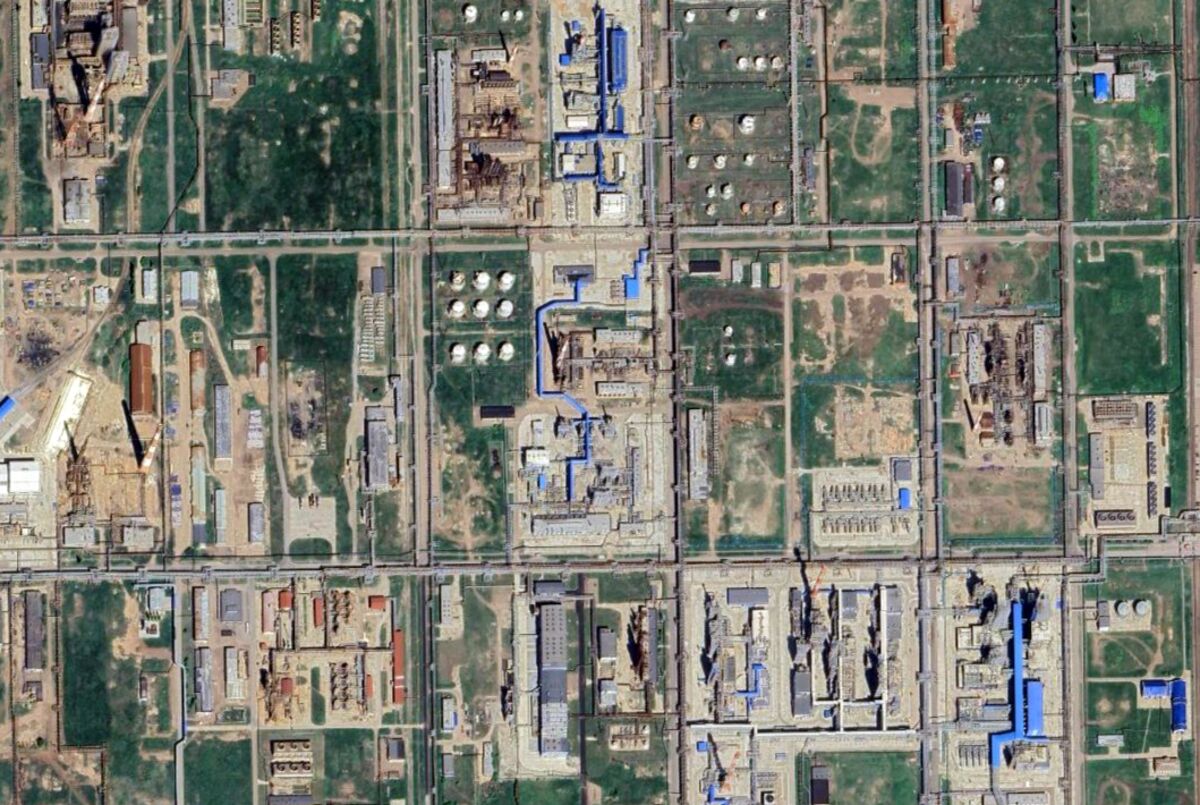
A drone attack caused a fire at Gazprom PJSC’s Neftekhim Salavat petrochemical plant in Russia’s Bashkortostan region, marking the second such incident at the facility within a week. Local authorities are assessing the damage and working to extinguish the fire, though specific affected units have not been disclosed. This repeated targeting underscores increasing operational risks to Russian energy infrastructure, potentially impacting production capabilities.
A drone attack has caused a fire at Gazprom PJSC’s Neftekhim Salavat petrochemical facility, marking a significant escalation as it is the second such assault on the plant in less than a week. The repeated targeting of this specific asset in Russia's Bashkortostan region underscores a persistent and growing operational risk to the country's critical energy infrastructure. While local authorities are currently assessing the extent of the damage and have not specified which production units were impacted, the event highlights the vulnerability of key industrial facilities deep within Russian territory. This uncertainty surrounding the plant's operational status introduces potential volatility for related commodity markets, as any significant, prolonged disruption could affect the regional and potentially global supply of specific petrochemicals and refined products.
AI-powered research, real-time alerts, and portfolio analytics for institutional investors.
Request DemoOverall Sentiment
strongly negative
Sentiment Score
-0.60
