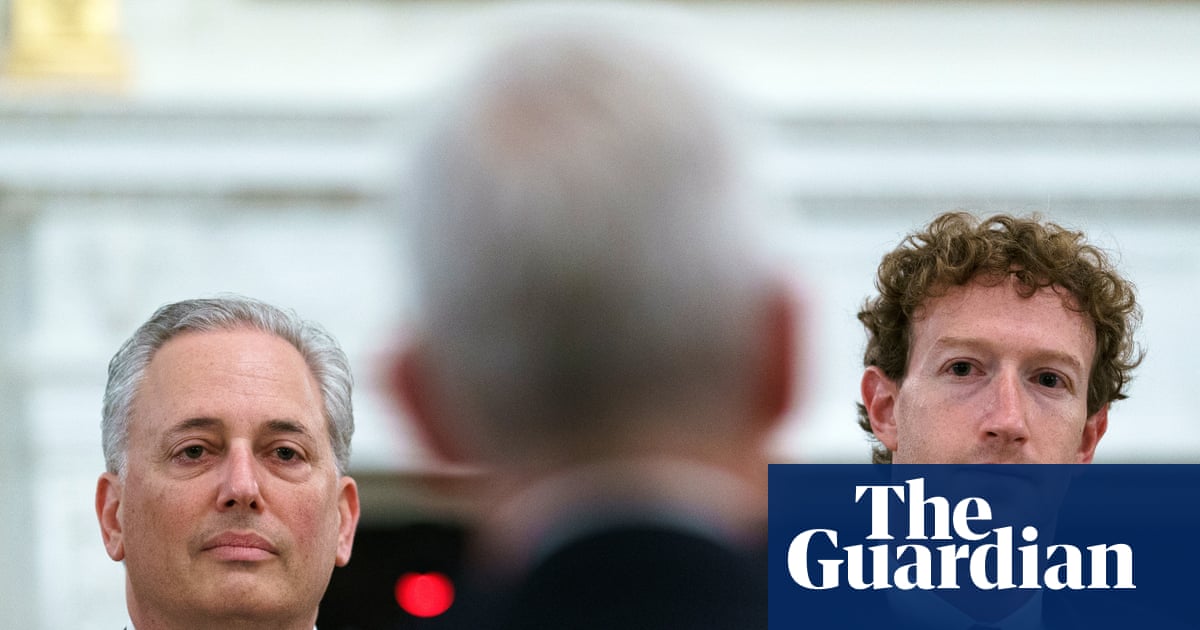
Trump backed out of a planned executive order that would have created a voluntary government safety review for new AI models, leaving the US on a lighter-touch regulatory path. The article says tech leaders including Elon Musk, Mark Zuckerberg and David Sacks lobbied against the order, while White House concerns had been sparked by cybersecurity risks from Anthropic’s Claude Mythos. The decision reduces near-term regulatory pressure on AI firms and reinforces a permissive stance despite growing security and competition concerns.
The immediate market read-through is that the policy overhang on frontier-model deployment just got pushed out, which reduces near-term compliance drag for the largest cloud/platform vendors and preserves capex-to-revenue conversion on the current AI buildout cycle. That is incrementally positive for MSFT and GOOGL because both monetize AI through distribution, inference, and enterprise workflow integration rather than through a pure frontier-model licensing model, so the upside from faster rollout is more visible than the cost of absent oversight.
The second-order effect is that regulatory risk is not eliminated, it is politicized. A voluntary-review regime is a weaker moat than a safety gate, which advantages incumbents with legal, policy, and compute advantages and hurts smaller labs that might have used regulation as a barrier to entry. In practice, this can accelerate concentration: the firms most capable of absorbing reputational risk and lobbying spend become even more likely to shape the standard, while open-source and mid-tier model developers remain exposed to the next “surprise” capability event.
The real tail risk is an eventual cybersecurity or dual-use incident that forces a harder response after the market has already re-rated the sector for zero-friction growth. That creates a skewed setup: over the next 1-3 months the signal is bullish for AI platform names, but over 6-18 months the probability of a sharp policy swing rises if a high-profile breach, election-related abuse, or infrastructure targeting is attributed to advanced models. Consensus is likely underpricing how quickly a single incident can convert “hands-off” rhetoric into emergency restrictions.
Contrarian view: the decision is not purely supportive for the megacaps because it lowers the odds of a broad, industry-wide certification framework that would have entrenched the very largest players. The absence of rules can actually extend the burn on AI skepticism if customers, regulators, or insurers begin treating frontier deployments as latent liability. That argues for favoring the biggest, most diversified distribution platforms over pure-play AI names with more concentrated regulatory beta.
AI-powered research, real-time alerts, and portfolio analytics for institutional investors.
Request DemoOverall Sentiment
neutral
Sentiment Score
-0.10
Ticker Sentiment
