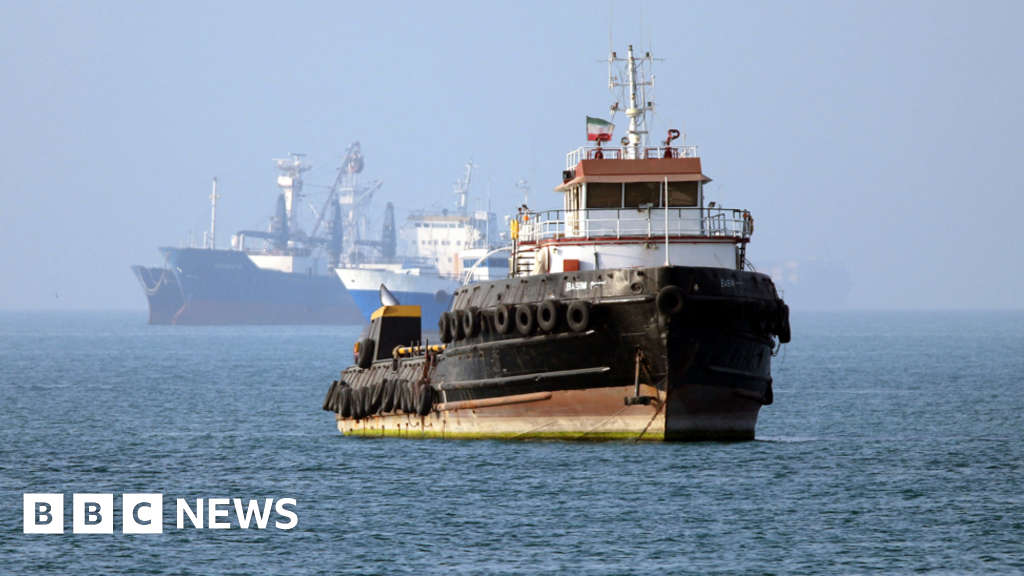
Iran warned Gulf states that complying with US sanctions could trigger severe consequences for ships crossing the Strait of Hormuz, while a bulk carrier was hit by an unknown projectile near Doha and the UAE and Kuwait reported foiled drone attacks. The Strait of Hormuz remains critical, carrying roughly one-fifth of global oil and natural gas flows, so renewed blockade risks and military incidents raise immediate shipping and energy supply disruption concerns. US-Iran tensions remain elevated as both sides accuse each other of attacks and rival blockade attempts.
The market is likely underpricing the difference between headline geopolitical risk and actual trade-flow disruption. Even if physical exports keep moving, the more immediate damage is to insurance, charter rates, and working capital as counterparties demand rerouting, prepayments, and higher security premia; that hits shippers and Gulf-dependent industrial supply chains before it shows up in crude balances. The first-order beneficiary is not just oil, but volatility itself: anything tied to freight, bunker fuel, and short-dated energy options should reprice faster than spot barrels.
Second-order, this is a relative-value event across energy and transportation. Integrated majors with downstream buffers can absorb transient dislocations better than refiners and airlines, while LNG exposure is especially sensitive because a small delay at the Strait can cascade into spot gas spikes in Asia and Europe within days. The bigger structural issue is that a prolonged standoff accelerates regional redundancy investment: alternative pipeline routes, strategic stockpiles, and naval escort capacity all become more valuable, which is bullish for defense logistics and maritime security suppliers over a 6-24 month horizon.
The key tail risk is that the current escalation is not linear but threshold-based: one successful hit on a commercial vessel with casualties, or a clearly attributable strike on Gulf infrastructure, could force insurers and majors to treat the waterway as impaired even without formal closure. Conversely, a negotiated pause would unwind the risk premium quickly, but not the operational friction already embedded in supply chains. Consensus may be too focused on whether oil is "blocked" and too little on the much more likely scenario of persistent micro-disruptions that steadily tax margins across global trade.
AI-powered research, real-time alerts, and portfolio analytics for institutional investors.
Request DemoOverall Sentiment
strongly negative
Sentiment Score
-0.75
Ticker Sentiment
