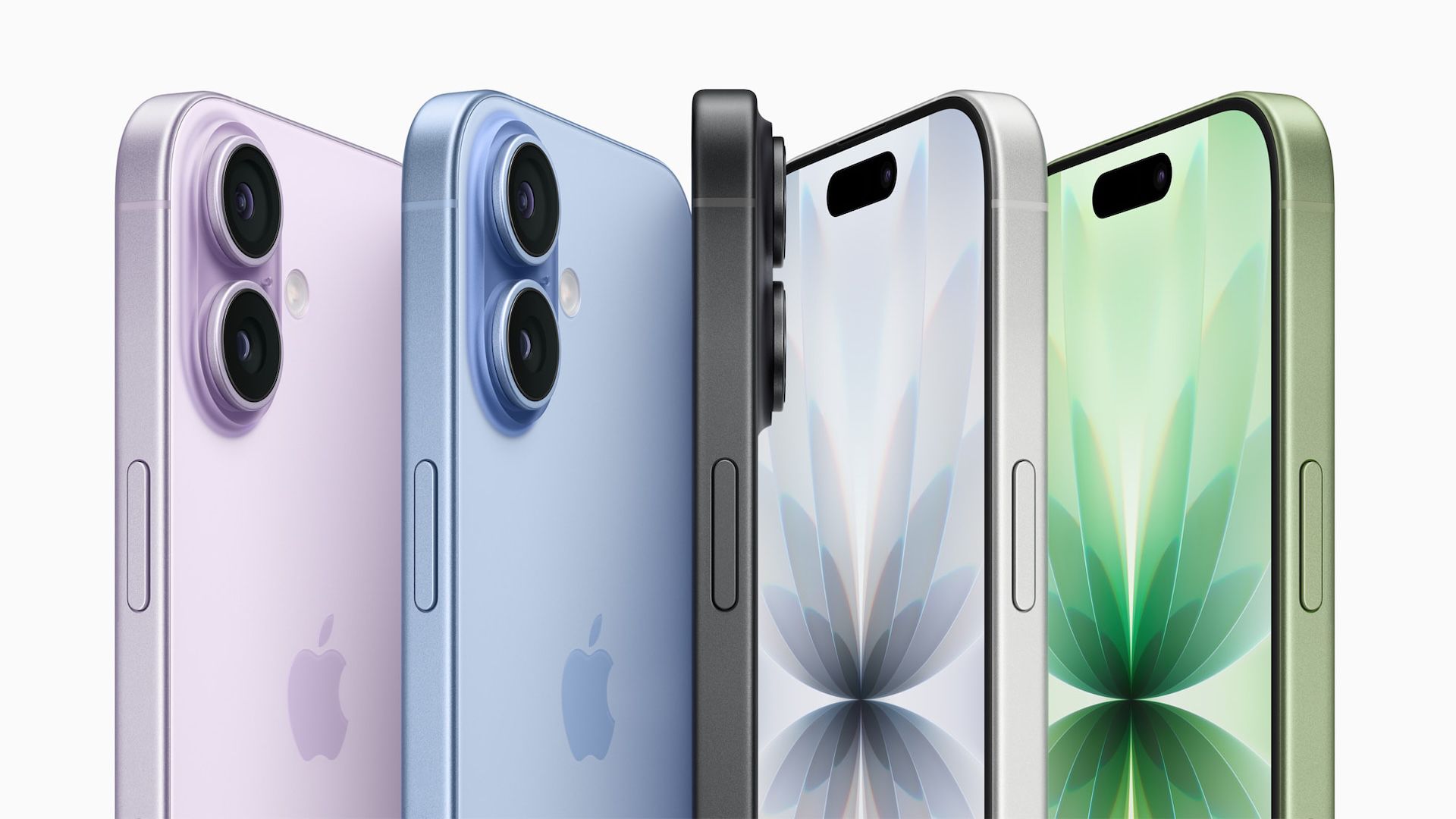
Apple's iPhone 17 was the world's best-selling smartphone in Q1 2026 with 6% of global unit sales, while the iPhone 17 series took the top three positions and the iPhone 16 remained in sixth place. Counterpoint said upgrades such as 256GB base storage, better cameras, and a 120Hz display helped drive double-digit YoY growth in China and the U.S. and a tripling of sales in South Korea. The top 10 phones represented 25% of global smartphone sales, the highest first-quarter concentration on record.
A stronger base-model iPhone mix is more important for Apple than the headline unit ranking suggests. The key second-order effect is margin durability: when the mass-market device inherits features that previously required Pro pricing, Apple can defend share without fully cannibalizing ASPs, because the upgrade ladder still keeps users inside the ecosystem and improves attach rates to services, accessories, and financing. The six-month longer flagship window also matters operationally; it extends the period in which Apple can harvest premium demand before the next product cycle, smoothing quarterly seasonality and reducing the risk of a late-cycle sales air pocket.
The competitive read-through is negative for Android OEMs at the low and mid tiers, but the more important implication is channel pressure. If Apple is taking disproportionate share in the $800-and-up and now even the “good enough” tier, rivals will likely respond with heavier promotions and carrier subsidies, which compresses gross margin before it reliably restores volume. That dynamic can ripple into component suppliers tied more tightly to Android mix, especially display, camera, and memory vendors exposed to promotional SKU churn rather than premium stickiness.
The contrarian risk is that the market may be extrapolating a one-quarter mix shift into a multi-year growth step-up. The longer launch runway is bullish for fiscal 2026, but it also shifts demand forward, raising the odds of tougher comps once the next cycle normalizes. The main failure mode would be a macro slowdown or FX shock in China/U.S. that forces carrier promotions to do more of the work, which would preserve units but erode the profit pool that matters most for the stock.
AI-powered research, real-time alerts, and portfolio analytics for institutional investors.
Request DemoOverall Sentiment
strongly positive
Sentiment Score
0.72
Ticker Sentiment
