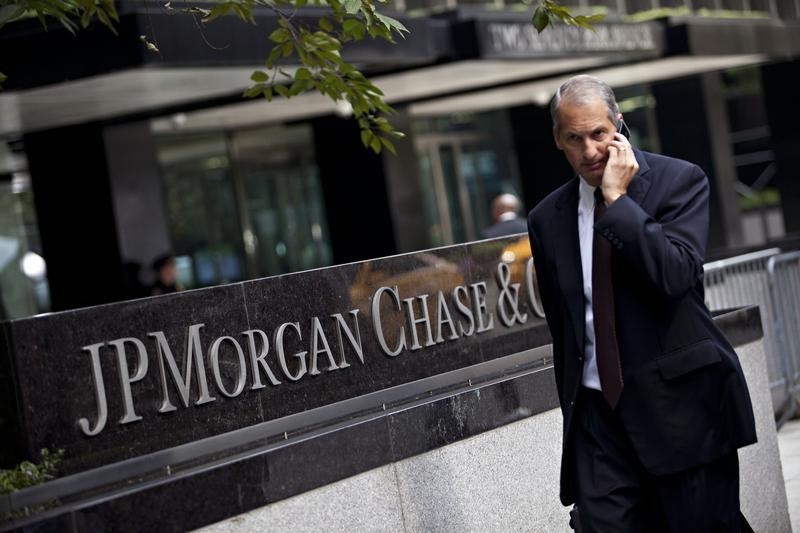
Accor posted first-quarter RevPAR growth of 5.1% and net unit growth of 3.8%, but revenue came in 1.5% below expectations and management withheld a concrete EBITDA guidance range until late July. JPMorgan kept an Overweight rating with a EUR60 target, while Bernstein reiterated Outperform at EUR56.60, citing undervaluation. Near-term risks center on Middle East exposure, with the UAE hit most and the stock down 14% year-to-date at $9.64.
The market is treating this as a clean beat story, but the deeper setup is a regional dispersion trade: hotel demand outside the conflict zone is still carrying the group, while the Middle East mix is the swing factor that determines whether upside from pricing survives into peak season. The key second-order effect is that any normalization in the UAE/Red Sea corridor would likely produce a sharp operating leverage rebound because a lot of the cost base is fixed; conversely, if conflict-driven air capacity constraints persist, the damage will show up less in occupancy than in rate and mix, which is harder for the market to model and can keep estimates too high for months.
Consensus appears to be underpricing how quickly profit protection can offset a soft top line if management is disciplined on discretionary spend and supply growth. That matters because the company’s unit expansion gives it a visible medium-term earnings bridge, so the stock can de-rate on near-term geopolitics yet re-rate quickly if guidance merely confirms that EBITDA is being defended rather than revised down. The market is also likely ignoring that the strongest resilience in Saudi and Egypt implies the region is not a binary risk; it is a country-specific routing problem, which should benefit operators with broad distribution and hurt more concentrated leisure exposure.
The contrarian read is that the shares may be less a value trap than a timing problem: the multiple is already discounting a prolonged conflict, but the next catalyst is not the first-half result itself, it is whether July guidance narrows the range enough to remove fear of a summer earnings reset. If management delivers a conservative but stable EBITDA corridor, the stock could re-rate on relief even without a major demand inflection. The main tail risk is that rising airfares and jet fuel compress consumer willingness to travel at the exact moment summer bookings need to inflect, which would turn a geopolitical headwind into a broader leisure-demand slowdown across Europe and the Mediterranean.
AI-powered research, real-time alerts, and portfolio analytics for institutional investors.
Request DemoOverall Sentiment
mixed
Sentiment Score
0.15
Ticker Sentiment
