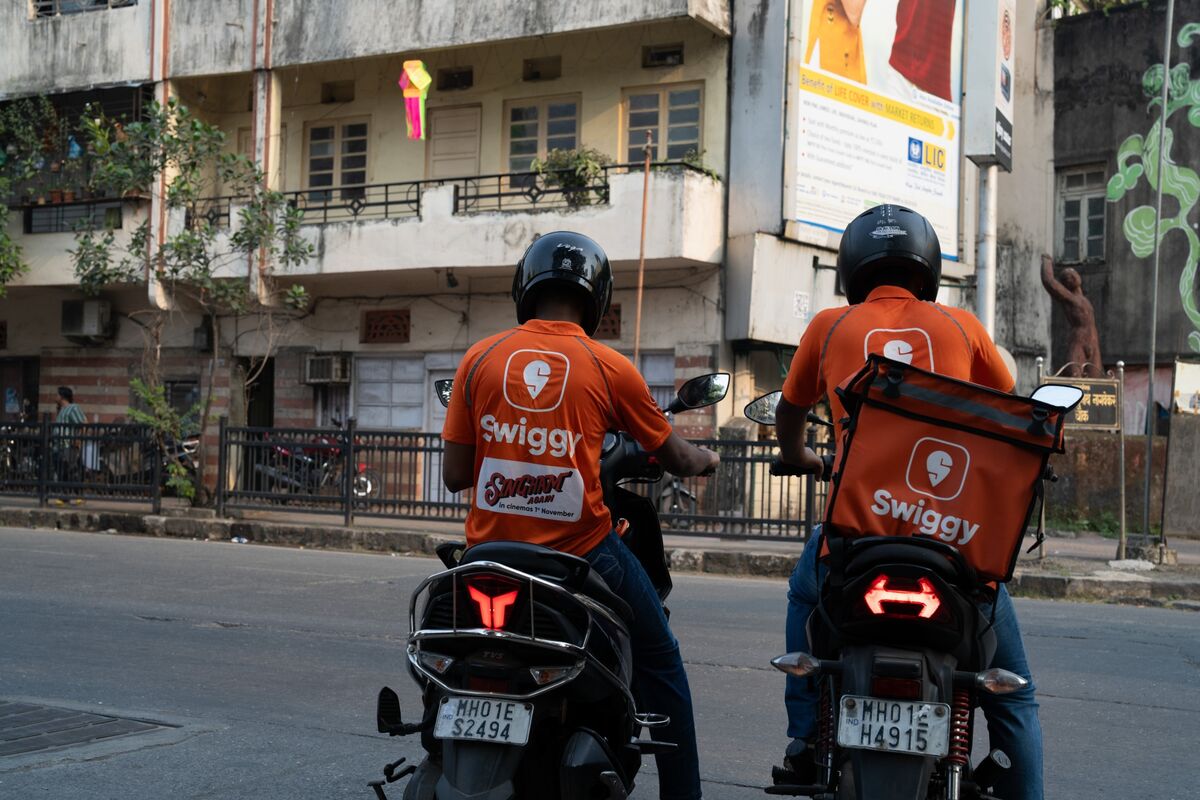
Amazon and Flipkart’s rapid-delivery push has sparked a more than $15 billion selloff in India quick-commerce leaders Eternal and Swiggy. Eternal is down 28% from its October high and Swiggy has fallen about 47% from its September peak as investors price in intensified competition. The article points to rising competitive pressure on Blinkit and Instamart rather than any operating update, but the magnitude of the drawdown makes it sector-relevant.
The core market signal is not that quick-commerce is suddenly bad; it’s that scale economics are being re-priced in real time. If Amazon and Flipkart use their existing fulfillment density to subsidize ultra-fast delivery, the marginal winner is likely the player with the deepest inventory optionality and lowest customer-acquisition cost, not necessarily the first mover in 10-minute delivery. That should pressure smaller pure-plays first, but it also forces incumbents to spend harder on dark stores, rider density, and subsidized baskets, which is a medium-term margin headwind across the category.
Second-order effects matter here: rapid delivery is a logistics arms race that can quickly turn into a capex and working-capital trap. The winners may be adjacent suppliers and infrastructure owners—last-mile logistics, warehouse automation, packaging, and private-label manufacturers—while branded consumer staples could see a modest shelf-share reset as platforms favor higher-frequency, higher-margin SKUs. For public equities, the more durable read-through is that investors will increasingly discount any business model depending on perpetual subscale subsidies.
The selloff may still be underestimating how long competitive pressure can persist. In the next few months, the key catalyst is not volume growth but promotional intensity and whether the new entrants can keep service levels high without materially worsening unit economics; if they can, the multiple compression on incumbent delivery platforms can extend well beyond the initial headline shock. Over 12-24 months, the likely equilibrium is a smaller number of profitable ultra-fast corridors rather than a broad-based winner-take-all market.
The contrarian angle is that the market may be extrapolating the competition hit without giving enough credit to overall category expansion. Faster delivery can expand purchase frequency and shift more discretionary spend online, which eventually enlarges the addressable market for everyone. The current drawdown may therefore be most attractive as a relative-value setup rather than an outright short of the category.
AI-powered research, real-time alerts, and portfolio analytics for institutional investors.
Request DemoOverall Sentiment
strongly negative
Sentiment Score
-0.60
Ticker Sentiment
