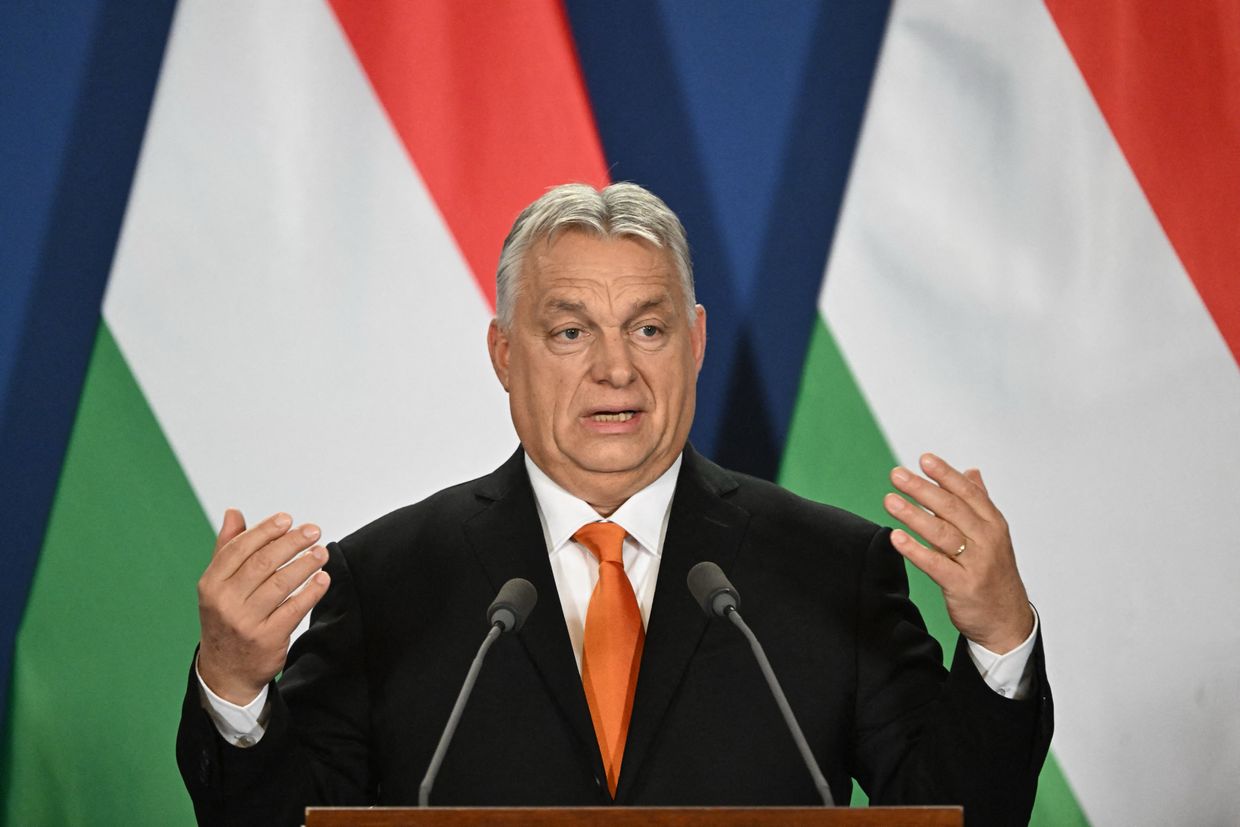
Hungarian Prime Minister Viktor Orban has proposed "strategic cooperation" with Ukraine over full EU integration, arguing that Kyiv's accession would "drag the war into the heart of Europe." This position, purportedly backed by a national consultation whose credibility is widely questioned, underscores Hungary's continued use of its veto power to obstruct Ukraine's EU path. Orban's pro-Russian stance and history of delaying aid to Ukraine highlight significant internal EU divisions and geopolitical challenges for Ukraine's integration efforts.
Hungary's official opposition to Ukraine's full European Union membership, as articulated by Prime Minister Viktor Orban, presents a significant and persistent geopolitical obstacle for both Kyiv and the EU. Orban's counter-proposal of a "strategic cooperation" rather than full integration is framed as a measure to prevent the Russia-Ukraine war from extending into the EU. This stance is reportedly supported by a national consultation where the government claims 95% of participants rejected Ukraine's accession. However, the credibility of this poll is severely undermined by allegations of systemic manipulation and data from an opposition leader suggesting an actual return rate of only 3-7%, casting doubt on the mandate's legitimacy. This development underscores the potent influence of Hungary's veto power within the EU, highlighting deep internal divisions. Orban's actions are consistent with his government's pro-Russian alignment, history of obstructing aid to Ukraine, and broader challenges to democratic norms, solidifying Hungary's role as a key source of political risk for EU cohesion and its foreign policy towards Eastern Europe.
AI-powered research, real-time alerts, and portfolio analytics for institutional investors.
Overall Sentiment
moderately negative
Sentiment Score
-0.30
