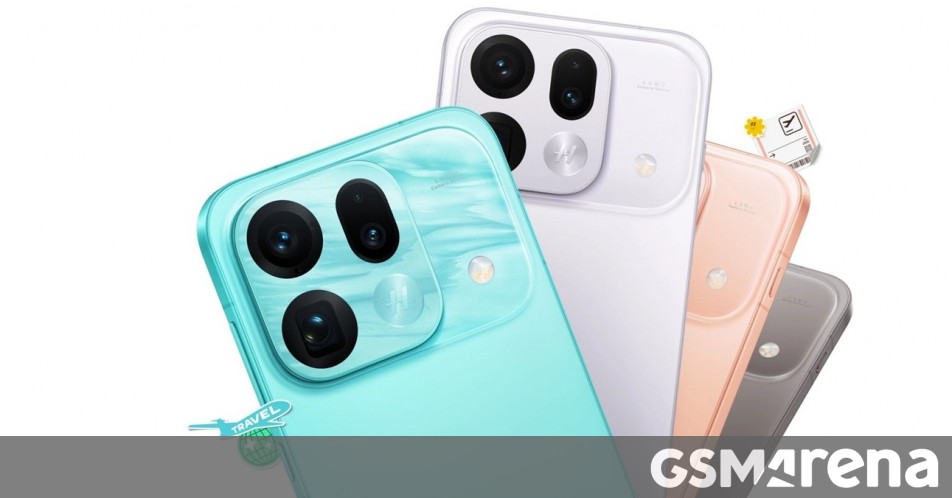
Oppo confirmed the Find X9s Pro will debut globally on April 21 in China at 7 PM local time, alongside the Find X9 Ultra. The Find X9s Pro will be offered in four colors and four memory configurations: 12GB/256GB, 12GB/512GB, 16GB/512GB, and 16GB/1TB. The pre-order page also confirms a 6.3-inch display, 1.1mm screen bezels, and dual 200MP Hasselblad cameras, but no pricing details.
This is less about immediate handset demand and more about signaling in a brutally commoditized premium Android market. Oppo is trying to use a halo device to pull traffic into its broader ecosystem, but the second-order effect is margin pressure: ultra-premium specs are increasingly table stakes, so the industry is forced into a feature race that raises BOM costs faster than pricing power. That tends to benefit component vendors with scarce high-end content, while hurting OEMs that lack software differentiation and must subsidize growth with launch spend.
The likely near-term winners are imaging, display, and memory suppliers tied to premium Android flagships, especially where dual-flagship camera configurations and ultra-thin bezels force higher component complexity. The risk for Oppo is that “global launch” ambiguity limits the true TAM expansion; if this is mostly announcement theater, the revenue uplift is pushed out by a quarter or two while marketing expense is incurred immediately. For competitors, the threat is not share loss from one model, but a rising bar for what qualifies as a premium device in China and export markets, which can compress margins across the Android stack.
The contrarian view is that the market may be overestimating how much a flagship refresh moves end-demand. In a weak handset replacement cycle, premium launches mostly reallocate wallets within the Android ecosystem rather than expand unit growth, so the best trade is often not the OEM but the suppliers with pricing leverage and limited inventory overhang. The key catalyst window is the next 1-3 weeks around launch and review cycle; if early teardowns show cost inflation without clear demand pull, sentiment could fade quickly. Over a 1-2 quarter horizon, watch whether Oppo’s higher-spec positioning translates into channel sell-through or just higher promo intensity.
AI-powered research, real-time alerts, and portfolio analytics for institutional investors.
Request DemoOverall Sentiment
neutral
Sentiment Score
0.12
