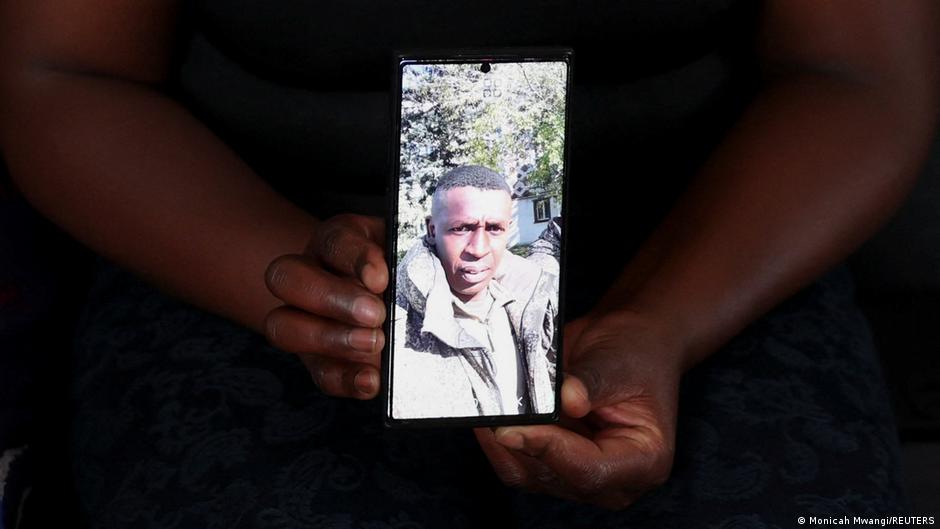
Kenya's Foreign Minister Musalia Mudavadi flew to Moscow to demand an end to clandestine recruitment of Kenyans — Nairobi says more than 1,000 nationals were lured to Russia, with local reports of at least 18 killed and 30 missing. Mudavadi will press for safe repatriation and access to civilian Russian jobs in meetings including Foreign Minister Sergei Lavrov; Russia denies involvement. The move raises bilateral diplomatic risk and consular liabilities and could prompt targeted repatriation efforts (South Africa recently recovered 15 citizens), but is unlikely to trigger broad market or macro shocks.
Kenya elevating the issue into direct talks with Moscow is a political leverage play that increases the probability of targeted, transactional outcomes (small-scale repatriations, pressure on recruitment intermediaries) rather than a systemic rupture. Expect a stepped sequence: short-term headlines and bilateral pressure (days–weeks), medium-term regulatory moves against recruitment networks and travel advisories (3–9 months), and a longer reallocation of Russian manpower sourcing toward fully controlled partners (North Korea/proxy contractors) over 12–24 months.
Second-order winners will be commercial actors that substitute for opaque manpower channels — NATO-aligned private security firms, logistics providers for controlled troop rotations, and Western defense OEMs winning maintenance/aid contracts as African states diversify. Conversely, opaque staffing agencies, certain travel/charter operators servicing cross-border labor flows, and Russia-exposed commodity/transport links face revenue and reputational hit as compliance costs and scrutiny rise.
Market catalysts to watch: publicized repatriation figures, coordinated African government statements, enforcement actions against intermediaries, and any Russian countermeasures (visa/airline restrictions). The largest tail risk is escalation into reciprocal diplomatic restrictions or targeting of Kenyan assets/operations, which would rapidly broaden EM risk-off and widen African sovereign spreads; that outcome has low-to-moderate probability but high market impact within 1–3 months.
The consensus underestimates how quickly transactional bilateral wins translate into procurement and advisory contracts for Western defense firms across Africa — procurement budgets are small but concentrated, meaning a handful of mid-cap defense/service contracts over 12–24 months can move revenue trajectories materially for select suppliers.
AI-powered research, real-time alerts, and portfolio analytics for institutional investors.
Request DemoOverall Sentiment
moderately negative
Sentiment Score
-0.30
