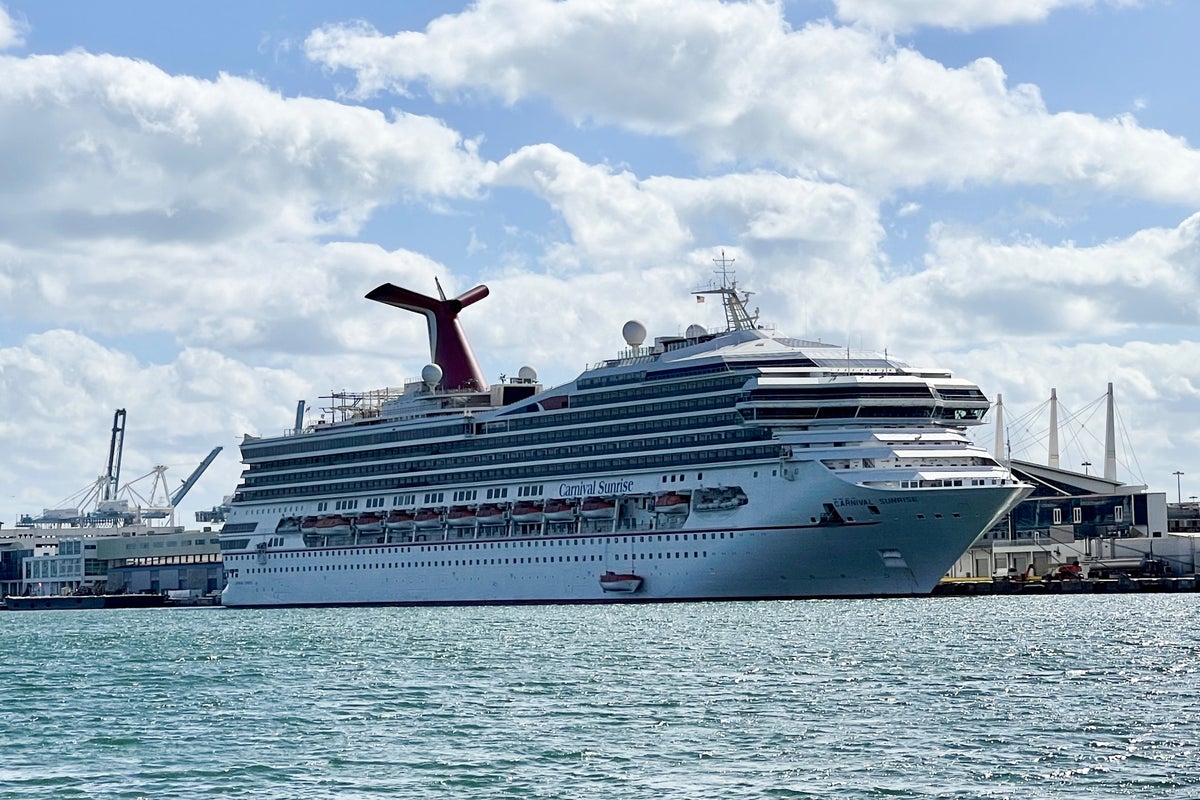
Royal Caribbean canceled over 20 Freedom of the Seas sailings for summer 2027, impacting itineraries to the Bahamas, Dominican Republic, Aruba and Curaçao. The firm said the ship is being redeployed to Southampton for the 2027 season as part of itinerary planning and fleet considerations; affected passengers are being offered alternative cruises, full refunds and reimbursement for prepaid amenities. Days earlier Carnival canceled 11 Carnival Firenze voyages scheduled Oct 12–Nov 16, 2026, offering rebooking with fare protection and onboard credits or full refunds. Near-term financial impact appears limited, but the cancellations raise modest reputational and booking risks for both operators.
Fleet redeployments and itinerary churn typically produce concentrated, front-loaded P&L hits (refunds, rebookings, prepaid amenity reimbursements) while creating a non-linear second-order effect on onboard yield because ancillary revenue is sticky to itinerary and passenger mix. Model a near-term revenue pressure in the mid-single digits for the affected sailings window, which can translate into ~100–200bp EBITDA compression in the quarter where adjustments are recognized, even if full-year yield benefits are captured later through higher-priced repositioned itineraries.
Operationally, these moves cascade into logistics friction: port slot demand in alternative homeports (and associated pilot/tug/berth fees) rises, drydock and technical service windows re-price, and crew/visa redeployments add overtime and training costs. Those supply-side bottlenecks are most acute on 3–6 month timelines and create an asymmetric cost shock that is difficult to fully hedge through ticket pricing because consumers value certainty; conversion and cancellation behavior will be the leading indicator to watch.
From a market perspective, knee-jerk negative sentiment should be separated from economics: if redeployment increases exposure to higher-yield source markets, medium-term per-passenger profitability can improve, suggesting a two-phase dislocation — an initial operational/earnings shock followed by a potential margin recovery 9–18 months out. Key near-term catalysts are quarterly booking cadence updates (next 1–3 reporting cycles), drydock/maintenance scheduling notices, and consumer confidence indicators that determine rebooking conversion rates.
AI-powered research, real-time alerts, and portfolio analytics for institutional investors.
Request DemoOverall Sentiment
mildly negative
Sentiment Score
-0.25
