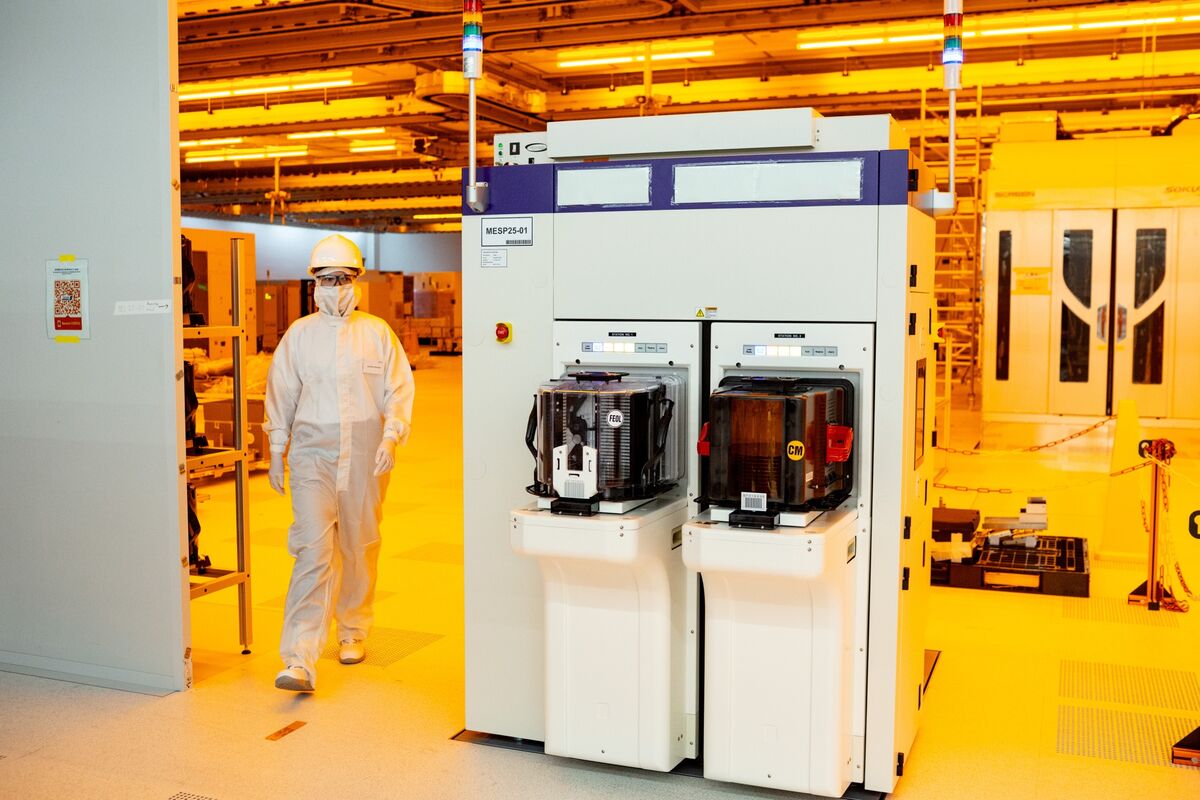
Infineon is set to open its €5 billion semiconductor fab in Dresden on July 2, its largest single investment, supported by about €1 billion in EU Chips Act subsidies. The project expands European chip-making capacity and aligns with the EU’s push for semiconductor sovereignty. The news is modestly positive for Infineon and supportive for the broader European tech manufacturing ecosystem.
This is less about one chip fab and more about Europe trying to buy optionality in a strategic supply chain. The immediate winners are not just the incumbent European industrial base, but also the surrounding ecosystem: tool vendors, specialty materials, local utilities, and construction/automation contractors that benefit from a multi-year capex wave with political support. The second-order effect is that subsidy-backed capacity tends to crowd in follow-on private spending from adjacent players who do not want to be structurally dependent on Asian foundries for power semis and industrial-grade devices.
For competitors, the more meaningful pressure is on global analog/power incumbents and Asian low-cost producers that compete in mature-node, automotive, and industrial applications. In these segments, the edge is less about bleeding-edge process leadership and more about proximity, qualification, and supply assurance; once customers re-source for resilience, they rarely switch back quickly. That said, subsidy-assisted capacity can still be economically fragile if demand normalizes faster than the ramp, because power semiconductor pricing is cyclic and any overbuild will hit utilization before it hits headline revenue.
The key risk is timing mismatch: Europe wants strategic independence on a political cycle, while fabs monetize on a 5-10 year horizon. If industrial production weakens or autos slow, the new capacity could arrive into a softer market, compressing returns on capital and forcing longer payback periods than the subsidy narrative implies. The contrarian read is that the market may be underestimating how much of the value accrues to equipment and infrastructure suppliers, while overestimating how immediately accretive this is to the fab owner itself; the real embedded value may be in the guaranteed volume and pricing power from sovereign procurement rather than pure incremental margins.
AI-powered research, real-time alerts, and portfolio analytics for institutional investors.
Request DemoOverall Sentiment
mildly positive
Sentiment Score
0.20
