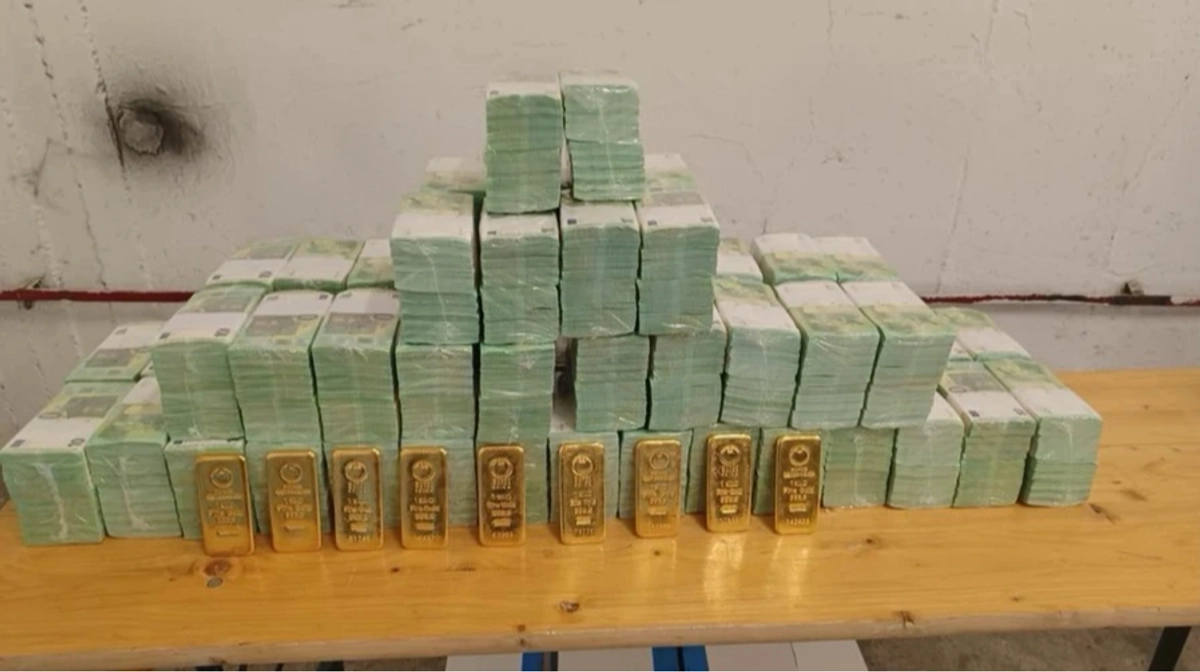
Hungary has returned Oschadbank funds and valuables to Ukraine, including cash and 9 kilograms of gold that were seized in March alongside detained Ukrainian cash-in-transit officers. The article cites an initial seizure worth US$40 million, €35 million and the later return of the assets in full. The development is politically relevant but appears to have limited direct market impact.
This is less about the returned cash itself and more about the signal that cross-border asset seizure is being unwound rather than normalized. For Central and Eastern European banks, that lowers the probability of a broadening retaliation cycle where commercial assets become bargaining chips in energy or border disputes; the first-order effect is modest, but the second-order effect is a lower geopolitical risk premium on regional financials and sovereign spreads.
The bigger market implication is for the rule-of-law discount on Hungary-adjacent assets. If Budapest is willing to reverse a politically useful seizure, it suggests the government is sensitive to escalation costs and external pressure, which slightly reduces tail risk for assets exposed to ad hoc confiscation or capital controls. That should help Hungarian banks and domestically funded lenders via lower deposit flight risk and a marginally lower funding spread, though the move is not enough to re-rate the sector on its own.
The contrarian read is that this may mark a tactical de-escalation, not a strategic one. If the pipeline dispute remains unresolved, similar leverage events can recur around energy transit, customs, or judicial actions, so any spread compression is likely to be fragile over the next 1-3 months. The market should treat this as a short-duration normalization trade, not a durable regime shift.
The most interesting edge is on sentiment rather than fundamentals: reversible geopolitical actions tend to reduce implied tail risk faster than they improve expected cash flows. That creates room for selective mean reversion in Hungary-exposed credits and bank equities, but the upside should be capped unless there is a broader détente on energy and border issues.
AI-powered research, real-time alerts, and portfolio analytics for institutional investors.
Request DemoOverall Sentiment
neutral
Sentiment Score
0.15
