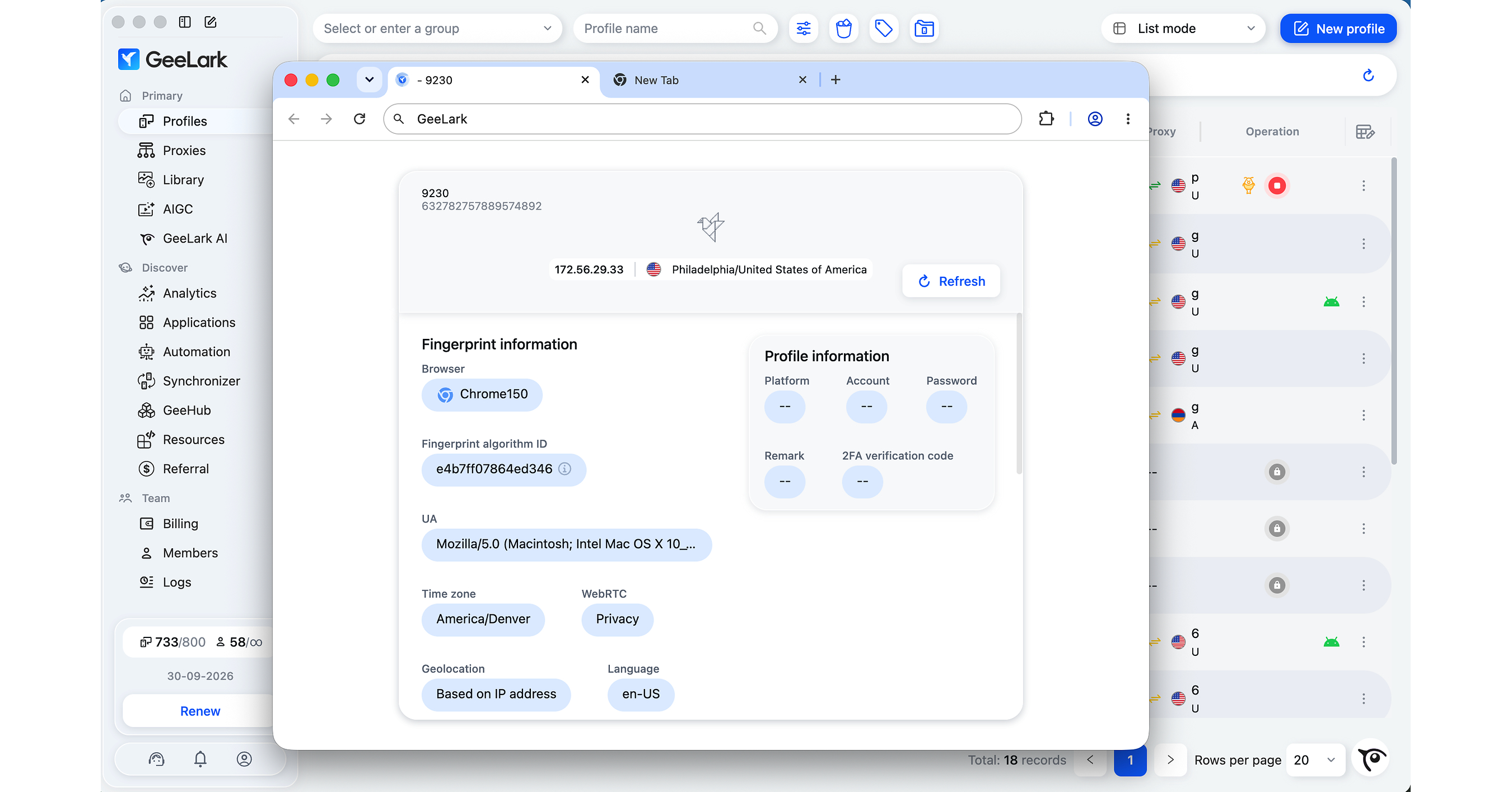
GeeLark upgraded GeeLark Browser to kernel and user-agent configurations for version 150 and added GeeLark Password Manager installed by default, enabling team credential sharing via Google’s password-management capabilities. The update targets easier, more current browser environments and reduced manual setup/credential transfers for distributed teams. Overall this is a product/infrastructure enhancement with limited expected near-term market impact.
This is not a near-term revenue event for GOOGL, but it is a small positive read-through for Chrome/Google identity stickiness. When third-party workflow tools increasingly rely on Google-native credential plumbing, the switching cost sits less in the browser itself and more in the surrounding admin and authentication stack, which modestly reinforces Alphabet’s enterprise moat.
The more interesting second-order effect is competitive pressure on standalone password managers and enterprise-browser vendors: if team credential handling becomes embedded in the browser layer, some incremental budget shifts away from point solutions. The offsetting risk is compliance backlash; shared-access workflows can trigger security review, policy tightening, and platform restrictions, which would mute adoption over the next 1-3 months even if user demand is real.
Contrarian view: the market should not confuse “browser infrastructure” language with meaningful monetization for Alphabet. Unless this evolves into packaged Chrome Enterprise or Workspace security/admin features, the financial impact is mostly strategic and likely too small to move estimates. The thesis is falsified if Google begins limiting shared-credential functionality or if enterprise security teams reject the workflow as too risky, which would show this remains a niche productivity layer rather than a durable standard.
AI-powered research, real-time alerts, and portfolio analytics for institutional investors.
Overall Sentiment
mildly positive
Sentiment Score
0.15
Ticker Sentiment
