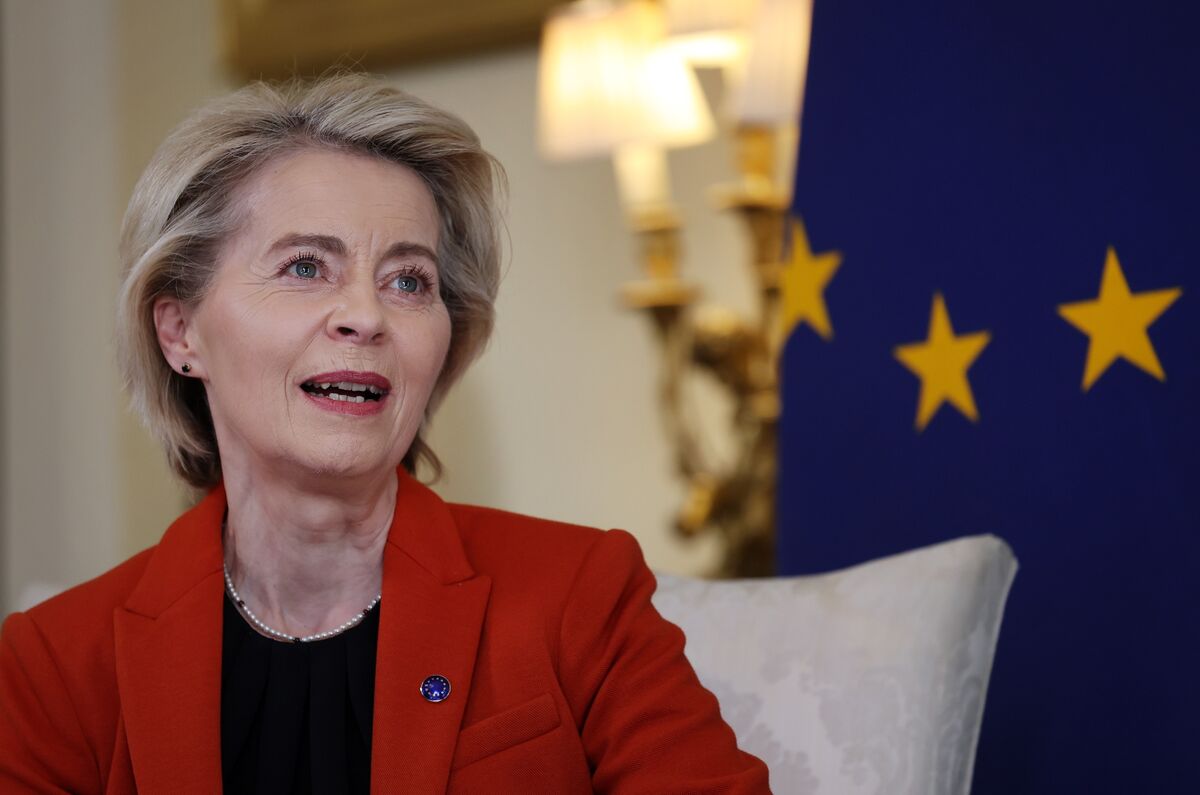
The European Union is grappling with a significant crisis of confidence, marked by its perceived marginalization in global affairs and persistent internal divisions. Recent examples include being sidelined in US-Russia negotiations over Ukraine, a 'humiliating' trade deal with the US, and a failure to rebalance relations with Beijing, alongside domestic budget impasses and difficulties formulating a coherent response to the Gaza conflict. This confluence of challenges is intensifying pressure on Ursula von der Leyen as the bloc struggles to translate its anxieties into effective and unified action amidst a volatile global environment, signaling potential policy paralysis and geopolitical weakness.
The European Union is confronting a severe crisis of confidence, marked by a significant erosion of its geopolitical influence and escalating internal fragmentation. This is evidenced by its marginalization in key international negotiations, such as the US-Russia talks over Ukraine, and its submission to what was described as a 'humiliating' trade deal with the US. The bloc's inability to formulate a unified strategic response is further highlighted by its failed attempts to rebalance its relationship with Beijing and its divided stance on the Gaza conflict. Domestically, instability persists, exemplified by the collapse of the French government over a budget impasse, which signals deep-seated fiscal and political divisions among member states. These compounding factors, reflected in a strongly negative sentiment score of -0.75, are intensifying pressure on EU leadership and suggest a growing risk of policy paralysis, undermining the bloc's capacity to act cohesively in an increasingly hostile global environment.
AI-powered research, real-time alerts, and portfolio analytics for institutional investors.
Overall Sentiment
strongly negative
Sentiment Score
-0.75
