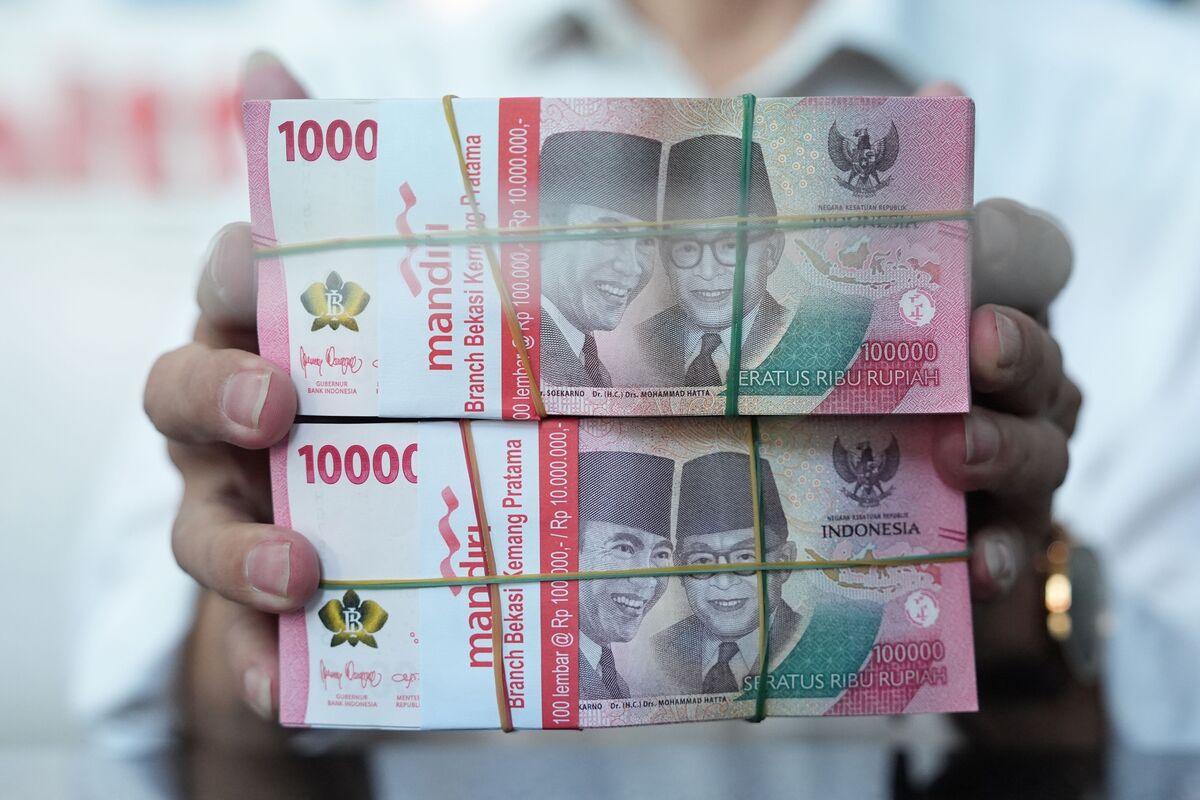
Indonesia's fiscal and currency risks have likely peaked, according to Citi economist Helmi Arman, who now expects President Prabowo Subianto's government to keep the budget deficit within legal limits. The note signals a more constructive view on Indonesia's macro outlook after earlier criticism of the analyst's forecasts. Market impact is limited but could modestly support sentiment toward Indonesian assets.
A cleaner Indonesia fiscal backdrop is less about the headline macro and more about second-order risk compression: local rates, sovereign spreads, and FX volatility should all fade if the market believes policy stays inside the guardrails. That tends to benefit the domestic bank and consumer complex first, because funding costs and reserve buffers become less punitive, while import-heavy sectors gain from a more stable rupiah and lower hedging costs.
The important nuance is that this is likely a months-long repricing, not a days-long one. If the fiscal path remains contained, the easiest trade is not in outright growth beta but in the reduction of tail risk embedded in EM risk premia; that means carry can work better than duration. The flip side is that any slippage in subsidy policy, election-related spending, or commodity-driven revenue disappointment would quickly reintroduce FX pressure, and Indonesia’s market tends to punish credibility loss faster than it rewards incremental improvement.
For Citi specifically, this kind of call can matter for franchise optics: getting ahead of a formerly contentious but ultimately correct macro view can improve analyst credibility and client flow in EM. The broader contrarian point is that consensus may still be anchored to the memory of fiscal slippage, so the move may be under-owned rather than over-owned; if so, the first leg of performance is likely in bank equities and sovereign bonds rather than the currency itself. The cleanest tell over the next 1-2 quarters is whether foreign inflows resume without a corresponding widening in the current account or local rates.
AI-powered research, real-time alerts, and portfolio analytics for institutional investors.
Request DemoOverall Sentiment
mildly positive
Sentiment Score
0.15
Ticker Sentiment
