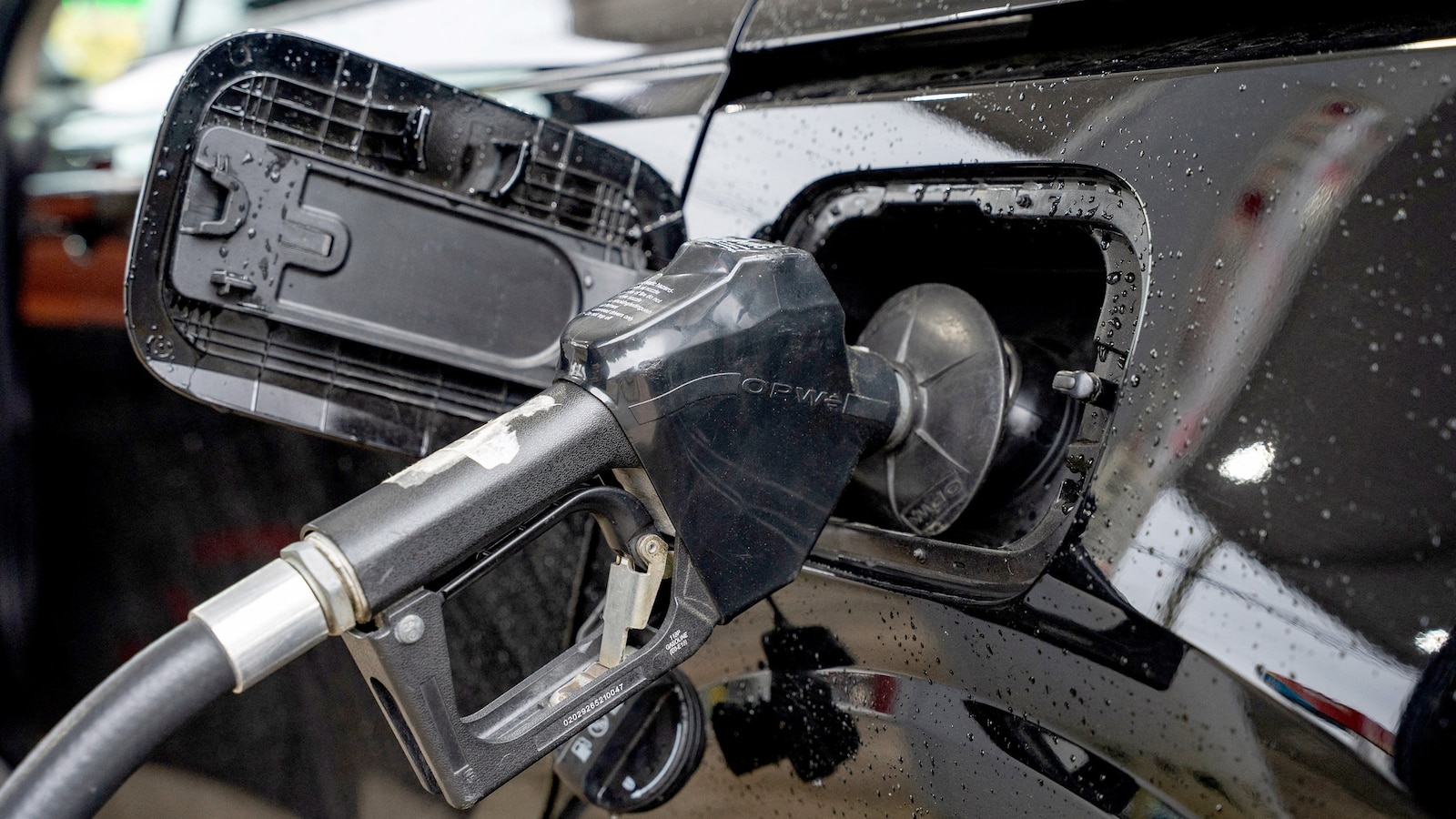
U.S. gas prices are near a four-year high at $4.55 per gallon, up about 42% year over year, as the Iran war has disrupted global oil supply and choked off traffic through the Strait of Hormuz. California is averaging $6.13 per gallon, while six states are above $5 and 19 states are expected to set record Memorial Day prices. AAA expects roughly 39 million people to travel by car over the holiday, but motorists are set to spend about $2 billion more on gasoline than a year ago.
The immediate beneficiaries are not just upstream energy producers; it is the entire chain of discretionary-spend substitution. Elevated pump prices act like a regressive tax on lower- and middle-income households, which should first show up in weaker convenience retail, lower-margin road-trip discretionary spend, and softer credit card volumes tied to travel weekends rather than a clean hit to total retail sales. The more interesting second-order effect is that consumers do not necessarily cancel trips — they compress spend elsewhere, which tends to pressure restaurants, apparel, and entertainment while supporting lower-cost alternatives like value lodging and local leisure.
The key market risk is not the peak weekend headline, but the persistence of elevated fuel costs into June and July, when behavioral changes become more durable. If prices stay above the psychological thresholds for several more weeks, expect a lagged drag on consumer confidence and a modest reset in small-ticket discretionary spending; that typically matters more for banks with heavier exposure to lower-FICO card revolvers than for broad consumer lenders. The move also has a policy overhang: a meaningful retreat in crude quickly removes the inflation impulse, but if geopolitics re-escalate, the market could reprice gasoline higher faster than refiners can pass through margin compression.
The contrarian angle is that the market may be overestimating the second-order inflationary threat relative to the actual macro hit. U.S. households are used to high nominal fuel prices, and because travel demand is still holding, the initial effect may be margin pressure for retailers rather than outright demand destruction. That means the better short is often not the energy complex itself, but the consumers and travel intermediaries with fixed-cost leverage and weak pricing power if fuel remains elevated for another 4-8 weeks.
AI-powered research, real-time alerts, and portfolio analytics for institutional investors.
Request DemoOverall Sentiment
mildly negative
Sentiment Score
-0.25
Ticker Sentiment
