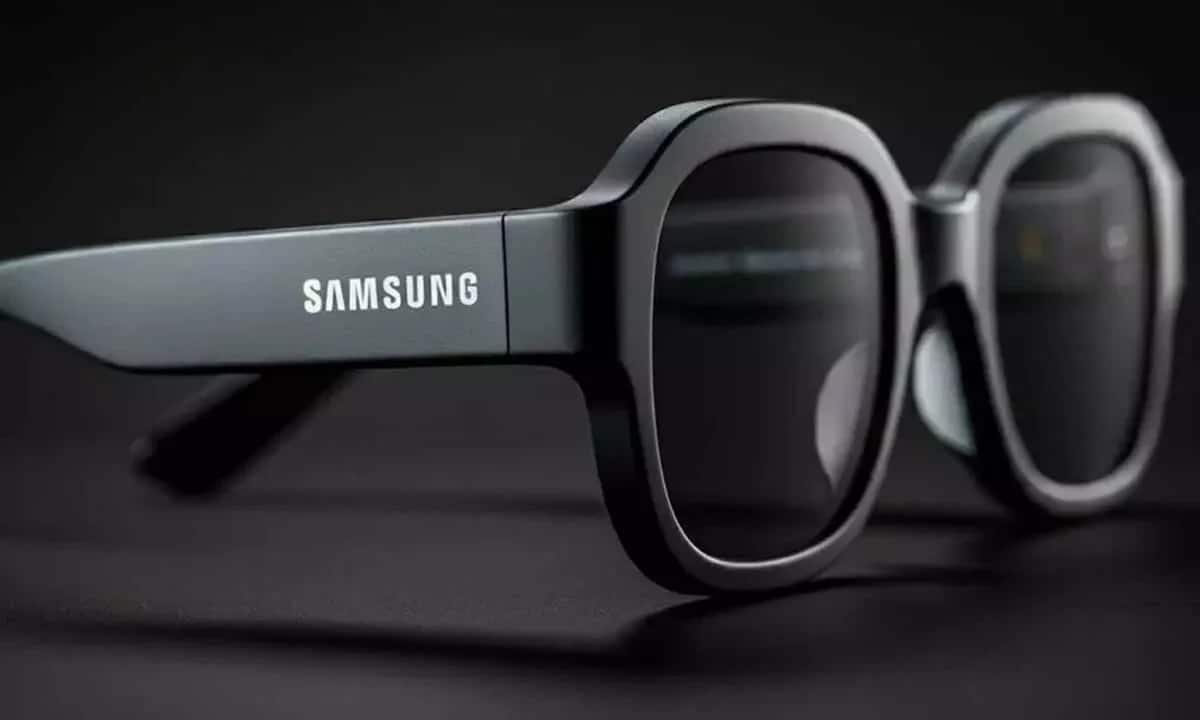
Samsung is reportedly moving toward its first smart glasses, likely called Galaxy Glasses, with firmware references appearing in One UI 8.5 and the unreleased One UI 9. The device is said to target a late-2026 launch, with companion-phone functionality, multiple frame designs, and a camera setup aimed at daily use. The news suggests Samsung is building out a wearables stack, but the article remains speculative and does not include pricing, revenue, or launch confirmation.
This is more important for META and GOOGL as a demand-validation signal than as a direct competitive threat. Samsung entering the category expands the addressable market and, more importantly, normalizes smart glasses as a mainstream consumer device, which tends to deepen the data/AI flywheel for the platform providers that own the operating layer, cloud inference, and ad graph. If adoption broadens, the long-run economic prize is not the hardware margin; it is the compounding value of always-on camera, voice, and context signals that improve ad targeting, agent usage, and commerce conversion.
The second-order winner is likely the ecosystem that can turn glasses into a distribution node for AI assistants. That favors the company with the strongest consumer social graph and the lowest-friction content loop, while Google benefits if Android becomes the default substrate for accessory pairing and on-device assistant services. The risk is that hardware OEMs remain trapped in a feature-accessory cycle: if glasses are tethered to phones and differentiated mainly by design, the category may grow units without creating durable standalone economics, which caps the valuation impact for the hardware layer.
The contrarian view is that the market may be too quick to extrapolate a near-term platform shift. Wearables historically over-earn attention during announcement cycles and under-deliver on sustained usage because battery life, heat, privacy friction, and social acceptability constrain daily engagement. In that case, the real catalyst horizon is 12-24 months, not weeks: initial enthusiasm may help sentiment, but the equity repricing only becomes meaningful if Samsung’s entry proves the category is moving from novelty to repeat usage and if app developers start building around ambient AI interactions.
Near-term downside risk to the bullish read is competitive crowding. If Samsung’s product is a companion device rather than a category-defining platform, it could actually reinforce the incumbents by subsidizing consumer education without forcing a reset in share. The market should watch for whether the next wave includes a compelling software/services layer; without that, this is a broader TAM story, not a margin dislocation story.
AI-powered research, real-time alerts, and portfolio analytics for institutional investors.
Request DemoOverall Sentiment
mildly positive
Sentiment Score
0.20
Ticker Sentiment
