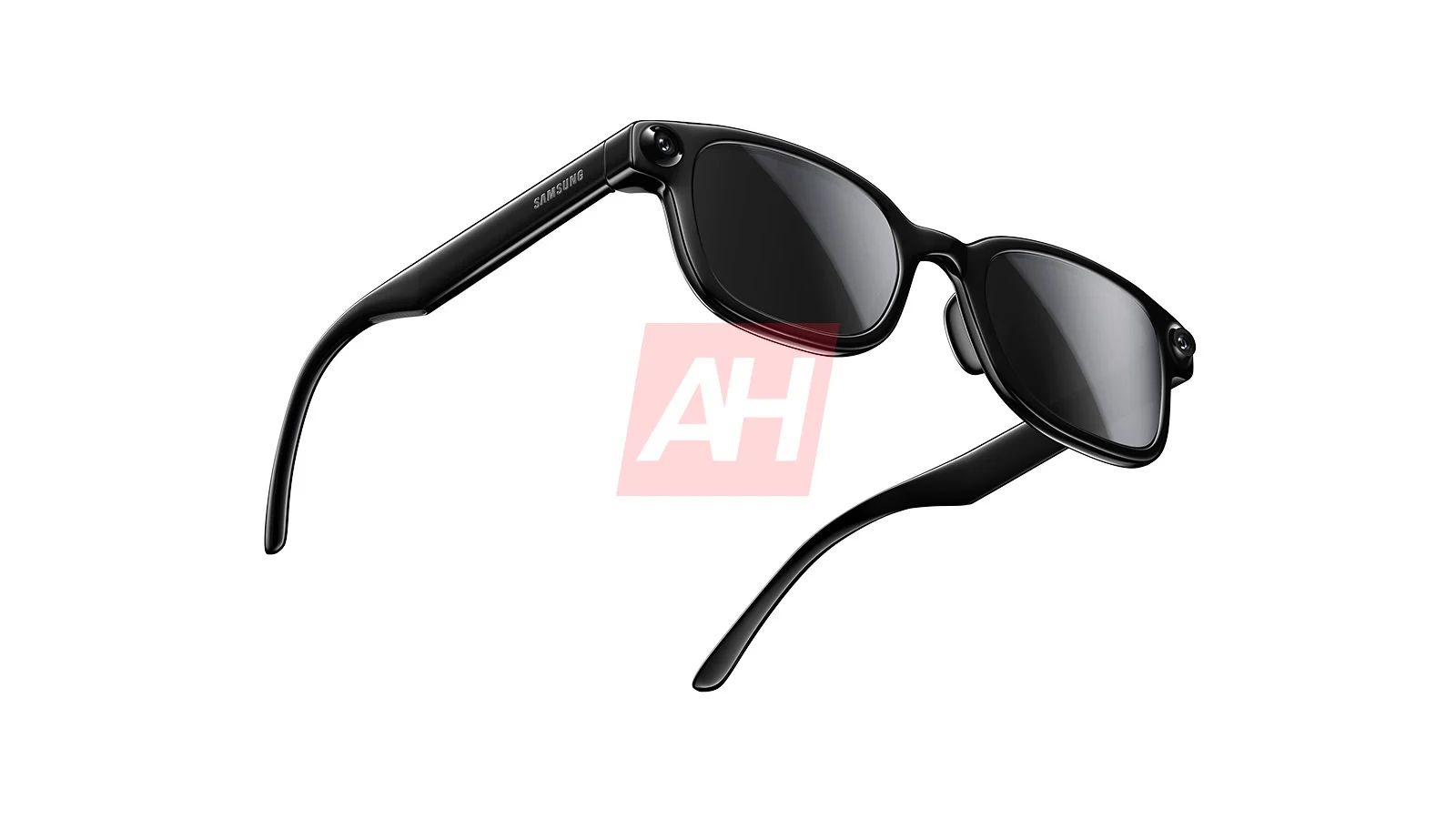
Samsung’s leaked Galaxy Glasses roadmap points to two products: entry-level Jinju, likely launching in late 2026 at $379-$499 with no display, and premium Haean, expected in 2027 with a micro-LED AR display priced around $600-$900. Both models are reported to include a 245mAh battery, cameras, and AI features, with Jinju using a 12MP Sony IMX681 sensor and autofocus. The leak is constructive for Samsung’s XR ambitions, but the impact is limited because the products are still unreleased and timing remains uncertain.
Samsung’s two-tier rollout is strategically smart because it attacks the market in stages: the screenless version can broaden adoption and collect usage data, while the display-enabled model tests willingness to pay for true AR. The second-order implication is that the category may bifurcate into a volume hardware business and a premium “overlay” business, which usually benefits the platform owner with the deepest AI stack rather than the first mover in frames alone. That structurally favors Google’s Gemini ecosystem if Samsung keeps the experience tightly integrated with Android and search/translation use cases.
For Meta, this is not an immediate share loss story, but it does raise the risk that Ray-Ban-style glasses become a commoditized form factor faster than expected. If Samsung ships a lighter, better camera-driven device at similar price points, Meta’s differentiation shifts from hardware brand to software moat and distribution. The more important pressure point is margin: even modest ASP competition in a nascent category can force subsidies or slower price expansion, which matters more than unit share in the next 12-24 months.
The biggest catalyst/risk window is 2026-2027, not near-term. The market will likely overreact to leaks before there is proof of mass-market utility, and the key reversal trigger is simple: if the glasses remain “nice-to-have” instead of daily-use, replacement cycles and attach rates will disappoint. Conversely, if Samsung nails translation, capture, and hands-free workflows, the AR display version could create a premium upgrade path that extends the category beyond novelty.
The contrarian view is that this may be less about Samsung versus Meta and more about who controls the AI interaction layer on faces. That makes the first-order trade potentially wrong if investors focus only on wearable hardware share; the real winner may be the platform that turns glasses into a low-friction front end for search, messaging, and commerce. In that frame, Samsung is a distribution catalyst for Google more than a direct threat to Meta’s long-term social graph, while Meta’s biggest vulnerability is being trapped in a hardware-only narrative.
AI-powered research, real-time alerts, and portfolio analytics for institutional investors.
Request DemoOverall Sentiment
mildly positive
Sentiment Score
0.15
Ticker Sentiment
