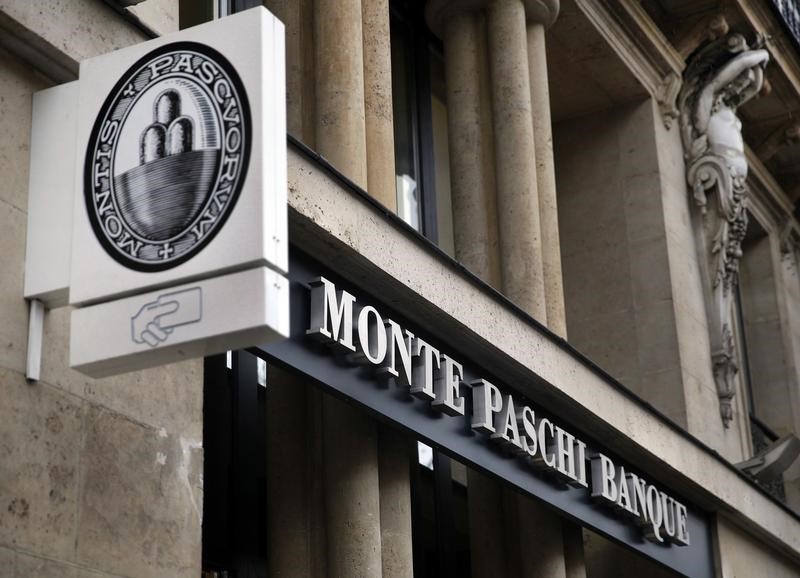
Shareholders in Banca Monte dei Paschi di Siena reinstated Luigi Lovaglio as CEO, giving him a fresh mandate to oversee the integration of Mediobanca after weeks of governance turmoil. Lovaglio’s slate won just under half of the votes, ahead of the departing board’s rival list at roughly 39%, while shares in the lender rose 3% in Milan trading. The vote reduces near-term leadership uncertainty and supports the bank’s strategic combination plan.
The governance outcome matters less as a one-day relief rally and more as a signal that the integration path now has a credible sponsor. In bank M&A, the market usually prices the first-order deal premium quickly, but the second-order re-rating comes only if the new board can prove discipline on capital allocation, branch overlap, and funding stability over the next 2-6 quarters. If Lovaglio regains control, the key variable is whether execution reduces the discount to tangible book rather than simply preserving the strategic narrative.
The immediate winners are likely the minority holders and any spread-sensitive creditors if leadership churn had been widening perceived execution risk. The losers are governance-driven short sellers and any domestic competitors that were hoping the process would delay integration long enough to preserve franchise value in wealth management and investment banking. A successful combination would also pressure peers to accelerate their own consolidation logic, especially smaller Italian lenders with weaker fee income and less deposit stickiness.
The contrarian risk is that the market may be extrapolating governance resolution into deal completion too early. Bank mergers in Italy are rarely stopped by headline votes; they are slowed by capital politics, regulator conditions, and integration complexity, which can turn a positive sentiment event into a months-long drift trade. If the new board uses the mandate to pursue aggressive synergy targets without preserving capital buffers, the upside can reverse quickly through funding costs or a renewed conflict with shareholders.
From a trading perspective, this is more of a medium-horizon rerating setup than a pure event pop. The best expression is to own the cleaner governance winners versus weaker domestic banks that lack a catalyst, while keeping duration short because legal/regulatory friction can erase momentum fast. The move is likely underdone if the market starts to price a credible combined franchise at a narrower discount to book, but overdone if investors are already discounting full integration success before diligence and approvals are complete.
AI-powered research, real-time alerts, and portfolio analytics for institutional investors.
Request DemoOverall Sentiment
mildly positive
Sentiment Score
0.25
Ticker Sentiment
