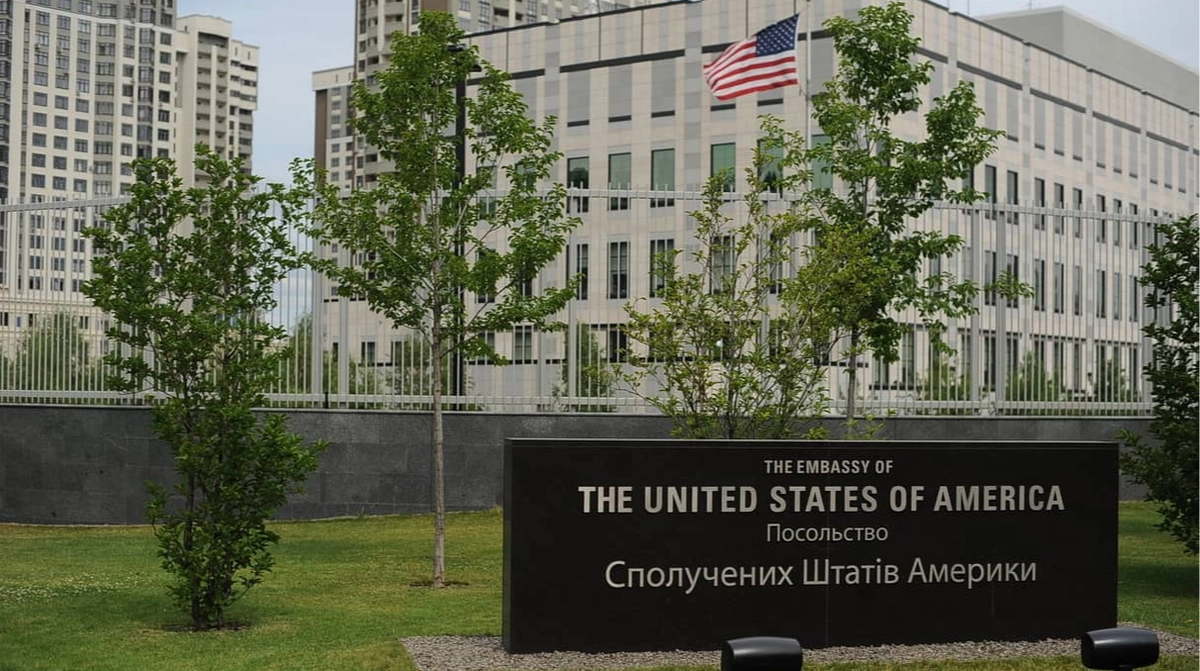
Kaja Kallas said the U.S. Embassy was the only diplomatic mission to leave Ukraine amid Russia's latest threats, but Ukraine's Foreign Ministry directly denied the claim, stating the U.S. Embassy has not left. The piece underscores heightened geopolitical tension and ongoing Russian disinformation around the Baltic states. Market impact is limited, as the article is primarily a factual correction rather than a new escalation event.
This is less about a literal embassy move and more about the market pricing of escalation credibility. When diplomatic presence becomes a signaling device, the immediate beneficiary is the defense/security complex: every headline that implies thinning Western resolve increases the probability of higher European defense outlays, faster munitions procurement, and more urgency around air-defense and ISR replenishment. The second-order effect is not just on prime contractors, but on the supply chain for propellants, fuzes, batteries, optics, and transport—areas where lead times are already long and incremental demand can translate into outsized margin leverage. The sharper implication is for Europe’s internal political risk premium. If Washington is perceived as stepping back, even temporarily, it forces European governments to hedge with more autonomous procurement and stockpiling, which is supportive for domestic defense names but mildly negative for broader cyclicals if fiscal room gets crowded out. In practice, this kind of headline tends to tighten spreads in Eastern European sovereigns and keep energy-security trades bid, especially where infrastructure hardening and grid resilience are tied to wartime contingency planning. The contrarian miss is that misinformation and correction can cancel quickly, but capital allocation does not. Even if the specific claim is false, the episode reinforces an environment where institutional decision-makers assume higher tail risk for months, not days. That means the market impact is likely to show up less in immediate FX or equity gaps and more in persistent multiple support for defense, cyber, and critical infrastructure names as procurement cycles get pulled forward.
AI-powered research, real-time alerts, and portfolio analytics for institutional investors.
Overall Sentiment
neutral
Sentiment Score
-0.05
