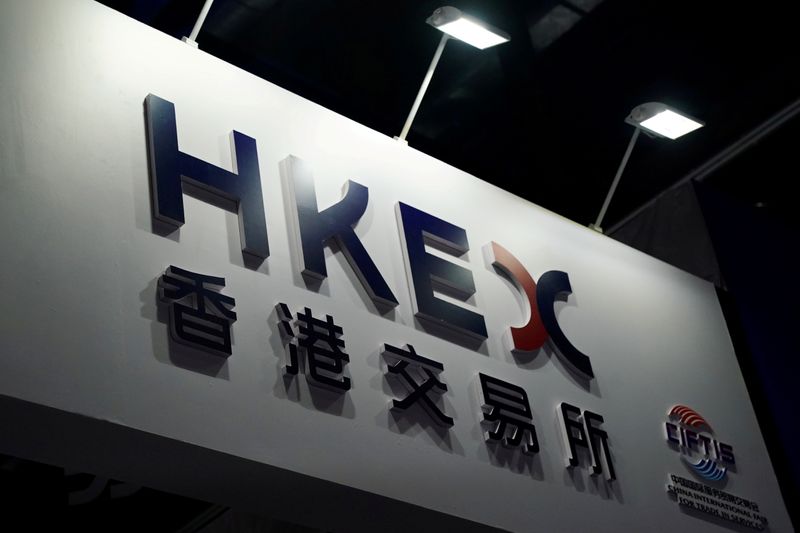
Hong Kong equity capital markets raised nearly $44 billion in the first half of 2026, the highest in five years, up 29% year over year and driven largely by AI-related listings and placements. CATL, Victory Giant Technology, and other AI supply-chain companies are powering the fundraising surge despite a 12% drop in the Hang Seng and tighter Beijing regulations. The strength in Hong Kong contrasts with weaker Indian share sales, which fell 32% to just over $14 billion.
This is less a broad Hong Kong beta story than a narrow monetization window for AI-adjacent supply chain names. When capital is abundant but secondary-market performance is weak, issuers with hard-to-replicate capacity and export-linked demand can raise equity at favorable terms even if their underlying operating leverage is still being priced imperfectly. The second-order winner is not the consumer internet layer, but the picks-and-shovels ecosystem: interconnect, PCB, packaging, memory, and battery components with the lowest incremental capex per unit of AI deployment.
The key market implication is that supply chain firms are using public markets to pre-fund an arms race before end-demand visibility catches up. That should extend the duration of the AI capex cycle by reducing balance-sheet constraints, but it also increases the risk of future overcapacity once multiple issuers simultaneously add production. In other words, the near-term trade is positive for equipment and component suppliers; the 6-12 month risk is margin compression if supply growth outruns actual server and accelerator shipments.
For BIDU, the market may be underestimating the signaling value of external funding for the AI stack: a successful capital raise can validate demand for domestic AI infrastructure and lower financing friction for adjacent initiatives. But that is also a warning sign for existing shareholders: if the ecosystem increasingly relies on fresh equity to fund growth, returns on capital could disappoint even if revenue scales. The contrarian read is that the fundraising boom is partly a liquidity event, not just a fundamentals story, which makes late-stage IPO buyers the vulnerable constituency if sentiment reverses.
Geopolitical noise matters mostly through listing discount rates, not near-term operational damage. If regional risk premia widen further, the first-order effect is tighter pricing on follow-on deals and convertibles, which would hit late-cycle issuers more than established leaders. The deeper risk is that any escalation in U.S.-China tension or Beijing regulation could compress exit multiples just as these companies are raising, turning today’s strength into a future overhang for the entire AI supply chain.
AI-powered research, real-time alerts, and portfolio analytics for institutional investors.
Request DemoOverall Sentiment
mildly positive
Sentiment Score
0.35
Ticker Sentiment
