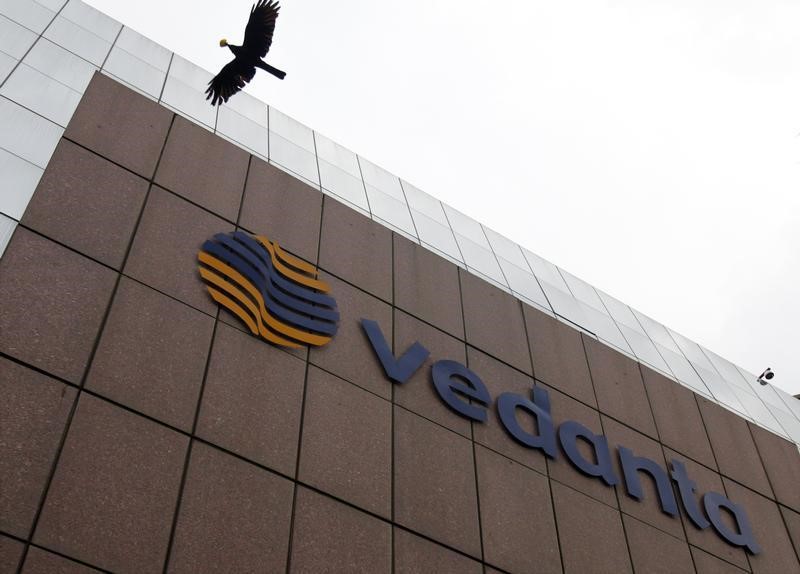
Vedanta reported a record full-year profit of $2.8 billion, up 22% year-on-year, while fourth-quarter profit nearly doubled to $1 billion and revenue rose 15% to nearly $20 billion. The company said its long-planned demerger became effective on May 1, moving into implementation as it splits into five independently managed units. The gains were driven by higher commodity prices, strong aluminium and zinc performance, and improved operating efficiency.
The demerger is less about headline simplification and more about forcing a re-rating of a structurally discounted capital stack. Conglomerate discounts in India tend to persist until investors can underwrite segment-level cash flow, governance, and leverage; separating metals, energy, and upstream hydrocarbon assets should narrow that discount over the next 6-18 months if execution stays clean. The highest beta beneficiary is likely the metals segment, where operating leverage to commodity prices is strongest and where a cleaner equity story can attract domestic passive flows and sector specialists.
The bigger second-order effect is capital allocation discipline. Once the businesses are ring-fenced, weak-cash-flow units can no longer quietly absorb balance-sheet capacity from stronger ones, which should pressure management teams to prioritize ROIC and dividend policy. That is bullish for minority shareholders over time, but it also raises the probability of short-term friction: higher reported leverage at the standalone units, more visible capex funding gaps, and potentially lower cross-subsidy for the weaker businesses.
Commodity exposure remains the swing factor. If industrial metals stay firm, the demerger creates multiple expansion on top of earnings growth; if prices roll over, investors will start valuing each unit on standalone cyclicality rather than “sum-of-parts” optimism, and the re-rating could stall quickly. The market is also likely underestimating the execution risk of converting an announced structure into fungible listed equities — that process can take quarters, and any delay typically compresses the initial enthusiasm.
Contrarian view: the move may be partially priced as a governance unlock already, while the real upside depends on whether the weaker segments can stand on their own without diluting group quality. The setup is better for relative value than outright beta: the best long is the cleaner, higher-quality metals exposure, while the biggest risk is that investors end up with five businesses that trade at separate discounts instead of one conglomerate discount.
AI-powered research, real-time alerts, and portfolio analytics for institutional investors.
Request DemoOverall Sentiment
moderately positive
Sentiment Score
0.68
Ticker Sentiment
