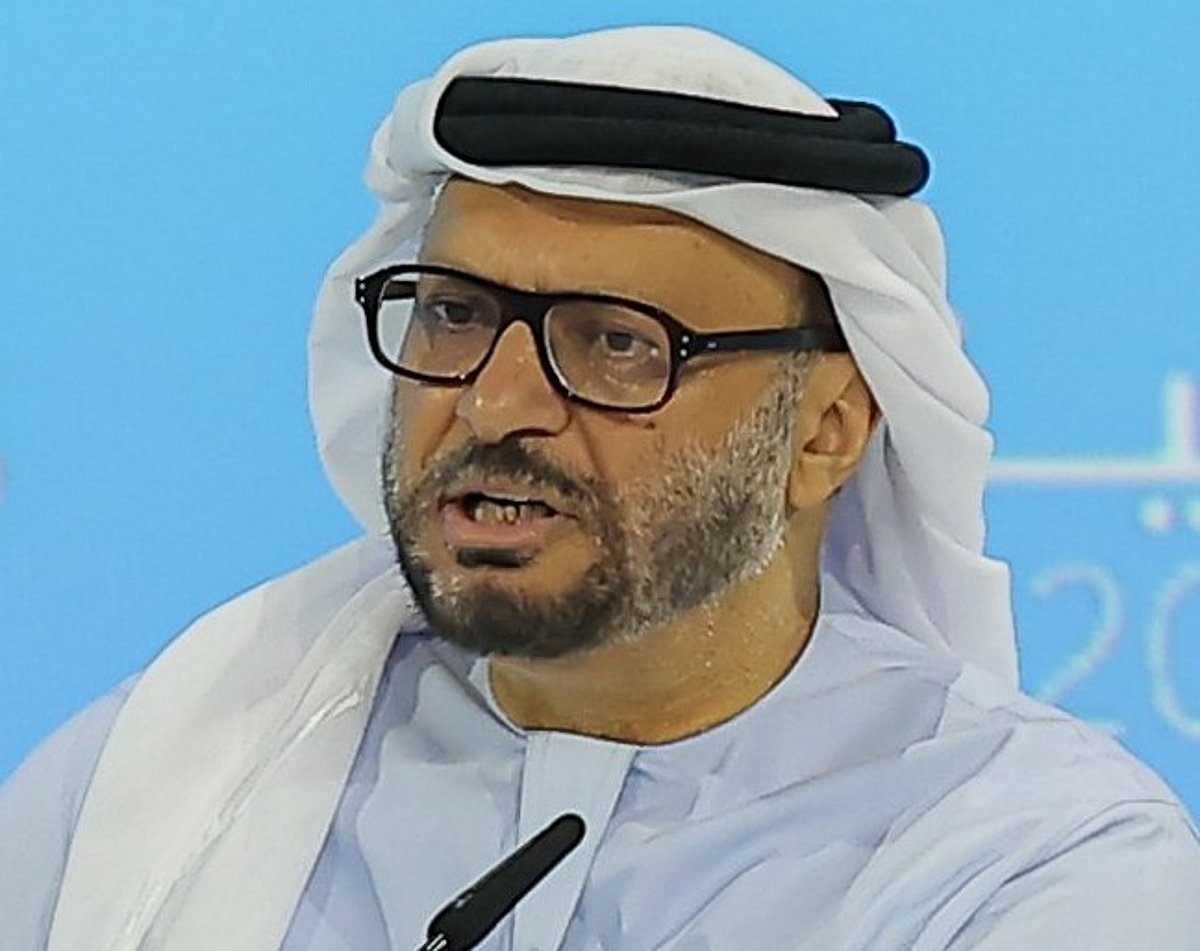
The UAE said relations with Iran cannot return to their previous pace without review, frankness, and firm guarantees, citing the "brutal Iranian aggression" against Gulf countries. Dr. Anwar Gargash framed the Antalya Diplomacy Forum as the first major gathering after the Iranian war, underscoring a reshaped regional political landscape. The message signals continued geopolitical tension and a more defensive posture from the UAE toward Iran.
The market implication is less about headline diplomacy and more about a forced repricing of regional risk premia. When a Gulf state publicly conditions normalization on guarantees, it signals that security externalities are now being treated as balance-sheet items, which should keep sovereign spreads, defense procurement, and strategic infrastructure spending biased higher for months rather than days. The first-order winners are the entities that monetize uncertainty: regional defense primes, missile defense supply chains, maritime security providers, and US/EU systems integrators with Middle East exposure.
The second-order loser set is broader than obvious regional equities. Any asset dependent on lower Gulf geopolitical friction — port throughput, cross-border logistics, project finance for large infrastructure, and select EM credit curves — could face a slower re-risking process because insurers and lenders price this type of language before spot markets do. That means the impact may show up first in funding costs and contractor backlogs, then only later in cash flows, which is why infrastructure names with heavy regional order books deserve more scrutiny than simple commodity proxies.
The key catalyst is whether the rhetoric hardens into policy: if talks stall, expect higher demand for layered air defense, counter-drone, and cyber resilience over the next 1-3 quarters; if de-escalation appears credible, the trade unwinds quickly because these premiums are largely sentiment-driven. The contrarian risk is that the market underestimates how persistent security spending can be after a crisis — even without a fresh escalation, procurement cycles often extend for 12-24 months, making this more durable than a typical headline-driven geopolitical wobble.
AI-powered research, real-time alerts, and portfolio analytics for institutional investors.
Request DemoOverall Sentiment
moderately negative
Sentiment Score
-0.45
From a positioning standpoint, the cleanest expression is to own defense exposure while fading the most leveraged regional recovery stories. The opportunity is not in betting on immediate conflict, but on the longer settlement process that forces governments and corporates to spend more on deterrence, redundancy, and supply-chain hardening before confidence returns.
