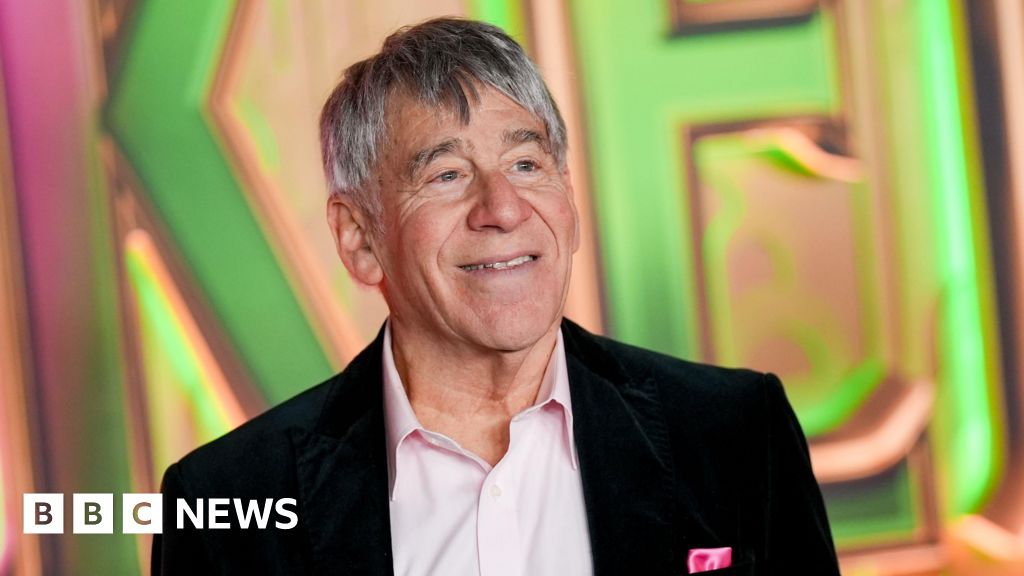
The Kennedy Center's board voted to rename the institution to include President Donald Trump's name and installed new signage, prompting a string of artist cancellations and public disputes with the center's leadership. High-profile composer Stephen Schwartz and groups including The Cookers, Doug Varone and Dancers, and jazz percussionist Chuck Redd have withdrawn or said they will not perform, while the center's president disputes some cancellation reports; legal questions have been raised about whether Congress must approve a name change created by a 1964 law and threats of damages have been made. The episode raises reputational and governance risks for the national cultural institution and could spur legal and legislative scrutiny, though it is unlikely to have material market-moving financial effects.
Market structure: Direct losers are incumbent cultural venues and local DC hospitality tied to large galas (estimate 1–3% near‑term revenue risk for downtown DC hotels like HST and convention-driven vendors); direct winners are niche streaming/content plays (DIS, NFLX) and politically aligned donors/sponsors who may increase funding. Promoters and box‑office dependent issuers (LYV, MSGE) face concentrated reputational risk in a handful of marquee venues; expect localized pricing pressure on premium seats and catering/venue concessions down 2–5% if cancellations cascade.
Risk assessment: Tail risks include a congressional injunction forcing a name reversal (legal risk 5–15% probability over 3–12 months) or a broader artist/sponsor exodus producing >5% EBIT hit for venue operators. Immediate (days) risk is PR volatility and ticket cancellations; short term (weeks–months) risk is sponsor withdrawal and contract disputes; long term (quarters+) is governance and donor base realignment. Hidden dependency: many venue sponsorships have morality/PR clauses — triggers may accelerate cancellations unexpectedly.
Trade implications: Tactical trades: (1) small short in MSGE and LYV sized 1–2% NAV for 30–90 days; (2) pair trade long DIS (1.5% NAV) vs short MSGE (1.5%) as relative beneficiary of content/streaming spend shift. Options: buy 3‑month MSGE 5–10% OTM put spreads sized to risk 0.5–1% NAV and purchase 60–90 day LYV 5% OTM puts if cancellations exceed 5 venues. Rotate 1–3% exposure away from regional hotel REITs with >10% D.C. revenue concentration (e.g., HST).
Contrarian angles: Consensus overstates system risk — historical artist boycotts rarely reprice large promoters beyond single‑digit moves; use a buy trigger if MSGE or LYV drop >7–10% on headlines alone. Also consider the upside: aligned donor inflows could neutralize lost box office within 6–12 months, creating an asymmetric rebound. Monitor legal filings and sponsor terminations — if none appear in 30–60 days, cover shorts and scale into longs.
AI-powered research, real-time alerts, and portfolio analytics for institutional investors.
Request DemoOverall Sentiment
mildly negative
Sentiment Score
-0.25
