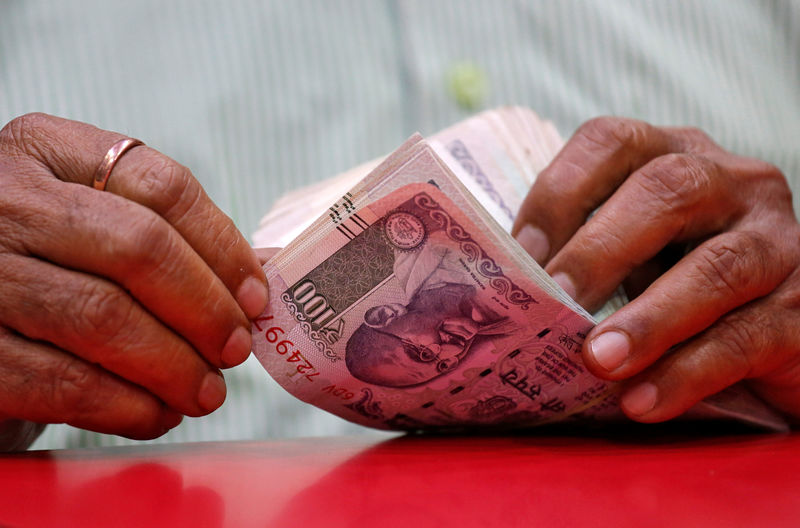
The U.S. Dollar Index fell 0.2% to 99.52 as a U.S.-Iran interim peace accord eased inflation fears and pushed Brent crude and bond yields lower. The euro and pound hit more than one-week highs, while traders priced Fed hike odds at 49% by December, down from 69% a week ago. Markets are now focused on this week's central bank decisions, including the Fed, BoJ, SNB, and RBA.
The immediate market read-through is not just a weaker dollar; it is a repricing of the entire inflation path. If the energy shock is defused, nominal yields can stay pinned even if growth data soften, which is a constructive setup for duration-sensitive assets and non-U.S. currencies. The biggest second-order winner is Europe: lower imported energy acts like a terms-of-trade tailwind, and that improves the earnings visibility of cyclicals and domestic demand names that had been priced with a persistent energy-tax discount.
The more interesting effect is on positioning, not just fundamentals. The dollar’s wartime premium had been supporting crowded long USD and defensive hedges; unwinding that can accelerate in a low-liquidity window ahead of central banks, forcing systematic funds to de-gross. If Fed rhetoric confirms no urgency to re-tighten, the market can continue shifting from inflation hedges into rate-sensitive beta, while Japan’s policy normalization adds a second leg of yen support through widening relative policy credibility.
The contrarian risk is that this becomes a reflexive relief rally rather than a durable regime change. If implementation of the accord stalls, or if shipping/security disruptions persist even without open conflict, oil can rebound faster than FX markets expect, snapping back the inflation narrative in days rather than months. Also, a materially stronger euro and pound could tighten financial conditions just as central banks turn cautious, so the move is vulnerable if growth data deteriorate after the initial risk-on squeeze.
AI-powered research, real-time alerts, and portfolio analytics for institutional investors.
Overall Sentiment
mildly positive
Sentiment Score
0.35
Ticker Sentiment
