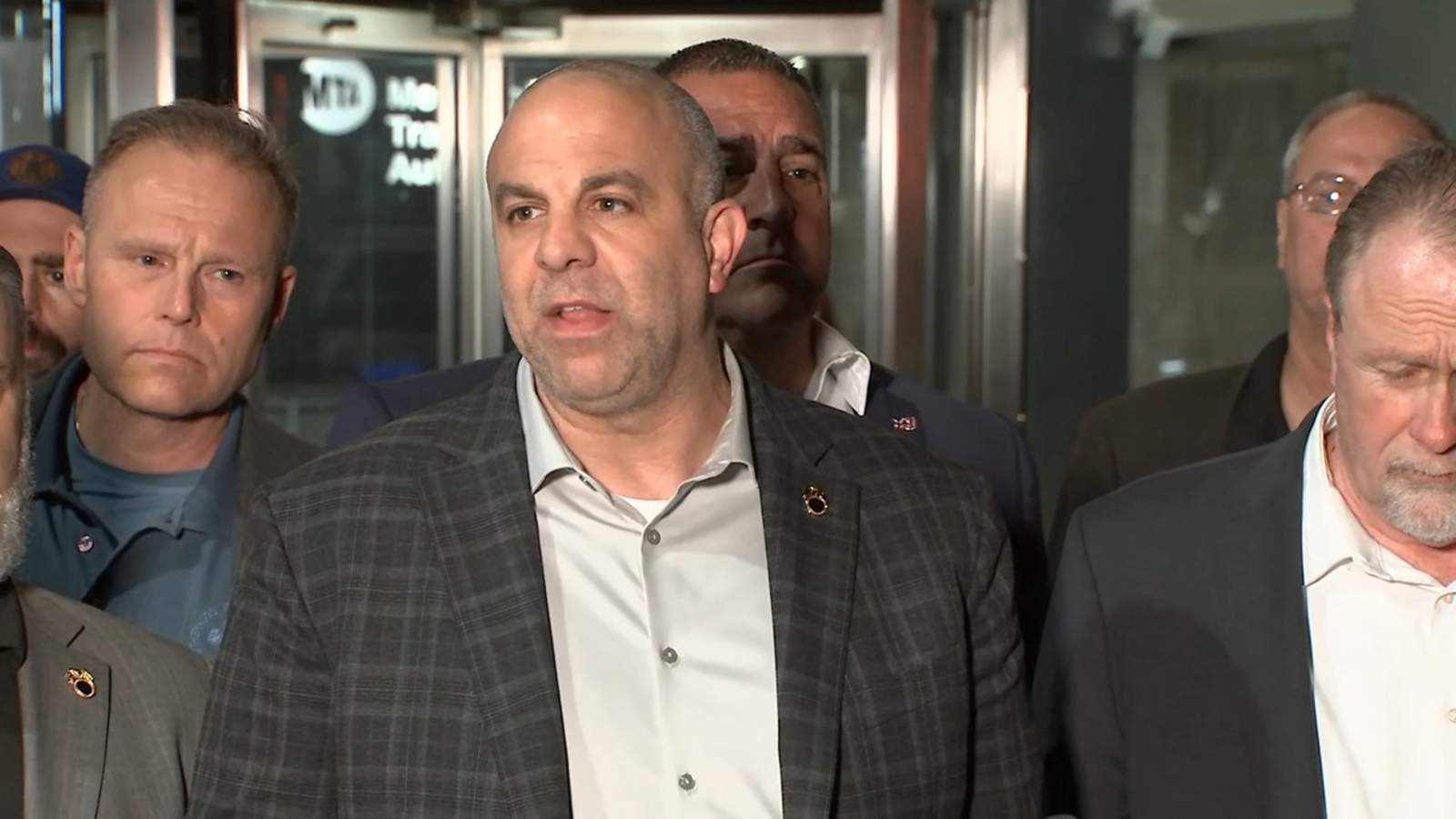
Long Island Rail Road workers went on strike after missing the 12:01 a.m. contract deadline with the MTA, shutting down the nation's largest commuter rail system. The strike affects roughly 250,000 daily riders, forcing alternate commuting arrangements and likely increasing highway congestion. The dispute centers on a 16% four-year wage demand versus the MTA's offer of at least 9.5% over three years plus an effective 4.5% in year four.
The immediate market read is not just transit disruption; it is a short-duration tax on regional labor supply, consumer spending, and logistics reliability. The biggest second-order effect is that firms with dense Long Island/NYC commuter exposure will see a temporary hit to attendance, overtime expense, and near-term productivity, while rivals with more flexible hybrid work policies or broader geographic footprints gain share at the margin. The longer the stoppage lasts, the more it reinforces behavioral substitution away from rail-dependent commuting, which is structurally negative for the transit operator’s pricing power and bargaining leverage in future negotiations.
For the consumer side, the pressure is asymmetric: lower-income hourly workers and discretionary retailers tied to weekday foot traffic feel the most immediate drag, while grocery, fuel, auto repair, and rideshare-related demand should benefit. A strike of this type also tends to create a small but measurable fuel demand bump and congestion externality, which can widen same-day logistics costs for local delivery fleets. The fiscal implication is important: any settlement that protects wages without offsetting productivity or service changes increases the odds of future fare action or subsidy requests, which keeps the issue alive beyond the strike window.
The key contrarian point is that the market may overestimate the duration risk and underestimate the political incentive to engineer a face-saving compromise once public pain becomes visible. That means the highest-probability equity move is usually not a long-dated bear thesis on the transit authority itself, but a tactical volatility event in names exposed to commuter flow. If service is restored within days, the trade becomes about temporary lost sales, not structural demand destruction; if it drags into weeks, the second-order effects on labor retention and migration to alternative commute patterns become more durable.
AI-powered research, real-time alerts, and portfolio analytics for institutional investors.
Request DemoOverall Sentiment
strongly negative
Sentiment Score
-0.55
Ticker Sentiment
