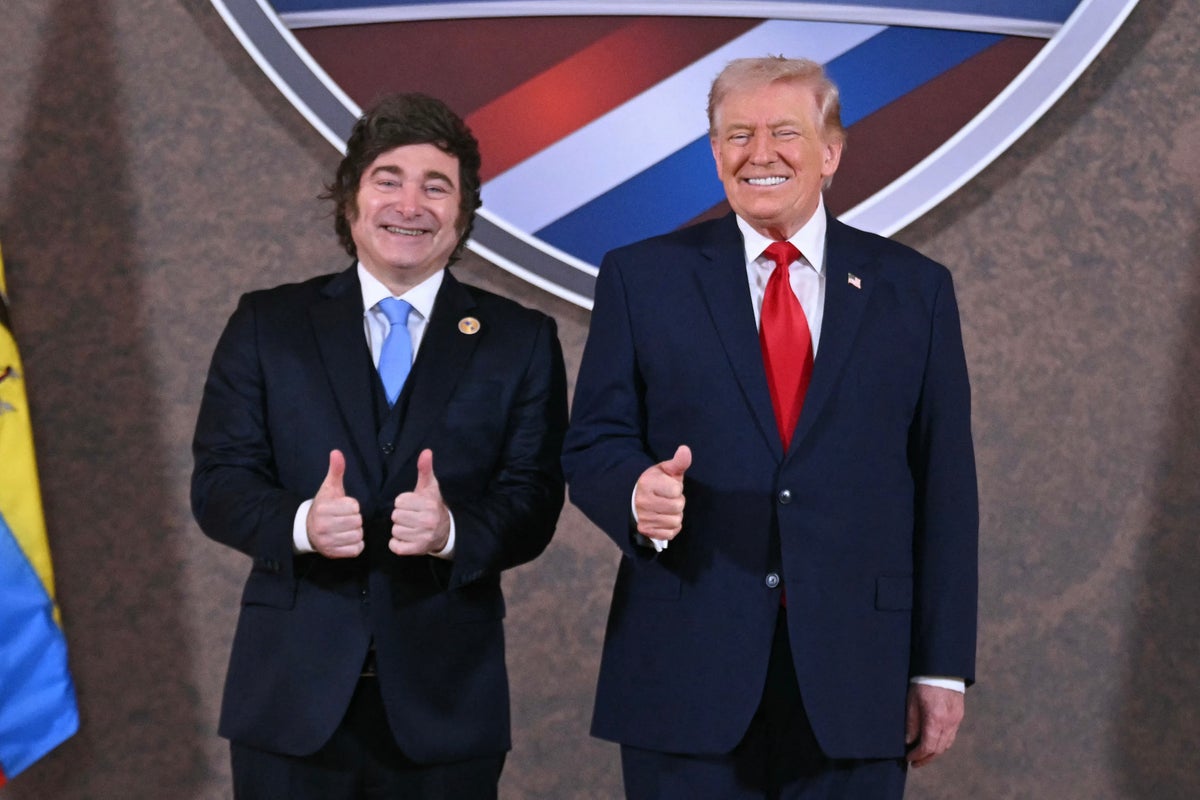
The article reports a potential US review of support for Britain’s sovereignty claim over the Falkland Islands, but says experts see no practical military or legal impact. UK officials reaffirmed that sovereignty rests with the UK and that the islands’ right to self-determination remains paramount. The main implication is further strain in UK-US relations rather than a direct market or security shock.
The market significance is not the Falklands headline itself; it is the signaling value that Washington is willing to weaponize symbolic sovereignty issues to extract concessions from allies. That raises the probability of broader UK-US friction spilling into defense procurement, intelligence cooperation optics, and negotiating leverage on bases, access rights, and burden-sharing — all of which matter far more to UK assets than the islands themselves. In other words, this is a low-probability geopolitical event with a high-likelihood “tone” impact on transatlantic bargaining.
The most exposed second-order channel is UK defense and security spending. If London reads this as a credible downgrade in the special relationship, it has an incentive to accelerate indigenous capabilities and diversify suppliers away from US-only dependencies, especially in ISR, munitions, and maritime surveillance. That is constructive for selected European defense primes and domestic UK defense integrators, while being mildly negative for US contractors that rely on UK procurement flow or joint programs.
Argentina remains a political rather than military variable. The practical threat to the islands is still years away, but the louder sovereignty rhetoric can keep headline risk elevated around South Atlantic shipping, fisheries, and offshore exploration sentiment. The more important catalyst is not Buenos Aires’ capability; it is whether this episode hardens UK policy into a broader “strategic autonomy” posture that re-rates defense budgets upward over the next 6-18 months.
Consensus is likely over-discounting the immediate islands angle and underpricing the broader alliance repricing. If Trump’s rhetoric becomes recurring, the trade becomes less about Falklands and more about the cost of de-risking from the US inside NATO-linked supply chains. That favors a gradual relative-value rotation toward non-US defense beneficiaries, while any temporary dip in UK defense names on noise should be bought if it increases the odds of sustained budget support.
AI-powered research, real-time alerts, and portfolio analytics for institutional investors.
Request TrialOverall Sentiment
mildly negative
Sentiment Score
-0.15
