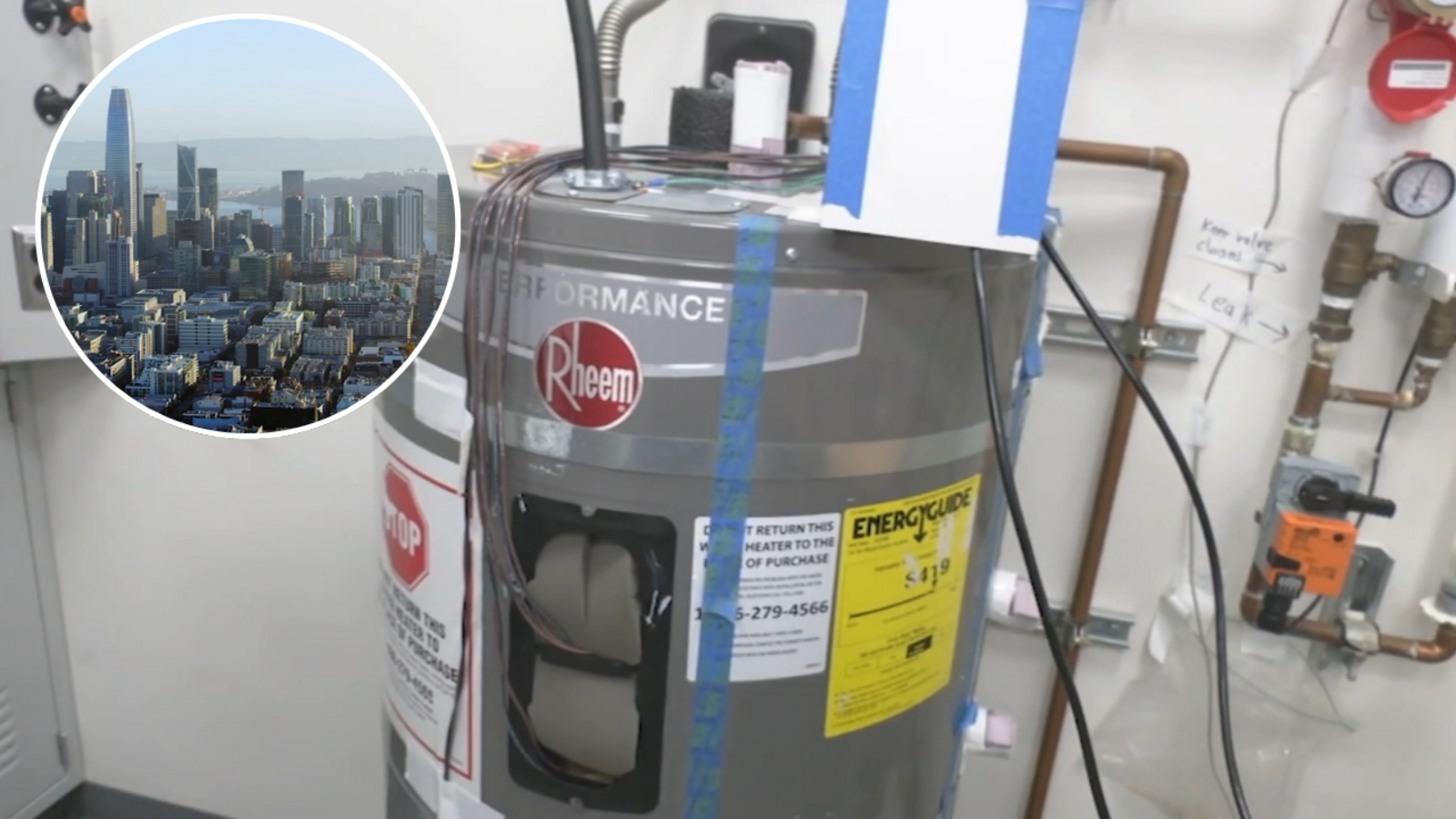
The Bay Area Air District is considering a rule that would require new water heaters and furnaces to be electric between 2027 and 2031, with possible flexibility and exemptions before a final vote later this year. The policy targets nitrogen oxide emissions and is estimated to prevent 37 to 85 premature deaths annually while reducing about 110 new asthma cases, but business groups warn installation and electrical upgrade costs could run into the thousands per household. Rebates and incentives may offset some costs, but the rule could still materially affect residential heating equipment demand and retrofit spending across several Bay Area counties.
The important second-order effect is not the appliance swap itself, but the transfer of demand from gas distribution infrastructure to the electrical stack. If the rule survives intact, the beneficiary set broadens beyond heat-pump OEMs to include panel upgrades, transformers, wiring, controls, and utility interconnect services — the real bottleneck is construction capacity, not appliance availability. That means the revenue ramp likely lands with a lag: policy clarity can re-rate the group now, while actual unit growth may not inflect until 12-24 months later as permitting and contractor backlogs clear.
The biggest loser is the local gas utility ecosystem, but the P&L hit will likely be gradual rather than abrupt because replacement-trigger rules cap near-term churn. The more immediate financial pressure is on homeowners, small landlords, and small commercial property owners facing bundled retrofit costs, which increases default risk at the margin in lower-income housing stock and could slow transaction velocity in older homes. That creates a subtle headwind for Bay Area housing turnover and any lender with exposure to maintenance-intensive property portfolios.
Contrarianly, the market may be overestimating the speed of electrification and underestimating exemption creep. These rules often get softened in implementation via delays, hardship carve-outs, and phased compliance for multifamily and small-business segments, which compresses the near-term ESG beta while preserving the headline policy benefit. The cleaner trade is to own the enablers with secular backlog and short the entities most exposed to stranded gas throughput, but only on legislative confirmation because the policy can still be diluted enough to make the first-leg move a fade.
Healthcare is the hidden beneficiary over a multi-year horizon: reducing NOx exposure should lower asthma incidence and acute respiratory utilization, supporting select med-tech and respiratory-care names at the margin, but this is too diffuse for a clean single-name trade today. The higher-probability catalyst is a utility-capex cycle: once compliance dates harden, demand should show up first in electrical equipment and residential retrofit service providers, then in broader municipal permitting backlogs and labor inflation.
AI-powered research, real-time alerts, and portfolio analytics for institutional investors.
Request DemoOverall Sentiment
neutral
Sentiment Score
-0.05
