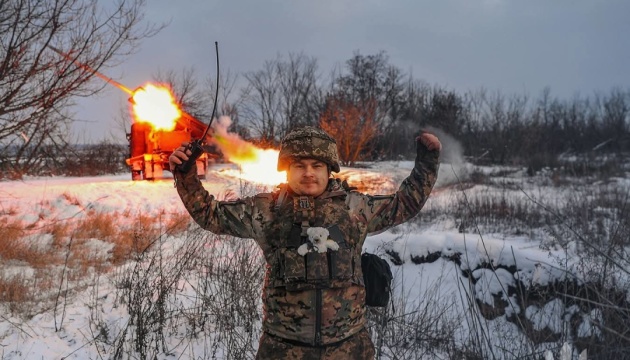
Ukraine’s commander-in-chief Oleksandr Syrskyi reported that since the end of January the Air Assault Forces and adjacent units have retaken roughly 400 km² and eight settlements in the Oleksandrivka sector, while warning the front remains contested with enemy infiltration, artillery, UAVs and armored vehicles. Syrskyi emphasized operational priorities—logistics, medical evacuation, uninterrupted ammunition supply and technical support—and praised the 82nd and 95th Air Assault Brigades. The progress, corroborated by President Zelensky’s recent comment on southern gains, is a tactically positive development that may modestly affect defense-sector sentiment, but operational constraints and ongoing pressure imply continued volatility and limited near-term market impact.
Market structure: Successful Ukrainian gains (400 km², eight settlements) raise probability of sustained Western military and logistical support, favoring large defense primes (LMT, NOC, RTX, GD) and defense ETFs (ITA). Restored control of southern corridors implies incremental normalization of Black Sea exports over 1–3 quarters, exerting downward pressure on wheat (WEAT) and some freight premiums but increasing demand for reconstruction, engineering and transport contractors over 2–4 quarters.
Risk assessment: Tail risks include rapid escalation (strategic strikes, expanded mobilization or energy chokepoint attacks) that would spike oil >15% and safe-haven assets in days; conversely stalled Western funding (Congress/UK parliaments) within 30–90 days would compress defense re-rating. Hidden dependencies: timing and size of US/EU aid tranches, logistics bottlenecks (ammunition supply lines) and winter/spring weather windows that drive operational tempo and markets.
Trade implications: Tactical bias: overweight large-cap defense for 3–12 months via equities and 3–6 month call spreads; hedge with modest long gold or VIX if signs of escalation appear. Agricultural and freight plays: consider small short positions in wheat (WEAT) or agricultural commodity futures with 6–12 month horizon if UN/Western-brokered unblockade milestones occur; favor select engineering/port-construction names for multi-quarter reconstruction exposure.
Contrarian angles: Consensus assumes persistent risk-premiums in energy/agriculture; that may be overstated if Black Sea export corridors reopen in 2–6 months — this would compress wheat + freight spreads by >10–20%. Conversely, market complacency on political risk (US aid votes) is underestimated; condition trades on legislative triggers (pass/fail) rather than on battlefield headlines.
AI-powered research, real-time alerts, and portfolio analytics for institutional investors.
Request DemoOverall Sentiment
mildly positive
Sentiment Score
0.25
