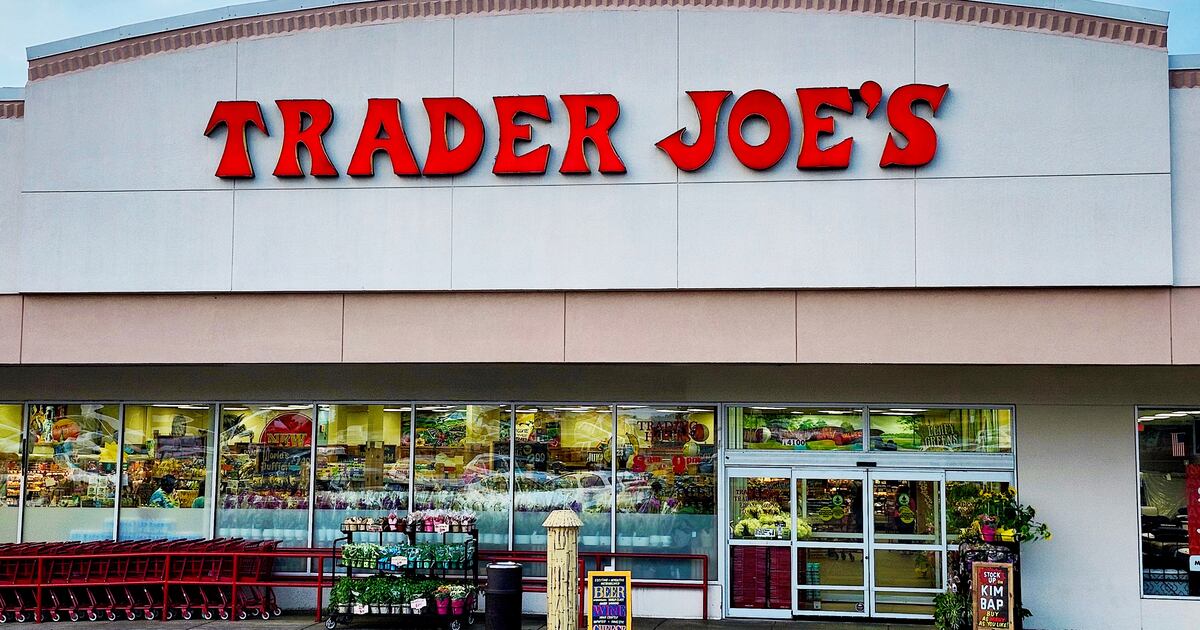
Trader Joe’s has agreed to a $7.4 million settlement over a class action alleging some receipts exposed customers’ credit or debit card information, with eligible claimants potentially receiving about $102.45 each. The settlement covers customers who shopped at affected stores between March 5, 2019 and July 19, 2019, and claims can be filed through June 9. The case is a modest legal and data-privacy headwind for the retailer, but the article suggests no reported identity theft and limited broader market impact.
This is not a retailer-specific earnings event; it is a reminder that small, stale operational controls can create multi-year overhangs with low headline severity but persistent legal and compliance drag. The direct cash cost is immaterial for a company of this scale, but the second-order effect is higher process friction: tighter receipt-format controls, more compliance review, and incremental SG&A that compounds across the broader grocery sector as peers audit POS systems and privacy practices. The real benefit accrues to vendors of compliance software, payment security, and POS modernization rather than to any consumer-facing retailer.
The market should treat this as a low-probability, low-magnitude brand issue unless it metastasizes into evidence of broader data handling failures. The key catalyst is not the settlement itself but whether plaintiffs’ firms use it to pressure other chains with similar legacy receipt logic; that can turn a one-off nuisance into a sector-wide compliance cycle over the next 6–12 months. Consumer demand impact is likely de minimis absent evidence of actual theft, but reputational noise can still matter in a category where trust and convenience drive repeat behavior.
The contrarian view is that the overreaction risk is small: consumers do not typically switch grocery habits over abstract privacy concerns, especially when the claimed harm is not demonstrated. If anything, this reinforces the advantage of larger chains with better systems and more disciplined back-office investment, while smaller regional operators with weaker tech stacks face proportionally higher litigation risk. The settlement also suggests management would rather cap uncertainty than litigate, which usually lowers tail risk for equity holders.
AI-powered research, real-time alerts, and portfolio analytics for institutional investors.
Request DemoOverall Sentiment
mildly negative
Sentiment Score
-0.15
For investors, the cleaner expression is through infrastructure and security names that monetize compliance spend, not through direct retail shorts. Any selloff in grocery names tied to this headline should be faded unless it is accompanied by evidence of broader data-privacy remediation costs or customer churn.
