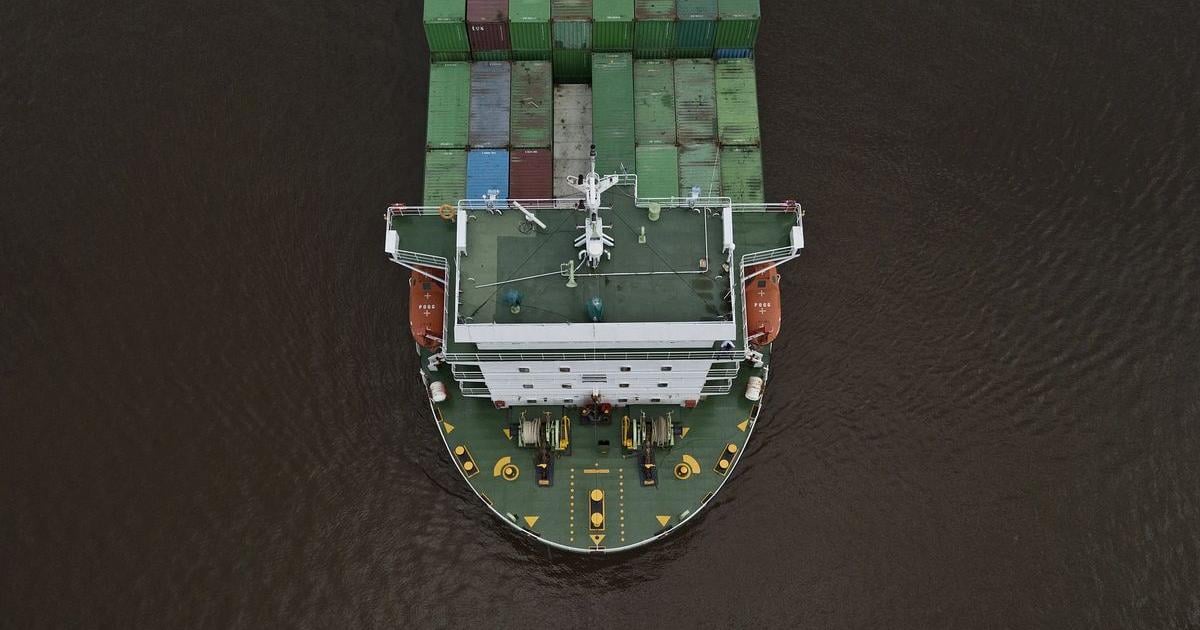
Japan imports ~95% of its oil from the Strait of Hormuz (China ~90%, South Korea ~35%, U.S. <1%), highlighting high regional energy exposure. France, Germany, Italy, Japan, the Netherlands and the UK issued a joint condemnation of Iranian attacks on commercial vessels and signaled readiness to help secure the strait while the IEA authorized a coordinated release of strategic petroleum reserves. Expect elevated oil-price volatility and potential supply-chain disruptions for shipping and energy markets until security and safe-passage assurances are concrete. Geopolitical risk to energy supply is driving a risk-off tone that could pressure energy-sector assets and related logistics stocks.
The most immediate economic lever is shipping friction: if the Strait remains intermittently closed, marginal voyage times for VLCC/Suezmax routes to East Asia rise by roughly 10–14 days, increasing tanker days-in-use by ~15–25% and mechanically boosting spot freight and storage demand. That creates a short-term contango-friendly environment where owners capture outsized cash-on-cash returns (time-charter equivalents can double at peak dislocation) while refiners/importers face elevated landed costs that compress margins in regions without spare refinery throughput.
A second-order beneficiary is the security and insurance complex: prolonged disruption pushes P&I and war-risk premia materially higher and accelerates governments’ push for regional burden-sharing and domestic stockpile agreements. Expect accelerated long-term contracting between Gulf producers and East Asian buyers (long-term cargo swaps, destination flexibility clauses) that lock supply flows away from spot markets and favor FTAs/long-term offtake — a structural hit to short-term traders but a boost to integrated producers with sticky contracts.
Political dynamics create asymmetric reversibility: tactical releases from SPRs and a coordinated naval deployment by non-US navies can cap price moves within weeks, while procurement cycles and tanker fleet supply dynamics operate on quarters-to-years. That implies two investable windows — a fast, high-gamma trade on energy/shipping over days–weeks, and a slower, lower-beta rotation into defense/shipping assets over 3–18 months if regional burden-sharing and military procurement accelerate.
AI-powered research, real-time alerts, and portfolio analytics for institutional investors.
Request DemoOverall Sentiment
mildly negative
Sentiment Score
-0.25
