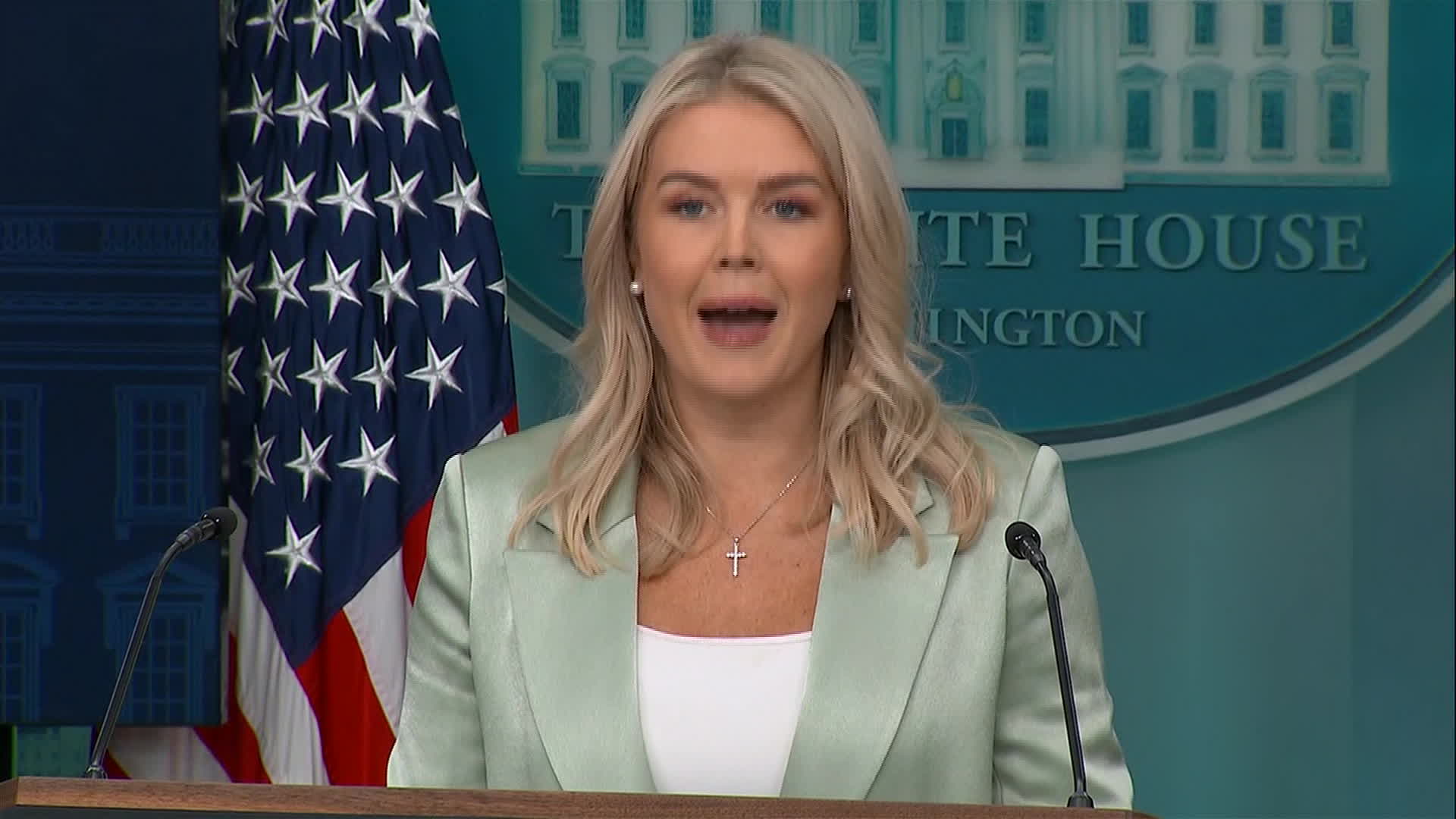
The White House stated that Israel's unilateral attack on Hamas in Qatar did not advance Israeli or American goals for ending the Middle East conflict. President Trump, viewing Qatar as a strong U.S. ally, expressed significant concern regarding the attack's location. This incident underscores escalating regional diplomatic friction and potential geopolitical instability, which could affect strategic alliances and energy market dynamics.
The White House's public statement criticizing Israel's unilateral attack in Qatar marks a significant point of diplomatic friction between two key allies. By explicitly stating the action did not advance U.S. or Israeli goals and highlighting President Trump's view of Qatar as a "strong ally," the U.S. administration is signaling a clear divergence from Israeli military strategy. This event introduces a new layer of complexity and uncertainty into Middle East geopolitics, potentially straining the U.S.-Israel relationship while simultaneously reinforcing the strategic importance of Qatar to American interests. The strongly negative sentiment and moderate market impact score underscore that this development is perceived as a destabilizing event, with potential repercussions for regional security alliances and, by extension, stability in a critical energy-exporting nation.
AI-powered research, real-time alerts, and portfolio analytics for institutional investors.
Request DemoOverall Sentiment
strongly negative
Sentiment Score
-0.60
