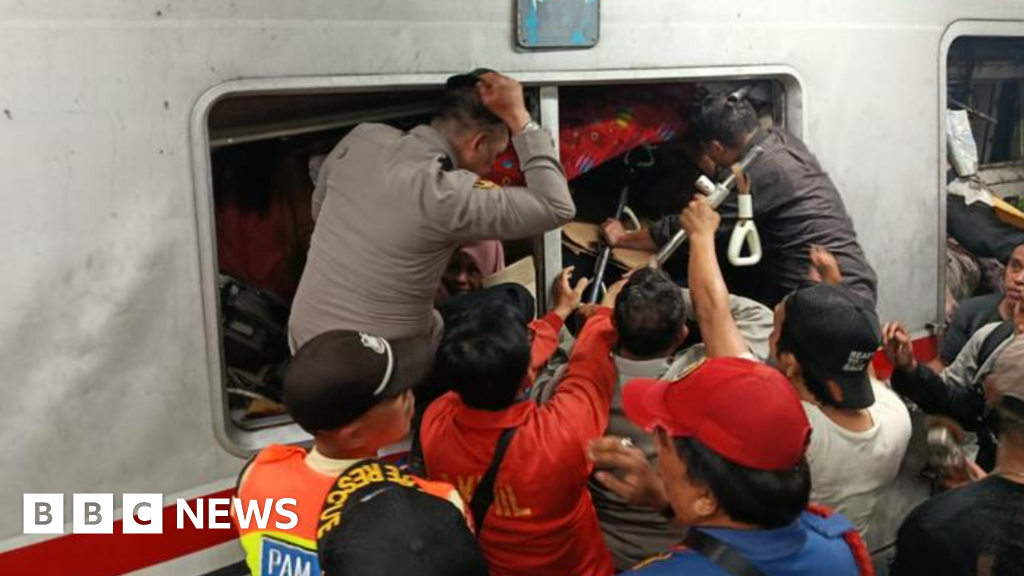
At least four people were killed and 38 others were hospitalized after two trains collided outside Jakarta, with six to seven passengers still reported trapped in the wreckage. The accident underscores persistent safety risks in Indonesia’s public transport network, which has a high accident rate due to ageing infrastructure and poor maintenance. While the human toll is severe, the market impact is likely limited and largely localized.
This is less a one-off headline than a regime signal: a visible failure in a system where accident frequency is already normalized by underinvestment. The immediate equity read-through for KAI is not just reputational damage, but higher scrutiny on operating discipline, insurance, and maintenance capex, which can pressure margins for multiple quarters if regulators force spending before tariff relief is granted. In EM transport names, investors should assume a higher equity risk premium whenever incident frequency collides with weak governance and aging assets.
The second-order effect is political. Large public accidents usually trigger an accelerated inspection cycle, temporary service disruptions, and capex directives that hit throughput before they improve safety, creating a short-term earnings air pocket for rail operators and any adjacent concessionaire exposed to Jakarta commuter flows. If the event results in a broader safety review, the pain can extend beyond this operator into contractors, signaling a possible winners/losers split between capex beneficiaries and operators absorbing the costs.
The market is likely underpricing the duration of the damage. The day-one move is headline-driven, but the real downside window is 1-3 months as liability estimates, regulatory actions, and service interruptions become visible; the catalyst to reverse sentiment would be a rapid, credible remediation plan with externally audited safety upgrades. A contrarian angle is that if the selloff is broad, the best risk/reward may not be outright shorting the operator forever, but fading any overshoot once the policy response becomes explicit and quantified.
From a broader EM infrastructure lens, this can incrementally support names tied to railway signaling, inspection tech, and maintenance contractors, because governments tend to answer public accidents with procurement rather than structural reform. That creates a relative-value spread: operators face margin compression while safety-tech and engineering vendors can see multi-quarter order flow as agencies rush to prove action.
AI-powered research, real-time alerts, and portfolio analytics for institutional investors.
Request DemoOverall Sentiment
strongly negative
Sentiment Score
-0.80
Ticker Sentiment
