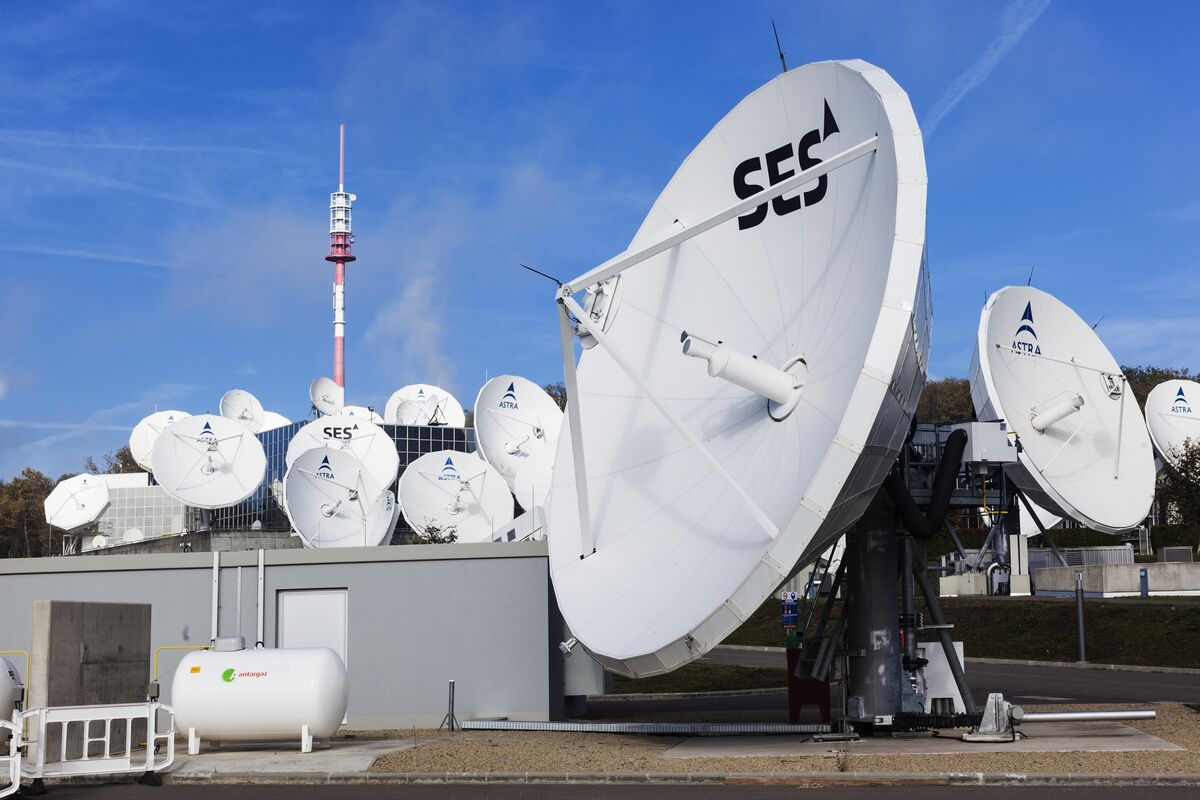
SES SA is seeking about €500m by issuing subordinated perpetual “Space bonds” with automatic conversion events, and has received more than €3bn of bids (>6x oversubscribed). The notes are ranked lower than typical hybrids, signaling higher investor risk, and the deal is aimed at helping SES reclaim an investment‑grade credit rating.
The financing move changes where the next tranche of downside will land: instead of forcing near-term senior creditors or the operating business to absorb stress, losses are now more likely to be absorbed via contingent mechanisms that crystallize when liquidity or equity metrics slip. That shifts the marginal buyer universe from traditional bond funds toward yield-hungry hybrid buyers and changes how rating agencies score net leverage — expect partial equity credit rather than a clean return to investment grade unless operating cash flow strengthens materially.
Competitive dynamics tilt subtly in favor of players with clean balance sheets and optionality. Rivals and niche service providers that can fund incremental capacity or targeted go-to-market pushes (e.g., enterprise broadband or government programs) can pick off higher-margin contracts while the issuer digests financing complexity; equally, satellite manufacturers and launch suppliers face a lumpy capex profile that will compress orders in the near term and spike them later as projects re-phased.
Key risk path: the embedded conversion/contingent features create cliff events — an earnings or cashflow shock could trigger conversion thresholds and cause rapid equity dilution and spread repricing. Calendar catalysts to watch are quarterly cashflow prints, any covenant tests in the next 3–6 months, and rating agency commentary around leverage; a positive revenue cadence or asset-sale announcement could re-rate the complex instruments and tighten senior spreads within 3–12 months.
AI-powered research, real-time alerts, and portfolio analytics for institutional investors.
Request DemoOverall Sentiment
mildly positive
Sentiment Score
0.20
Ticker Sentiment
