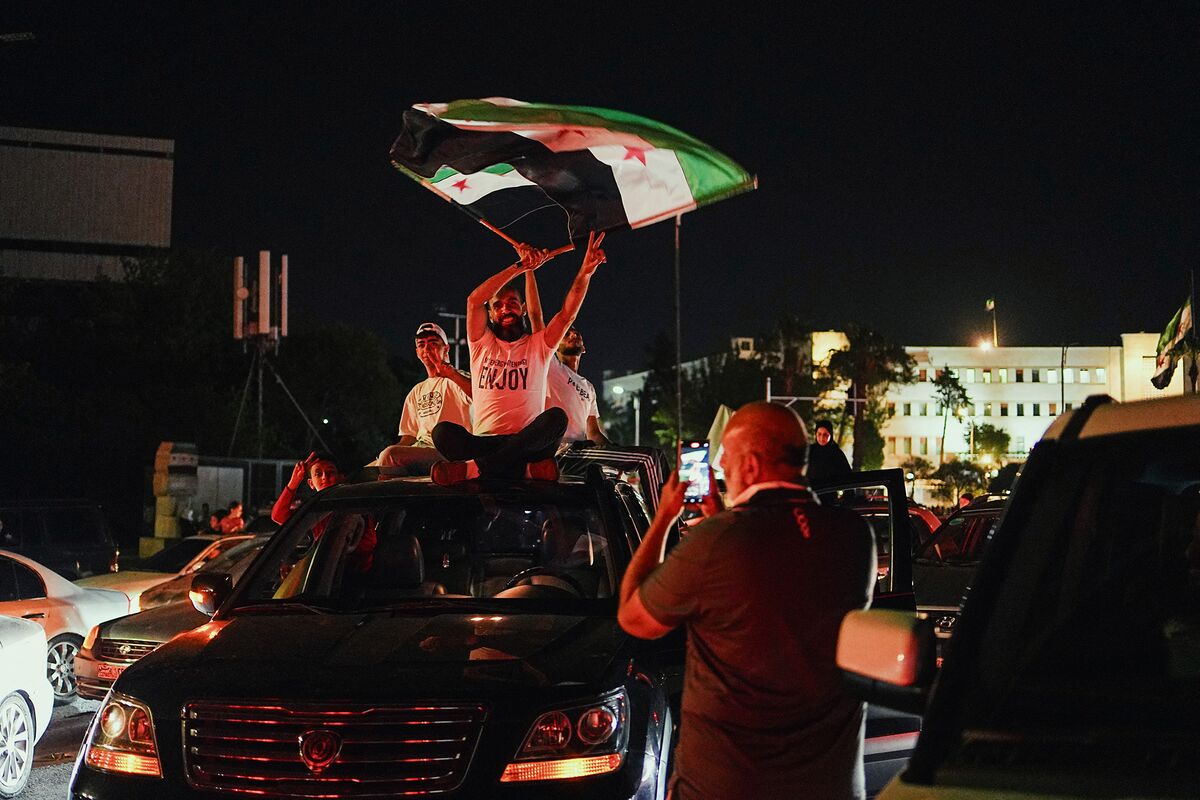
UK Foreign Secretary David Lammy re-established diplomatic relations with Syria on Saturday, marking the first UK ministerial visit to Damascus in 14 years, eight months after the overthrow of Bashar Al-Assad. This normalization of ties with the new leadership under Ahmed Al-Sharaa signals a significant geopolitical shift and potential for Syria's economy, which is seeking reconstruction following the regime change.
The United Kingdom's resumption of diplomatic relations with Syria, marked by the first ministerial visit in 14 years, represents a significant geopolitical development following the overthrow of the Assad regime. This normalization of ties with the new government under Ahmed Al-Sharaa signals a potential shift in Western policy towards the nation. While the immediate market impact is negligible, as reflected by the low impact score, the move is a critical precursor for Syria's potential economic reintegration. The explicit mention of Syria's focus on rebuilding its "battered economy" frames this diplomatic overture as a potential gateway for future foreign investment and aid, which are essential for reconstruction. For investors, this event serves as a key, albeit early, indicator of a changing landscape in a frontier market, although significant instability and risk remain inherent to the post-conflict environment.
AI-powered research, real-time alerts, and portfolio analytics for institutional investors.
Request DemoOverall Sentiment
neutral
Sentiment Score
0.00
