




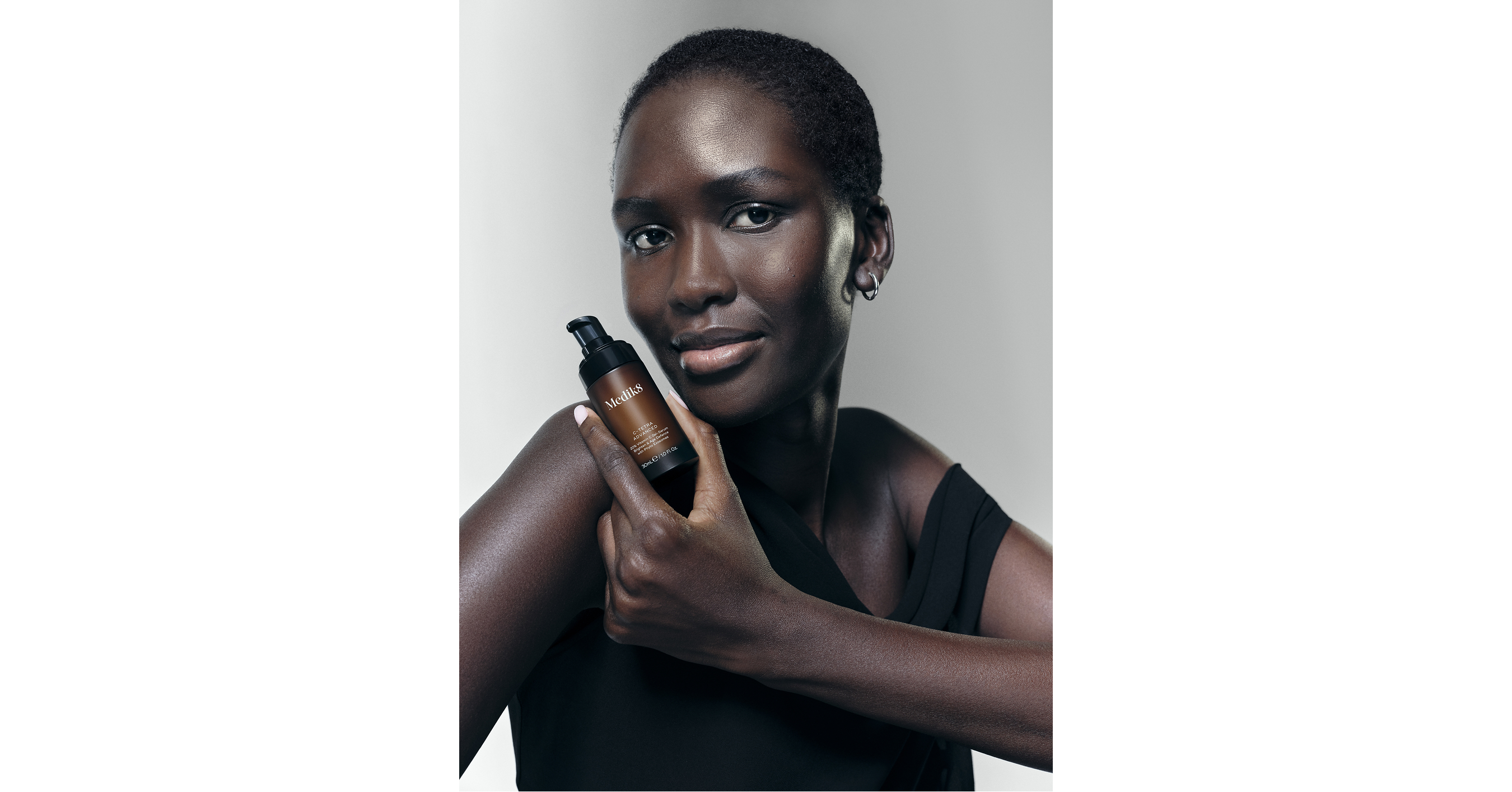
Medik8 will expand across North America via Sephora, launching on Sephora.com in the U.S. on Aug. 11 and rolling out to 250 U.S. stores (completed by Aug. 21), plus full distribution across 147 Sephora locations in Canada with dedicated gondolas in 75 stores. The company targets North American retail sales of over £100M by 2029 and aims to make its Crystal Retinal franchise a leading U.S. driver. The rollout follows L’Oréal’s 2025 majority-stake acquisition, supporting scaled partnership execution; overall this is a positive growth catalyst, though incremental versus market-wide impact.
This is more a channel-validation event than a true fundamental re-rate. The real upside sits with the brand owner’s strategic optionality: if a premium clinical line can scale through a prestige retailer without heavy discounting, it reinforces that “science-led” skincare still has pricing power, which is supportive for the broader premium skin-care shelf and for private-label-style margin protection. The immediate beneficiaries are the retailer’s assortment quality and the owner’s long-duration brand equity; the listed read-through for public comps like EL and ELF is more about shelf-share pressure than any direct revenue hit.
The key second-order issue is competitive allocation inside prestige skincare. If Medik8 gains velocity, it likely comes at the expense of adjacent “clinical” brands rather than broad beauty spend, forcing competitors to respond with more ad spend, seeding, or retailer incentives. That can compress channel economics before it shows up in top-line data. For LRLCY, the margin story depends on whether growth comes with clean sell-through; if this is mostly a sell-in story, the market will eventually discount it as portfolio noise rather than a growth engine.
The contrarian angle is that this may be overread as proof of mass U.S. demand. A prestigious retail launch is not the same as sustainable household penetration, and the bottleneck is often replenishment economics, not awareness. The real catalyst window is 1-3 quarters: watch Sephora ranking data, repeat purchase rates, and any commentary on inventory turns. If the brand does not sustain top-quartile productivity, the narrative reverses quickly and the competitive takeaway becomes that clinical skincare remains crowded rather than structurally expanding.
AI-powered research, real-time alerts, and portfolio analytics for institutional investors.
Request TrialOverall Sentiment
mildly positive
Sentiment Score
0.25
Ticker Sentiment
