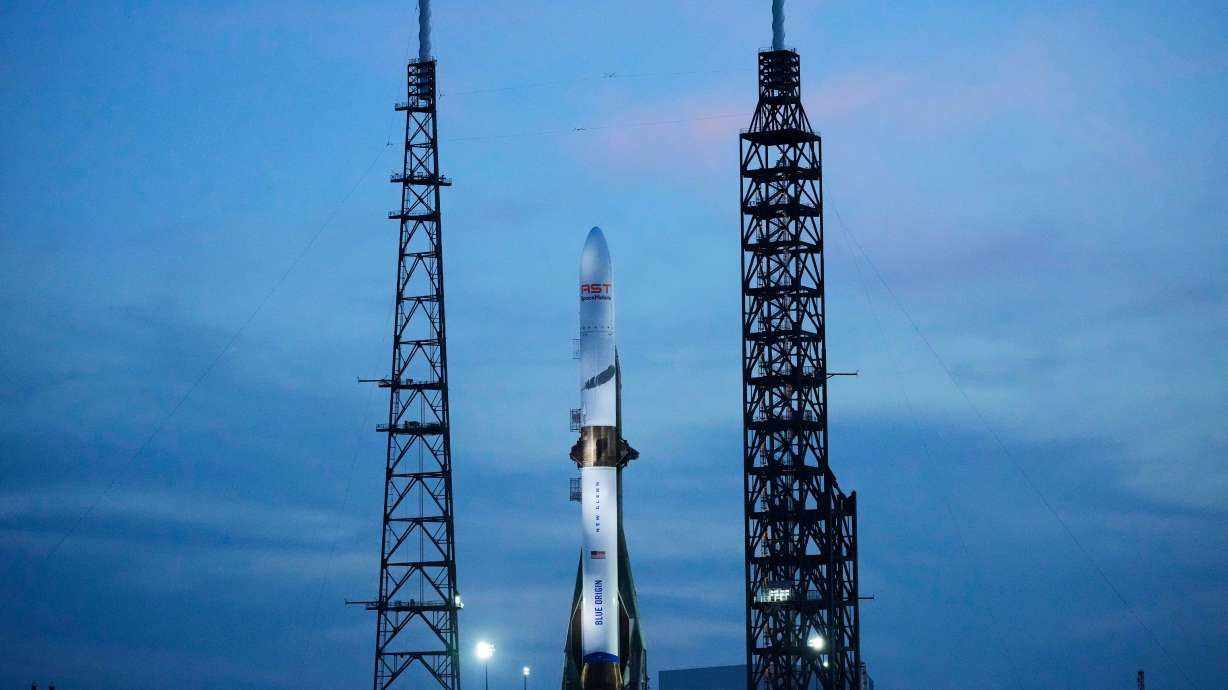
Blue Origin’s New Glenn rocket exploded during an engine-firing test at Cape Canaveral, delaying a planned satellite launch for next week. No injuries were reported, but the mishap follows an earlier engine-failure incident and adds uncertainty to Blue Origin’s moon-launch schedule and NASA-related Artemis work. Jeff Bezos said the company will investigate and rebuild quickly, while officials said other launches at the station are not affected.
This is not just a one-off launch setback; it extends the credibility discount on Blue Origin’s heavy-lift program and increases the probability that customers and NASA treat New Glenn as a schedule-risk asset rather than a reliable lift option. The second-order winner is the rest of the launch market: every incremental delay or stand-down shifts near-term payloads toward providers with operational cadence, and that tends to persist because integration teams re-plan around the most dependable vehicle, not the cheapest one.
The bigger issue is programmatic, not cosmetic. A pad-side explosive failure after earlier engine issues raises the odds of another root-cause investigation that could run from weeks into multiple months if hardware teardown is required, which matters because the company is trying to build confidence just as it transitions from demonstration to commercial manifesting. That makes the Artemis narrative more fragile: even if NASA remains publicly supportive, procurement teams typically hedge by preserving redundancy, which can slow Blue Origin’s capture of future lunar-related work.
For competitors, the near-term beneficiary is the same class of launch providers that can absorb schedule pull-ins without major requalification, especially those already flying government and commercial payloads at high cadence. The less obvious beneficiary is the satellite ecosystem itself: customers with delayed heavy-lift access may accelerate rideshare, multi-launch deployment, or constellation phasing strategies, which improves utilization for incumbents and reduces the pricing power of any single new entrant.
Consensus likely underestimates how quickly this can spill from one vehicle to the broader brand. If the incident is traced to ground-test plumbing, software, or QD interface issues, the fix may be straightforward; if it implicates engine architecture or launch mount integration, the recovery window expands materially and becomes a fiscal 2026 issue rather than a headline-only event. The market should treat this as a negative on schedule visibility, but not yet as evidence that the market structure for lunar or heavy-lift services is impaired.
AI-powered research, real-time alerts, and portfolio analytics for institutional investors.
Request DemoOverall Sentiment
moderately negative
Sentiment Score
-0.35
